How to Choose the Perfect Hiking Route for Your Adventure
Learn how to choose the perfect hiking route with tips on skills, environment, and safety. Make your outdoor adventure unforgettable!
June 27, 2026
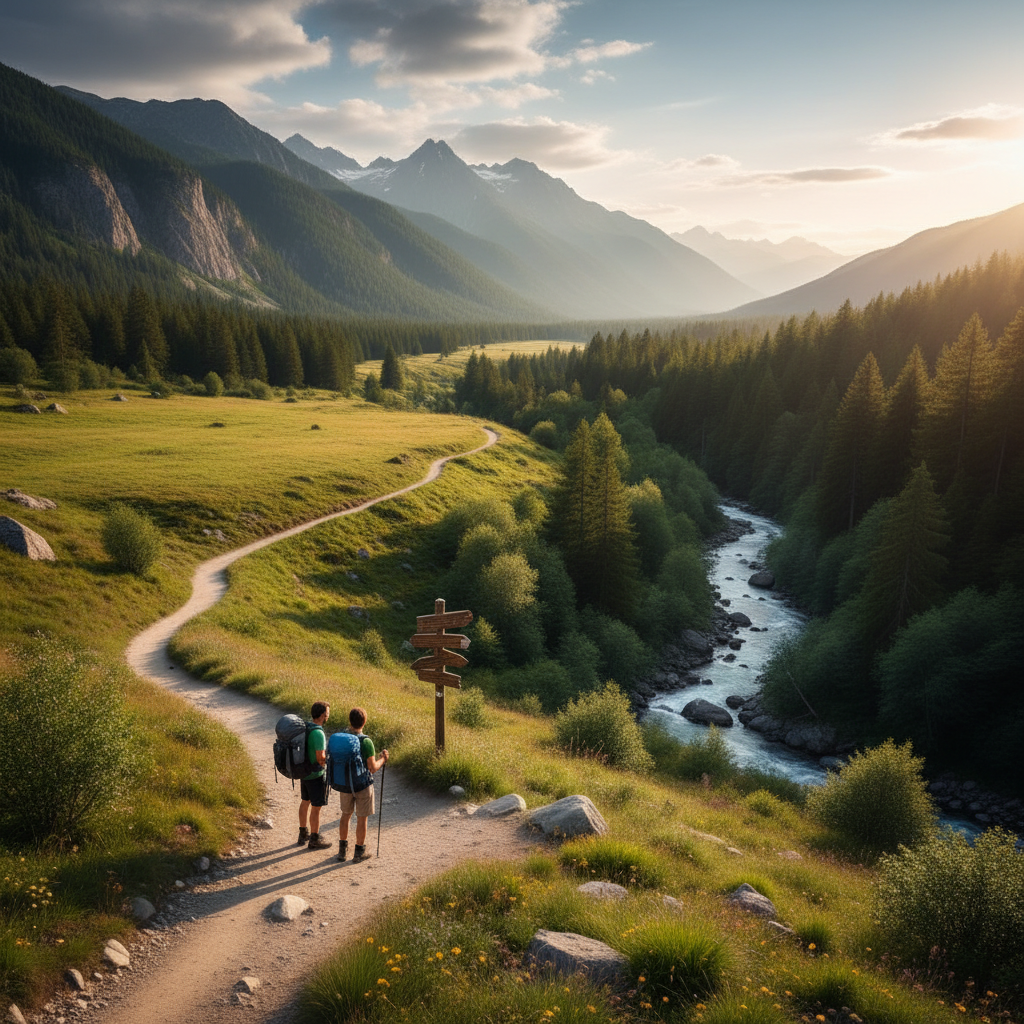
How to Choose the Perfect Hiking Route for Your Adventure
Hiking is one of the most exhilarating ways to explore nature, offering a unique mix of adventure, exercise, and tranquility. Knowing how to choose a hiking route can significantly enhance your outdoor experience. Whether you're a novice or an experienced hiker, selecting the right trail can help ensure a safe and enjoyable journey. In this article, we’ll guide you through the crucial factors to consider when planning your hiking adventure, along with tips and resources to get you started on the right foot.
Understanding Your Hiking Experience Level
Assessing Your Skills
Before diving into route selection, it’s essential to assess your hiking abilities. A beginner might find a flat, well-marked trail appealing, while more seasoned hikers will be drawn to challenging terrains. Honesty is key; acknowledging your skill level can help you avoid potentially dangerous situations.
Setting Realistic Goals
Consider what you want to achieve from your hike. Is it a workout? An escape from the hustle and bustle? Or perhaps a chance to connect with nature? Clearly defining your goals will assist you in choosing a route that aligns with your expectations.
Researching Potential Trails
Online Resources and Apps
Several apps and websites provide comprehensive databases of hiking trails. Resources like AllTrails or Hiking Project offer user-generated reviews, difficulty ratings, and maps. Make sure to filter by distance, skill level, and specific features like scenic views or wildlife spotting.
Local Knowledge
Don’t underestimate the value of local guides or hiking clubs. They can provide first-hand insights regarding trail conditions, seasonal highlights, and hidden gems. Additionally, consider connecting with fellow hikers through The Complete Guide to Hiking in National Parks: Planning, Permits, and Preparation.
Evaluating Trail Difficulty
Understanding the Ratings
Trail difficulty ratings can vary from one source to another. Most hiking websites classify trails as Easy, Moderate, or Difficult. Familiarize yourself with these terminologies and choose based on your fitness level, endurance, and hiking preferences.
Terrain and Elevation Changes
Different trails come with different challenges; rocky paths, steep inclines, or river crossings can all affect difficulty. If you’re unsure of your stamina, utilize resources like How to Read a Topographic Map: Complete Beginner's Guide for Hikers to assess elevation profiles and visualize what lies ahead.
Considering Your Hiking Companions
Group Dynamics
Are you hiking solo, with friends, or family? Assess the fitness levels and comfort zones of everyone involved. If hiking with children, consider routes that include shorter distances and family-friendly amenities. If you're hiking with pets, ensure the trail is pet-friendly and check for additional considerations related to animal behavior and safety.
Specialized Routes
For those seeking specific experiences like bird-watching or wildlife observation, you might check out resources like North American Wildlife Watching Guide: Where to See Bears, Wolves, and Bison. Some trails are designed with specific interests in mind, so identifying these can add depth to your hiking adventure.
Analyzing the Environment
Weather Conditions
Always check the weather forecast before heading out. Conditions can change rapidly in some regions, especially in mountainous areas. Make sure to dress appropriately and carry essential gear, as explained in Wilderness First Aid Essentials: What Every Hiker Must Know.
Seasonal Considerations
Different seasons can drastically alter the road ahead. Spring may offer blooming wildflowers, while fall could provide a colorful landscape. Each season brings about unique challenges and rewards. Use resources from articles like Understanding Wildlife Migration: The Epic Journeys Animals Make Every Year to learn more about the environment at different times of the year.
Navigational Skills
Map Proficiency
Understanding how to navigate effectively is invaluable. Familiarize yourself with trail maps and use guide apps that offer GPS capabilities. Learning basic orienteering skills can be pivotal in ensuring that you stay on track during your hike.
What to Pack
Compile a checklist of hiking essentials—water, snacks, appropriate clothing, maps, and first aid kits. The right preparation can make or break your hiking experience. For tips on family camping trips, refer to How to Plan Your First Family Camping Trip: A Complete Step-by-Step Guide.
Safety Considerations
Leave No Trace Principles
Respecting the environment while enjoying it is crucial. Familiarize yourself with Leave No Trace principles to minimize your impact on nature. You can explore the guidelines in detail in Leave No Trace: The Complete Guide to Responsible Wilderness Travel.
Emergency Preparedness
Always carry a way to communicate and navigate back if things don’t go as planned. Inform someone about your hiking plans, including your expected return time. In the event of emergencies, having knowledge of volunteers actively involved in trail maintenance can also be a lifesaver. You can learn how to contribute through our article on Volunteer Trail Maintenance: How to Give Back to the Trails You Love.
Conclusion
Choosing a hiking route involves thorough research, self-awareness, and an understanding of your environment. By taking the time to evaluate the trails and your own preferences, you can find the perfect adventure that caters to your needs and excitement levels. With the right preparation, your hiking experience will not only be safe, but it will also become a cherished memory for years to come.
FAQs
1. What is the best way to begin choosing a hiking route?
Start by considering your experience level, the types of scenery you want to see, and the physical challenges you're ready to tackle.
2. Should I go solo or with a group?
It depends on your comfort level. Solo hiking offers tranquility, while hiking with a group can provide safety and companionship.
3. How can I know if a trail is suitable for my family?
Research family-friendly trails that offer shorter distances and suitable elevations. Check reviews and hiking websites for feedback from other families.
4. What essential items should I pack for a day hike?
Water, snacks, first aid kit, map, compass, and appropriate clothing are fundamental for any day hike. Also, consider your personal safety and navigation tools.
5. What should I do if I get lost on a hike?
Stay calm and try to retrace your steps. Use your map or GPS app to find your location, and avoid taking new routes until you're sure where you are.
Disclosure: Some links in this article may be affiliate links. If you purchase through them, we may earn a commission at no extra cost to you.