Leave No Trace: The Complete Guide to Responsible Wilderness Travel
Learn how to explore wilderness responsibly with the complete Leave No Trace guide — 7 principles every outdoor adventurer needs to know.
June 2, 2026
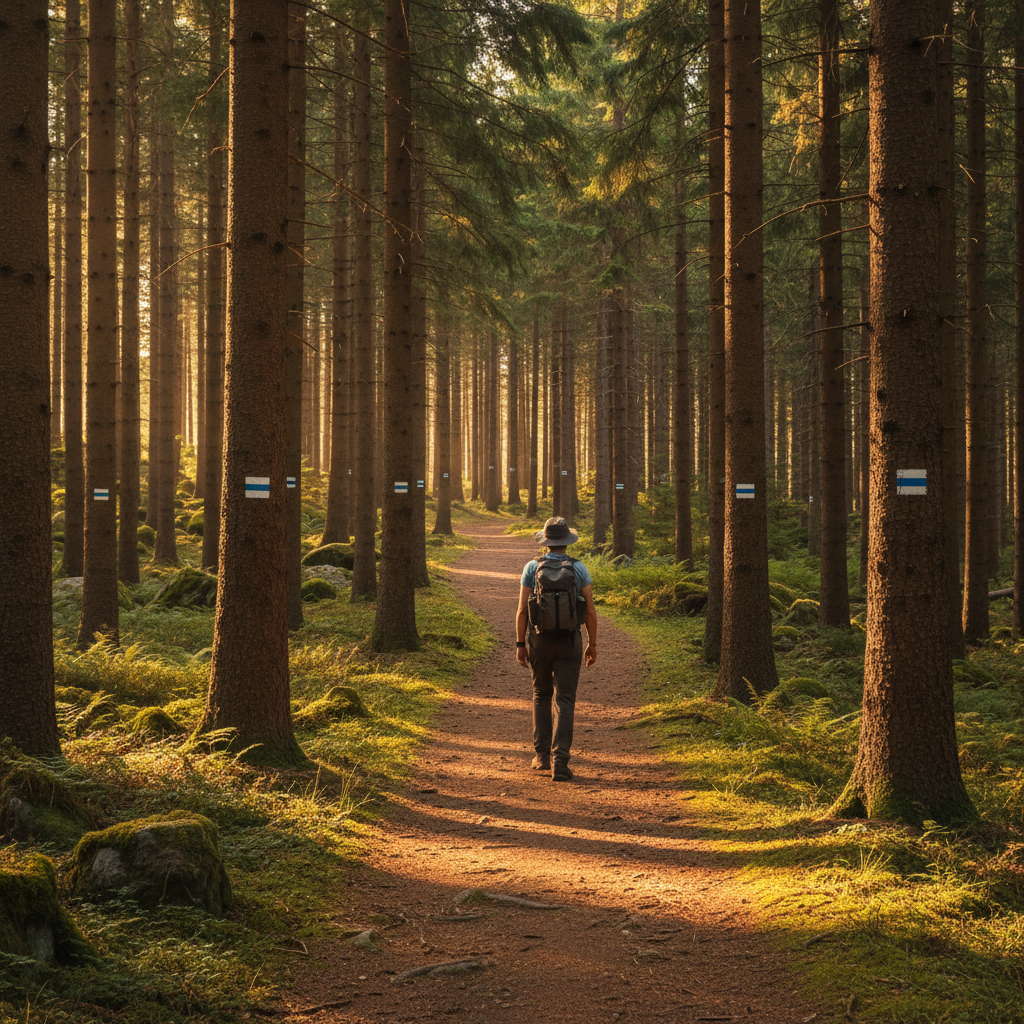
Leave No Trace: The Complete Guide to Responsible Wilderness Travel
Every year, millions of people head into America's wild places — national parks, national forests, wilderness areas, and public lands that belong to all of us. And with that growing number of visitors comes a critical responsibility: to protect the land we love by practicing Leave No Trace principles.
Leave No Trace (LNT) isn't just a catchy phrase. It's a framework of seven core principles developed by the nonprofit Leave No Trace Center for Outdoor Ethics, designed to help outdoor adventurers minimize their impact on natural environments. Whether you're a seasoned thru-hiker or heading out for your very first weekend camping trip, these principles apply to you.
This guide breaks down every principle in plain language, explains why it matters, and gives you practical, actionable steps you can take starting on your very next outing.
Why Leave No Trace Matters More Than Ever
Visitation to national parks and public lands has hit record highs in recent years. When too many people use the same trails and campsites without care, the cumulative damage is severe: soil compaction, trail erosion, contaminated water sources, disturbed wildlife, and the permanent loss of the wild, quiet experience that draws people outdoors in the first place.
The good news? Every single visitor can make a meaningful difference simply by understanding and applying these seven principles.
Principle 1: Plan Ahead and Prepare
Responsible wilderness travel starts before you ever leave the trailhead. Thorough preparation reduces the likelihood of getting into trouble, prevents environmental damage caused by poorly equipped or lost visitors, and ensures you can meet your own needs without depending on emergency services.
What planning ahead looks like:
- Research regulations: Every public land area has rules about group sizes, fire restrictions, camping zones, and permit requirements. Know them before you go.
- Check the forecast: Mountain weather changes rapidly. Being caught unprepared is a safety risk and forces rescues that impact both staff and the landscape.
- Pack the right food: Repackage food to minimize waste. Bring enough for your trip with a little extra in case plans change.
- Know your route: Download offline maps, bring a printed topo map as backup, and share your itinerary with someone at home.
- Choose appropriate group sizes: Most wilderness areas recommend groups of 6–10 people maximum to reduce social and environmental impact.
Principle 2: Travel and Camp on Durable Surfaces
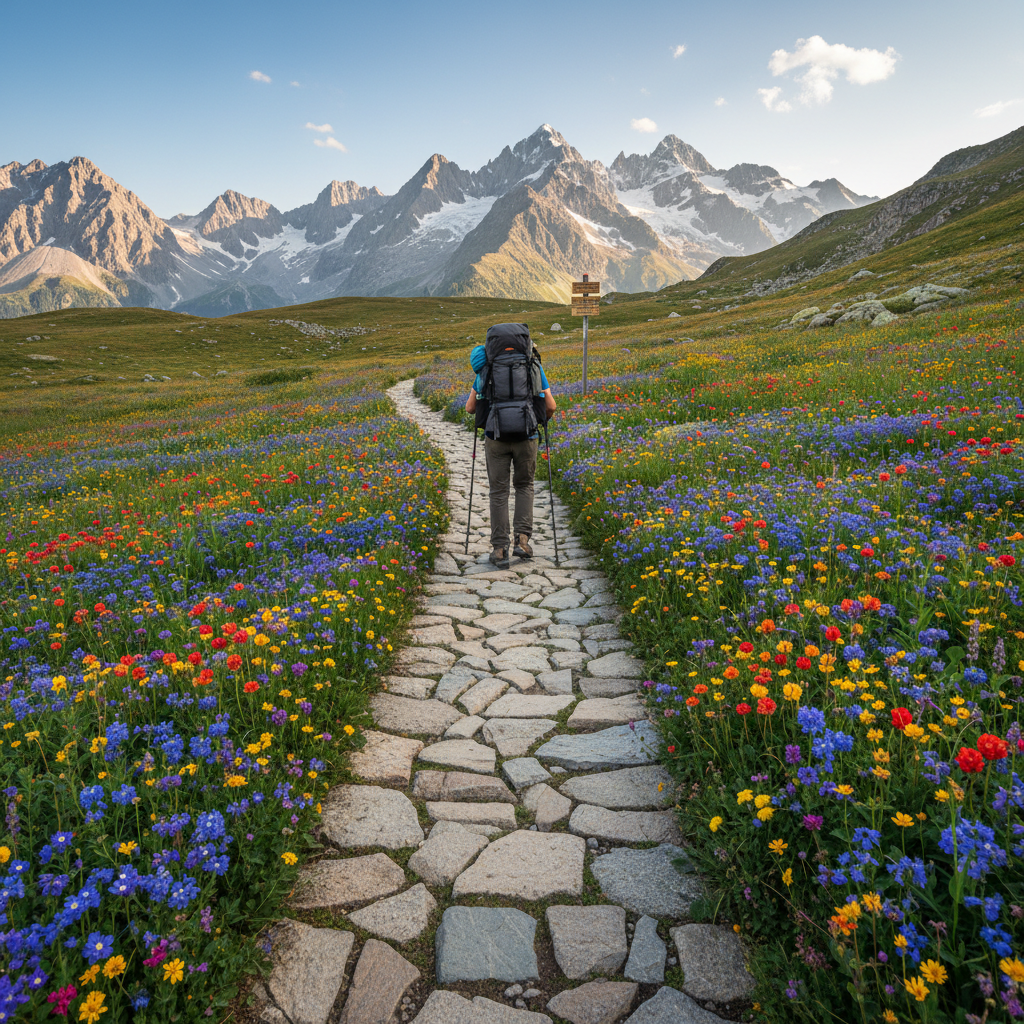
This is the principle most often violated by well-meaning visitors who simply don't realize the damage they're causing. The core idea: stick to surfaces that can handle foot traffic without being permanently damaged.
Durable surfaces include:
- Established trails and paths
- Rock, gravel, sand
- Dry grasses and snow
- Areas of compacted soil
What to avoid:
- Cutting switchbacks (destroys vegetation and accelerates erosion)
- Walking on cryptobiotic soil crust (a living soil organism that takes decades to recover)
- Creating new social trails
- Camping on fragile alpine meadows or stream banks
In popular areas, concentrate your travel on existing trails. In truly remote wilderness, spread out — walk in different spots to avoid creating new paths.
Camping on durable surfaces:
Set up camp at least 200 feet (about 70 adult steps) from water sources, trails, and other campers. This protects riparian zones and ensures other visitors enjoy a sense of solitude.
Principle 3: Dispose of Waste Properly
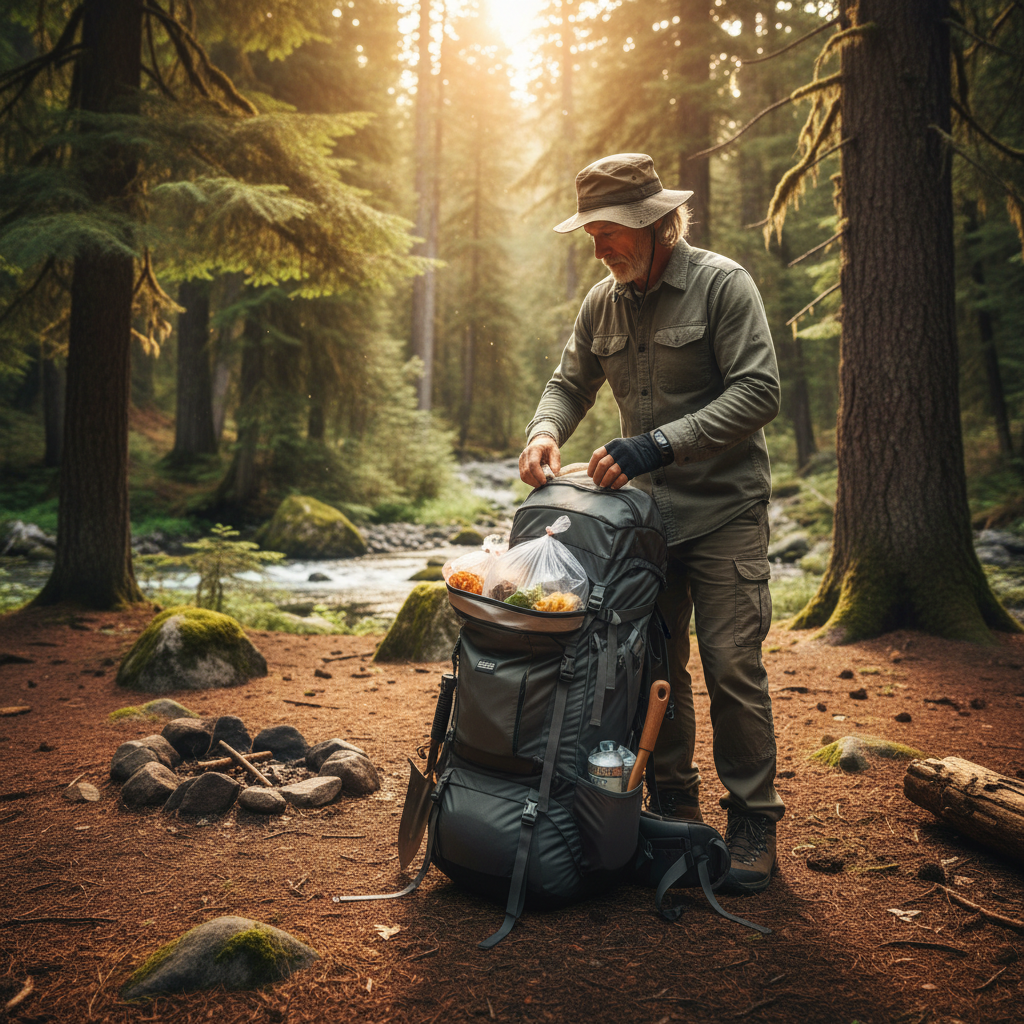
Pack it in, pack it out. Every piece of trash you carry in — food wrappers, banana peels, apple cores, toilet paper — must come back out with you. This includes "natural" food waste: orange peels can take two years to decompose in dry alpine environments, and fruit attracts bears and other wildlife.
Human waste in the backcountry:
This is a topic many visitors find uncomfortable to discuss, but improper disposal of human waste is one of the leading causes of water contamination in wilderness areas.
The cat hole method:
- Move at least 200 feet from water, trails, and camp
- Dig a hole 6–8 inches deep and 4–6 inches in diameter
- Use the hole and cover completely with native soil
- Pack out all toilet paper in a sealed bag (or use natural alternatives like smooth rocks and leaves — check local guidelines)
In some desert environments and heavily used areas, you'll be required to pack out all waste using a WAG bag. Carry one on any desert or above-treeline trip.
Dishwater and gray water:
Strain out food particles, scatter dishwater 200+ feet from water sources, and never dump soapy water — even biodegradable soap — directly in streams or lakes.
Principle 4: Leave What You Find
The rule is simple and absolute: take nothing but photographs, leave nothing but footprints. But there are important details to understand.
- Don't pick wildflowers or plants: Even one person picking flowers seems harmless — but multiply that by a thousand visitors and a meadow is stripped bare.
- Don't collect rocks, fossils, or artifacts: It's illegal in national parks and damages the scientific and natural record of a place.
- Don't carve into trees or rocks: "Tree carvings" can introduce disease and damage bark layers that trees depend on to transport water and nutrients.
- Don't move or build rock cairns in areas where they're not established navigation aids — this confuses other hikers.
- Don't introduce or transport species: Check your gear, boots, and clothing for seeds and hitchhiking organisms before entering a new wilderness area.
Principle 5: Minimize Campfire Impacts
Campfires are one of the most culturally beloved parts of outdoor recreation — and one of the most damaging if handled poorly. Escaped campfires are the leading cause of human-ignited wildfires. Even contained campfires leave lasting scars on the landscape.
Best practices:
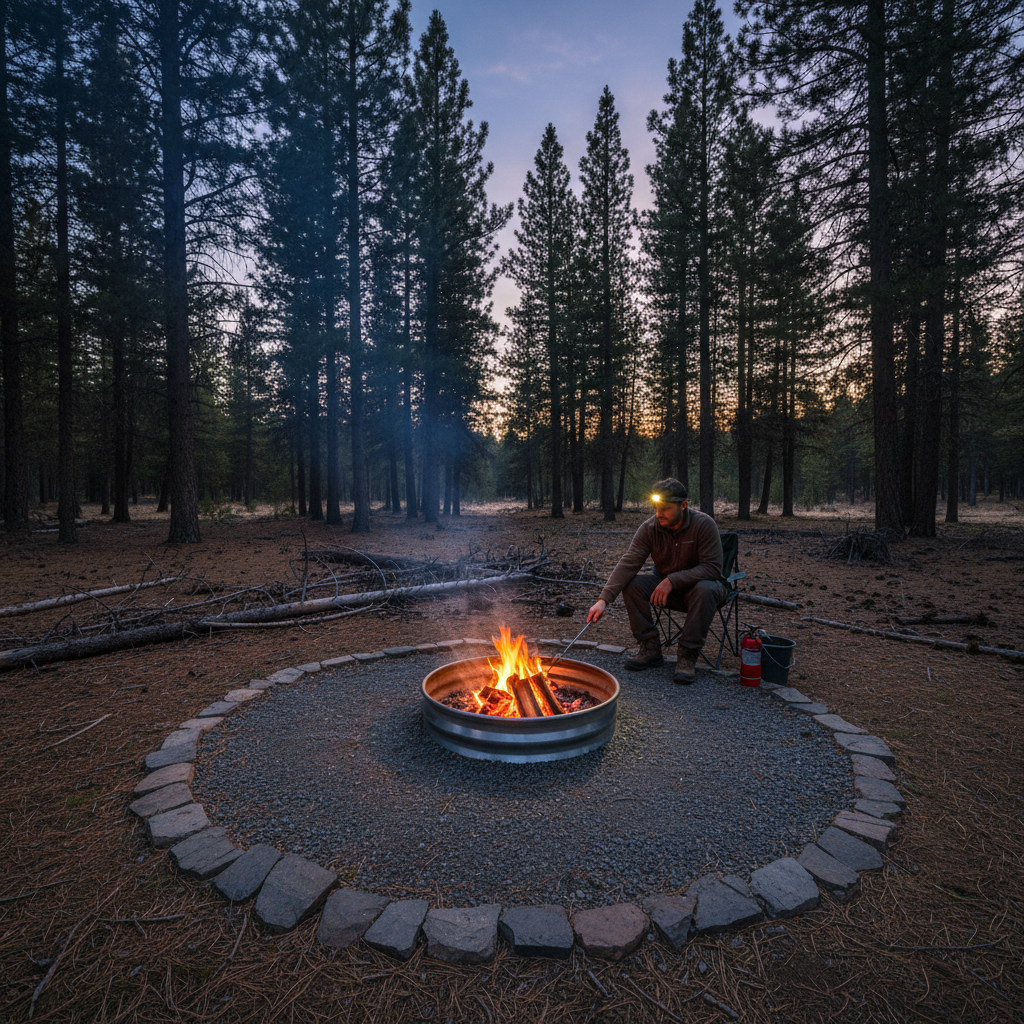
- Check fire regulations before every trip — many areas prohibit fires seasonally or year-round
- Use existing fire rings — never create new ones
- Keep fires small — a small fire is easier to control and produces less ash and smoke impact
- Use only dead and downed wood — never break branches from living trees
- Burn wood completely to ash — never leave partially burned logs
- Drown fires completely — pour water until ashes are cold to the touch, then stir and drown again
- Pack out ash if required by local regulations
Consider using a camp stove instead of a fire. It's lighter, faster, cleaner, and leaves zero trace.
Principle 6: Respect Wildlife
Wild animals are not photo props, feeding opportunities, or entertainment. They are wild — and human interference, however well-intentioned, causes serious harm.
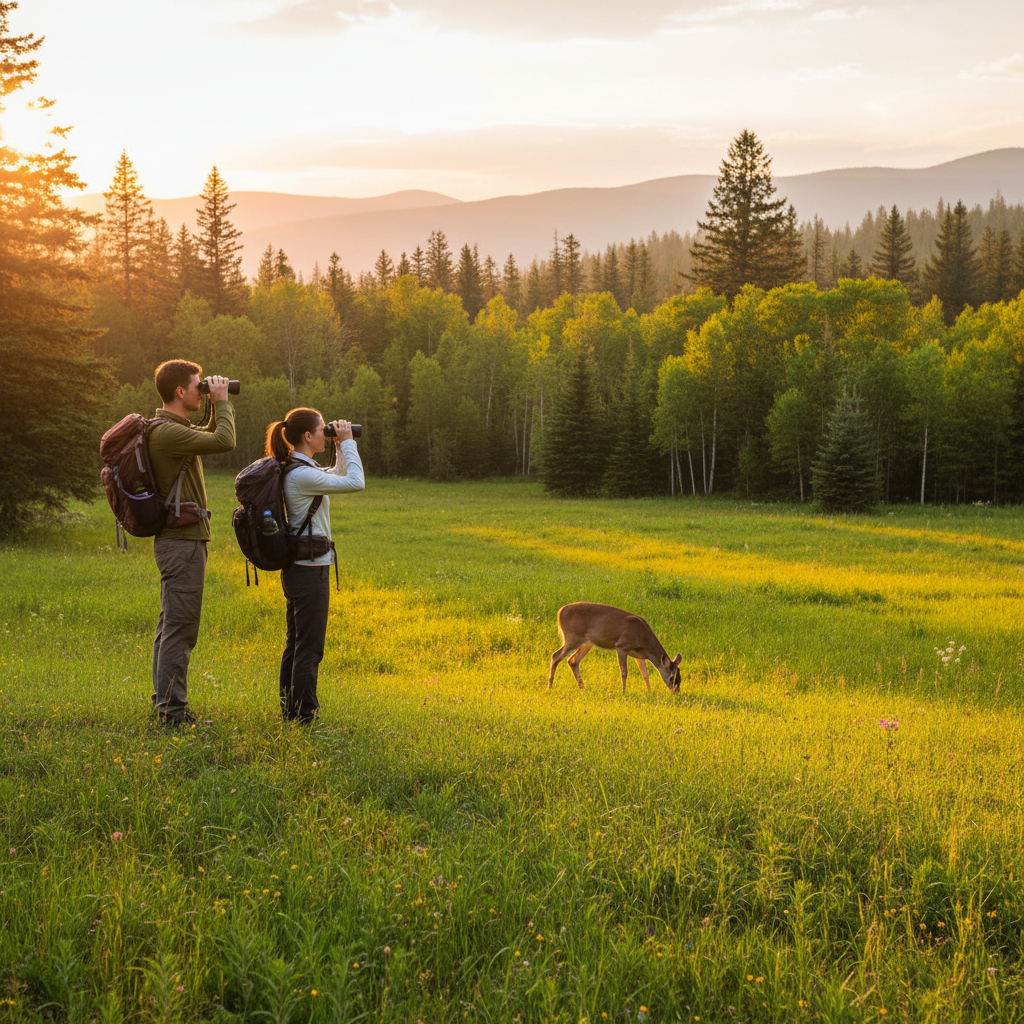
The distance rules:
- Stay at least 100 yards (91 meters) from bears and wolves
- Stay at least 25 yards (23 meters) from all other wildlife
- Never approach, pursue, or attempt to touch wildlife
On feeding:
Feeding wildlife is one of the most harmful things you can do. Animals that become food-conditioned to humans lose their natural foraging behaviors, become aggressive, and almost always end up euthanized. A fed animal is a dead animal.
Food storage:
In bear country, use a bear canister or hang food using the bear hang method at least 200 feet from your sleeping area. This protects both your food and the bear.
Principle 7: Be Considerate of Other Visitors
The outdoors is shared space. Your choices affect the experience of every other person on that trail.
- Yield the trail correctly: Hikers going uphill have the right of way. Step aside for horses and pack animals. Mountain bikers yield to hikers.
- Keep noise down: Natural sounds — birds, wind, water — are part of what makes wilderness valuable. Loud music, shouting, and noise disrupt both wildlife and other visitors' experience.
- Camp away from others: If you arrive at a popular site and other campers are there, move at least 200 feet away to give everyone space.
- Let nature's sounds dominate: Leave Bluetooth speakers at home. Use headphones if you must listen to music.
Frequently Asked Questions About Leave No Trace
Q: Is Leave No Trace legally required? A: LNT principles aren't always legally codified, but many individual regulations — fire bans, minimum camping distances, pack-in/pack-out rules — are. Violating them can result in fines.
Q: Can I have a campfire if there's a ring already there? A: Only if there are no active fire restrictions in the area. Always check current conditions before building any fire.
Q: What's the most commonly violated LNT principle? A: Leaving food scraps and waste is the most frequent violation — people assume orange peels or apple cores will "just decompose" without realizing the harm caused.
Q: Does LNT apply in my local park or forest? A: Absolutely. LNT principles apply anywhere you spend time in natural spaces — from neighborhood greenways to alpine wilderness.
Q: How can I teach LNT to my kids? A: Make it a game. Give them a role — Chief Trash Inspector, Wildlife Lookout — and involve them in decision-making. Kids who feel responsible for nature become lifelong stewards.
Conclusion
Leave No Trace isn't about deprivation — it's about intention. It's the difference between being a visitor who takes without thinking and one who gives something back simply by being mindful. When you practice these seven principles, you're not just protecting a piece of land. You're preserving the experience for the next hiker, the next family, the next generation that needs wild places to exist.
Head outside. Explore boldly. Leave it better than you found it.
Explore more: Best Eco-Friendly Outdoor Products | Essential Camping Gear for Beginners | Best National Parks for Families