The Complete Guide to Hiking in National Parks: Planning, Permits, and Preparation
From permit systems to trail safety, this complete guide covers everything you need to plan an unforgettable national park hiking trip.
June 2, 2026
The Complete Guide to Hiking in National Parks: Planning, Permits, and Preparation
America's national parks contain some of the most extraordinary hiking on the planet. From the rim-to-rim traverse of the Grand Canyon to the misty rainforests of Olympic, from Zion's iconic narrows to the alpine meadows of Mt. Rainier, the 63 national parks offer hiking experiences that range from strolls to multi-day wilderness epics.
But national park hiking in the 21st century requires planning. Permit systems, crowd management, seasonal closures, and trail conditions mean that showing up at a popular trailhead without preparation often leads to disappointment or, worse, dangerous situations. This guide prepares you for everything.
The National Park Permit System: What You Need to Know
The most common surprise for first-time national park hikers: many popular trails now require advance permits, and getting one isn't guaranteed.
How permits work:
Recreation.gov lottery system: The most competitive permits — Half Dome cables in Yosemite, The Wave in Vermilion Cliffs, Angels Landing in Zion — are awarded through a lottery conducted months before the hiking season. You apply, pay a non-refundable $6 application fee, and wait.
First-come, first-served: Some parks release a portion of permits at recreation.gov at midnight 48 hours before the hiking date. This requires flexibility but is more accessible than the lottery.
Walk-up permits: A small number of permits are held back each day and distributed at the permit office at a set time (usually 8am). Arriving early and being prepared to accept any available date is key.
Parks with significant permit requirements (2024):
- Yosemite: Half Dome cables (lottery, May–October), Yosemite Valley day use driving (timed entry)
- Zion: Angels Landing (lottery year-round), The Narrows bottom-up (no permit, but shuttle required)
- Glacier: Many trailheads require vehicle reservations (recreation.gov) during peak season
- Rocky Mountain: Bear Lake Corridor shuttle pass required in summer
- Grand Teton: Overnight backpacking permits required
- Olympic: Wilderness camping permits (available at trailhead)
Choosing the Right Trail for Your Experience Level
National park trails span an enormous range of difficulty. Matching the trail to your fitness and experience level is a safety issue, not just a comfort one.
Understanding trail difficulty ratings:
Most parks use a three-level system:
- Easy: Well-maintained, flat or gentle grade, short distance, suitable for all ages and fitness levels
- Moderate: Some elevation gain, longer distance, uneven terrain; requires reasonable fitness and proper footwear
- Strenuous: Significant elevation change (1,000+ feet), long distance, possibly off-trail sections; requires good fitness, appropriate gear, and experience
Be honest with yourself. Every year, visitors in flip-flops and jeans attempt Angel's Landing or Half Dome and end up in emergency situations. The rangers who respond to these rescues are putting themselves at risk.
Questions to ask before choosing a trail:
- What is the total distance and elevation gain?
- What is the highest elevation, and are there acclimatization concerns?
- How long will it take, accounting for your realistic pace?
- What are the water sources and resupply options?
- What are the weather risks for that season?
- What rescue options exist if something goes wrong?
The 10 Essentials for National Park Day Hiking
The 10 Essentials is a checklist developed by The Mountaineers in the 1930s and refined over decades. For any hike beyond an easy, well-traveled trail, these items are non-negotiable:
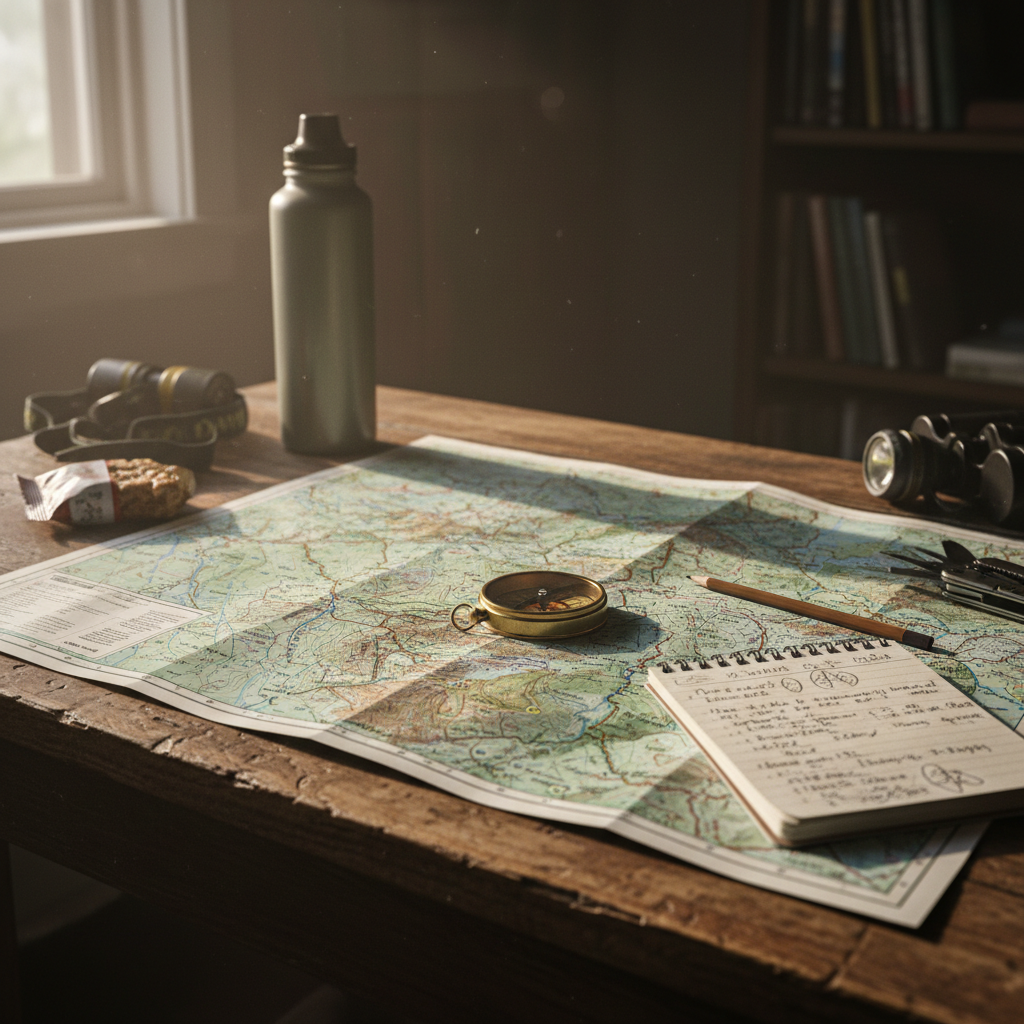
- Navigation: Map (downloaded offline) and compass
- Sun protection: Sunscreen SPF 30+, sunglasses, sun hat
- Insulation: Extra layers for unexpected weather changes
- Illumination: Headlamp with fresh batteries
- First-aid supplies: Minimum: blister kit, bandages, pain reliever, antihistamine
- Fire starting: Lighter and waterproof matches
- Repair tools and knife: Duct tape, multi-tool
- Nutrition: Extra food beyond what you plan to eat
- Hydration: Extra water beyond what you plan to drink (2 liters minimum for a half-day hike)
- Emergency shelter: Space blanket or bivy at minimum
Altitude and Acclimatization: A Critical Safety Factor
Many of America's most spectacular national parks sit at high elevation: Rocky Mountain's Trail Ridge Road reaches 12,183 feet. Yosemite's high country is above 9,000 feet. The summit of Mt. Whitney (in adjacent Sequoia) is 14,505 feet.
Altitude sickness can affect anyone, regardless of fitness level. At elevations above 8,000 feet, your body is working harder with less oxygen — and ascending too quickly without acclimatization is dangerous.
Symptoms of Acute Mountain Sickness (AMS):
- Headache
- Nausea or vomiting
- Dizziness
- Fatigue disproportionate to exertion
- Poor sleep
Prevention:
- Spend 1–2 days at intermediate elevation before hiking high
- Ascend no more than 1,000–1,500 feet of sleeping elevation per day above 8,000 feet
- Stay hydrated — dehydration accelerates AMS
- Avoid alcohol in the first 24 hours at altitude
- "Hike high, sleep low" — go higher during the day, come back down to sleep
If symptoms are severe or worsening, descend immediately. There is no other treatment for serious altitude illness.
Best National Parks for Iconic Hikes
Yosemite National Park, California
Signature hike: Half Dome cables — 17 miles round trip with 4,800 feet of gain, featuring a 400-foot cable climb on a 45° rock face. Permit required. One of the most memorable day hikes in America.
Accessible alternatives: Valley Floor Loop (easy, 13 miles, no permit), Vernal and Nevada Falls (6 miles, moderate), Mirror Lake (5 miles, easy)
Zion National Park, Utah
Signature hike: The Narrows — Hiking up the North Fork of the Virgin River through soaring sandstone slot canyons. No permit required for bottom-up. Knee-to-waist deep water hiking; rent dry suits in cold months.
Also iconic: Angels Landing (permit required, 5.4 miles, strenuous with chains), Emerald Pools (easy to moderate, beautiful)
Rocky Mountain National Park, Colorado
Signature hike: Longs Peak — A 14-mile round trip to the only 14er in the park, with a cable section and knife-edge traverse. Start before 3am to summit before afternoon storms.
Family-friendly: Bear Lake area trails (1–3 miles, easy to moderate), Sprague Lake (easy, accessible)
Grand Canyon National Park, Arizona
Critical advice: Never hike to the river and back in one day. The canyon is 4,300 feet deep; the hike down is easy, the hike back is brutally hot and strenuous. Overconfidence in the Grand Canyon sends dozens of visitors to the hospital every year.
Recommended approach: Hike to a rim trail viewpoint, or descend 1.5–2 miles on Bright Angel or South Kaibab Trail and turn around. Permit overnight trips well in advance.
Peak Season vs. Shoulder Season: When to Go
Peak season (June–August):
- Pros: All facilities open, all trails accessible, long daylight hours
- Cons: Massive crowds, full campgrounds, permit competition intense, afternoon thunderstorms in mountain parks, heat danger in canyon parks
Shoulder season (April–May, September–October):
- Pros: Fewer crowds, cooler temperatures, fall foliage (September–October), spring wildflowers (April–May)
- Cons: Some facilities not yet open, higher elevation trails may have snow
Off-season (November–March):
- Pros: Near-empty trails, dramatic winter landscapes, no permit competition
- Cons: Many high-elevation trails inaccessible, cold and dangerous conditions, some park facilities closed
For most parks, September and October offer the best combination of accessibility, weather, and manageable crowds.
Frequently Asked Questions
Q: How far in advance should I book national park camping and permits? A: Lottery permits open 3–6 months ahead. First-come permits release 48 hours in advance. Campgrounds in popular parks should be booked as soon as they open — often 6 months in advance for peak season.
Q: Can I hike national park trails without a permit? A: Most trails in most parks require no permit for day hiking. Permits are required for specific popular trails (Half Dome, Angels Landing) and for overnight wilderness camping.
Q: Is it safe to hike alone in national parks? A: Solo hiking is generally safe with proper preparation: tell someone your itinerary, carry the 10 essentials, download a satellite communicator app, and choose trails appropriate to your skill level.
Q: Are dogs allowed on national park trails? A: Dogs are allowed in developed areas (campgrounds, parking lots, paved paths) but generally prohibited on trails in most national parks. Check the specific park's policy before bringing your dog.
Conclusion
America's national park trails are among the greatest gifts this country has given itself and the world. They've endured through changing administrations and budget fights because generations of hikers have loved them, advocated for them, and passed that love to their children.
Prepare well. Go at shoulder season if you can. Respect the permit systems that protect these places. And when you get there, look up from the trail occasionally — the view is worth it.
Related reading: Best National Parks for Families | How to Read a Topographic Map | Wilderness First Aid Essentials