North American Wildlife Watching Guide: Where to See Bears, Wolves, and Bison
A complete guide to watching North America's most iconic wildlife — from Yellowstone bison to Pacific black bears — with tips, destinations, and ethics.
June 2, 2026
North American Wildlife Watching Guide: Where to See Bears, Wolves, and Bison
There are few experiences that compare to watching wild animals in their natural habitat. North America is one of the most biodiverse continents on Earth, home to iconic megafauna — gray wolves, American bison, grizzly bears, bald eagles, elk, moose, and mountain lions — that exist nowhere else in such accessible wilderness settings.
This guide covers the best places to see North America's most iconic wildlife, the ethics of responsible wildlife watching, the gear you'll want to bring, and practical tips for maximizing your chances of an unforgettable encounter.
Why Ethical Wildlife Watching Matters
Before we dive into destinations and species, let's talk about the most important rule: distance saves lives — both yours and the animal's.
Every year, tourists at national parks are injured by wildlife they approached too closely. More frequently, animals that become habituated to humans — expecting handouts, losing fear of people — are euthanized by park managers who have no other option. The phrase "a fed bear is a dead bear" exists for a reason.
The minimum distances:
- Bears and wolves: 100 yards (length of a football field)
- All other large mammals: 25 yards
- Nesting birds: 100 yards
Use binoculars and a telephoto lens. The best wildlife photos are taken from respectful distances — and the experience of watching an animal that doesn't know you're there is infinitely richer.
Top Wildlife Watching Destinations in North America
1. Yellowstone National Park, Wyoming — The Crown Jewel
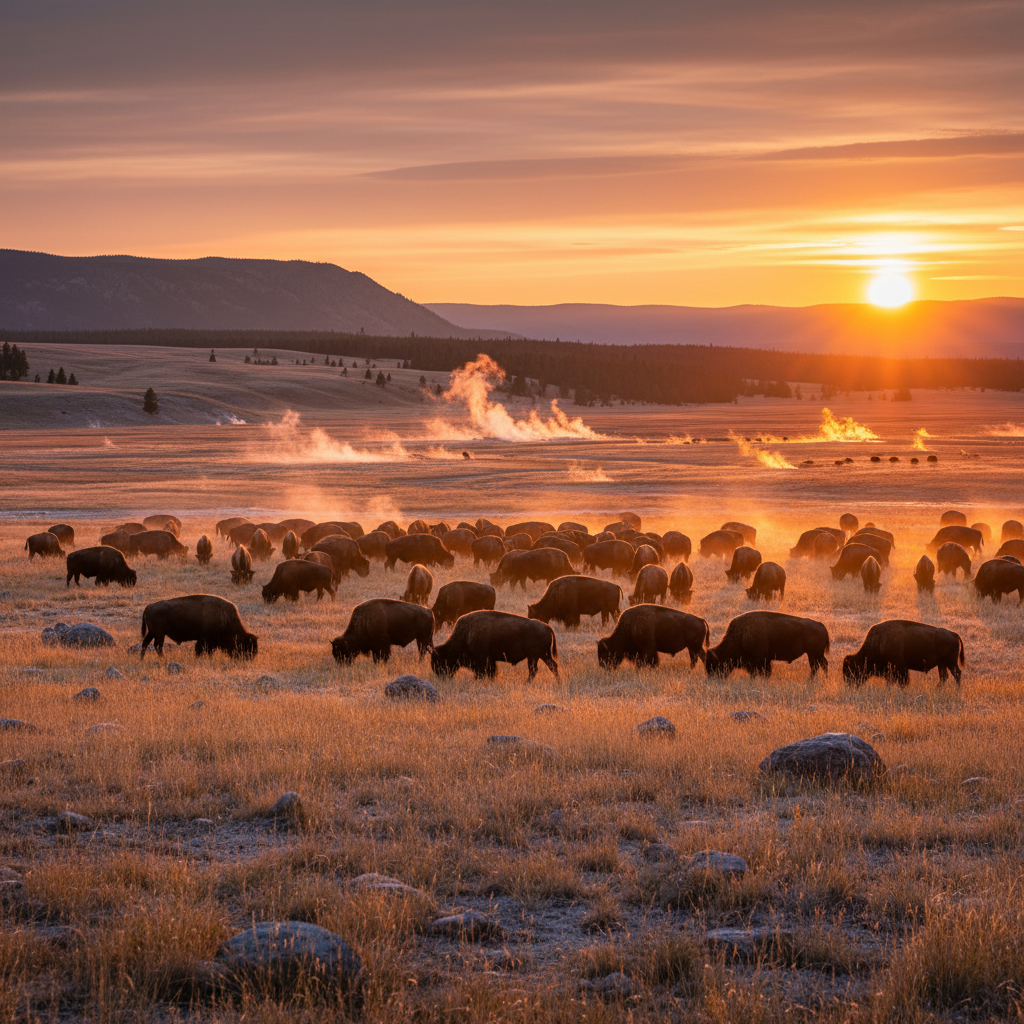
No destination on Earth offers wildlife watching like Yellowstone. In a single day in the Lamar Valley — often called "America's Serengeti" — you might see bison herds numbering in the thousands, a wolf pack on the hunt, grizzly bears teaching their cubs to forage, and a bald eagle overhead.
What you can see:
- American bison (the largest land animal in North America)
- Gray wolves (reintroduced in 1995, now a thriving population)
- Grizzly and black bears
- Elk, pronghorn, bighorn sheep
- Bald eagles and osprey
- Coyotes, foxes, and river otters
Best time: Early morning and evening throughout the year. Spring (April–May) is exceptional for wolf pups and bear cubs. Fall brings the elk rut — one of nature's most dramatic spectacles.
Pro tip: Rent a spotting scope or bring binoculars with at least 10x magnification. The Lamar Valley pullouts are packed with volunteer wolf-watchers every morning who are usually happy to help you spot animals.
2. Great Smoky Mountains National Park, NC/TN — Bears and Biodiversity
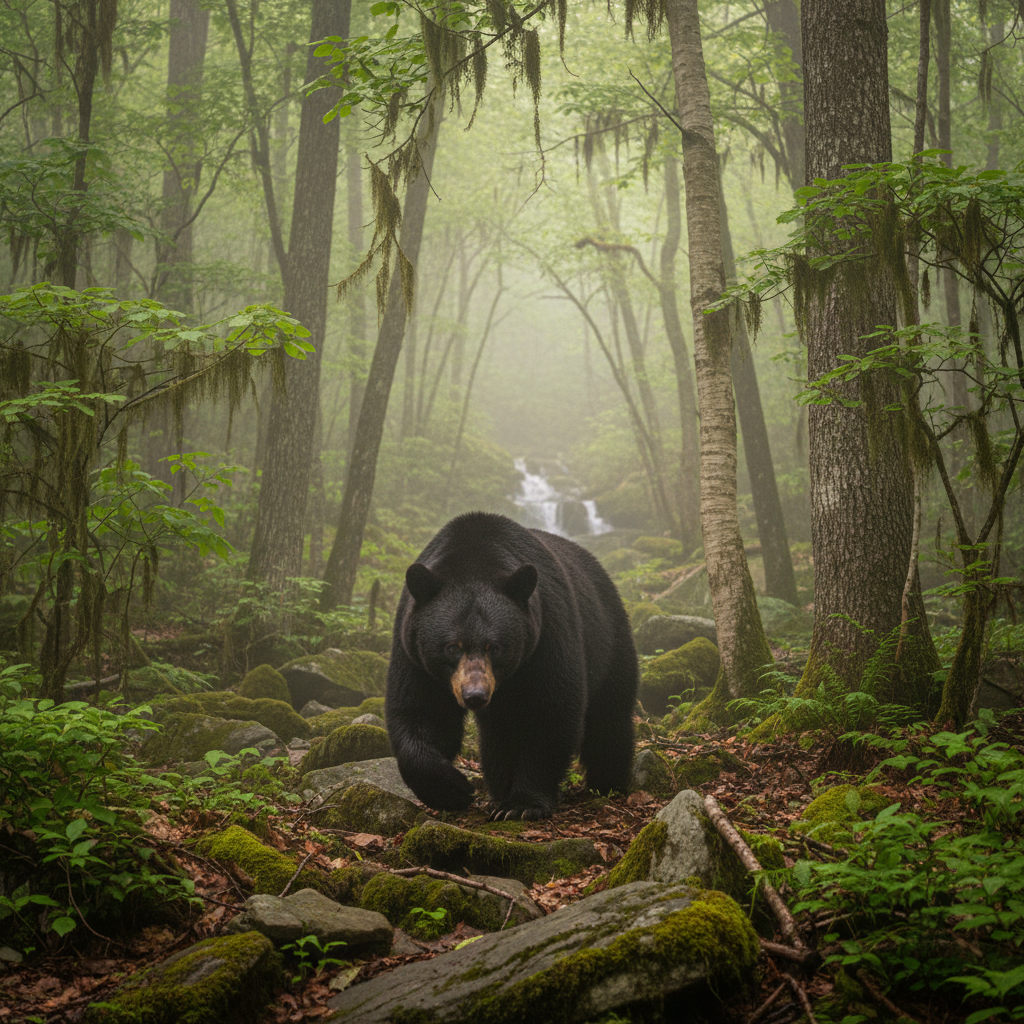
The Great Smokies are home to roughly 1,500 black bears — one of the densest bear populations in the Eastern United States. It's also the most biodiverse national park in North America, with more tree species than all of northern Europe combined.
Wildlife highlights:
- American black bears (commonly seen in Cades Cove and along Roaring Fork Motor Nature Trail)
- White-tailed deer
- Wild turkey
- Synchronized fireflies (a magical phenomenon in late May/early June)
- Salamanders (over 30 species — more than anywhere on the continent)
Best time: Dawn and dusk, especially in Cades Cove. Arrive at the one-way loop road early to beat traffic.
3. Denali National Park, Alaska — True Wilderness
Denali offers a wildlife experience unlike anywhere in the lower 48. Because only one road penetrates the park and private vehicles are limited, wildlife here has minimal exposure to human traffic — meaning you'll see animals behaving naturally.
Wildlife highlights:
- Grizzly bears (often seen digging for roots or ground squirrels)
- Caribou herds numbering in the thousands
- Wolves (large packs, often visible from the road)
- Dall sheep on rocky ridges
- Moose, lynx, wolverine
Best time: June through August for accessibility; September for fall colors and active bears fattening before hibernation.
4. Rocky Mountain National Park, Colorado — Elk Rut Season
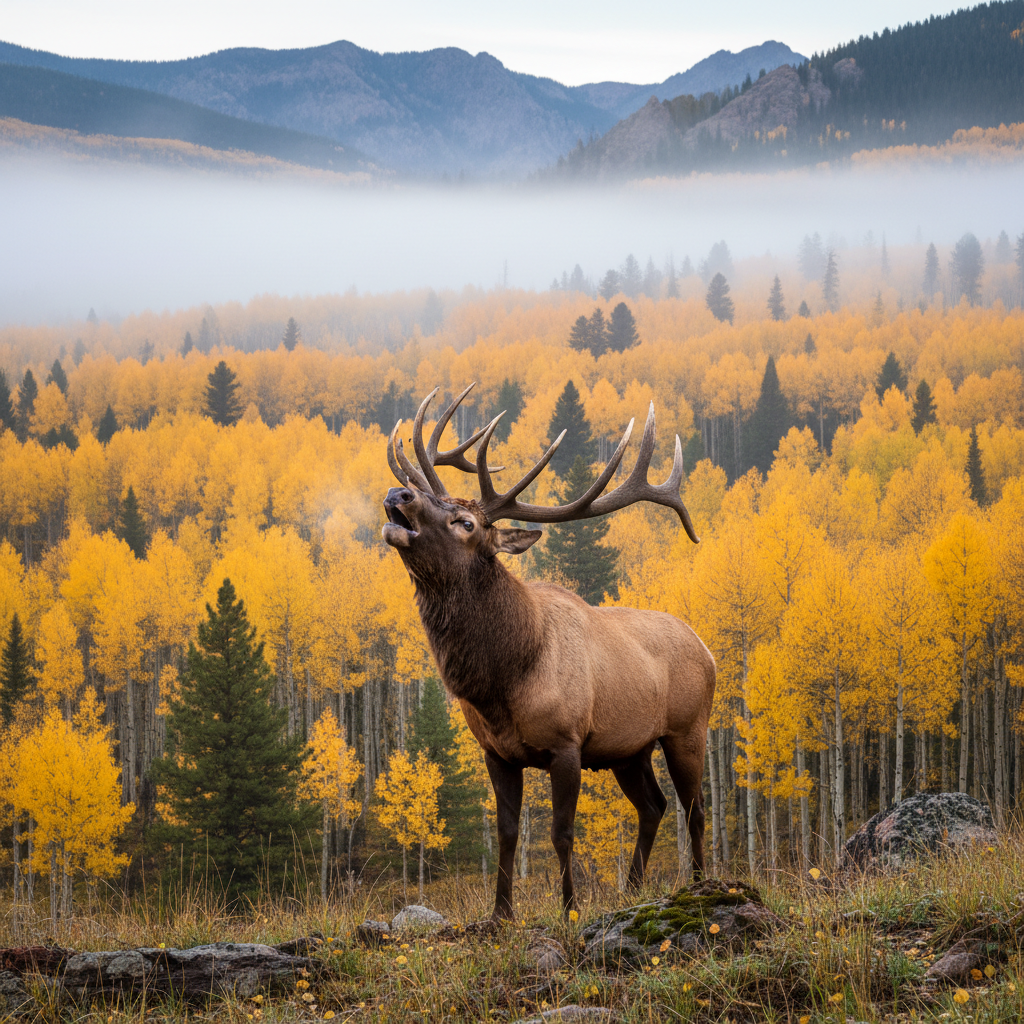
In September and October, Rocky Mountain National Park hosts one of North America's great wildlife spectacles: the elk rut. Bull elk — some weighing over 700 pounds with antlers spanning six feet — bugle, spar, and compete for harems of cows in the open meadows of Horseshoe Park and Moraine Park.
Wildlife highlights:
- Elk (year-round, spectacular during rut)
- Mule deer
- Bighorn sheep (Trail Ridge Road and Never Summer Range)
- Black bears
- Marmots and pikas at high elevations
Best time: September–October for the rut; year-round for diverse species viewing.
5. Glacier National Park, Montana — Grizzly Country
Glacier's wild backcountry supports one of the healthiest grizzly bear populations in the lower 48, alongside gray wolves, mountain goats, and wolverines. This is genuine big wilderness — and that means taking bear safety seriously.
Wildlife highlights:
- Grizzly bears
- Gray wolves
- Mountain goats (frequently visible on Logan Pass road cuts)
- Bighorn sheep
- Bald and golden eagles
The Species You're Most Likely to See
American Bison
Once numbering 30–60 million and reduced to near extinction by the 1880s, bison have made a remarkable comeback through conservation efforts. Yellowstone is home to the largest wild herd — approximately 5,000 animals.
Do not approach bison. They are deceptively fast (up to 35 mph), unpredictable, and responsible for more visitor injuries in Yellowstone than any other animal.
Gray Wolves
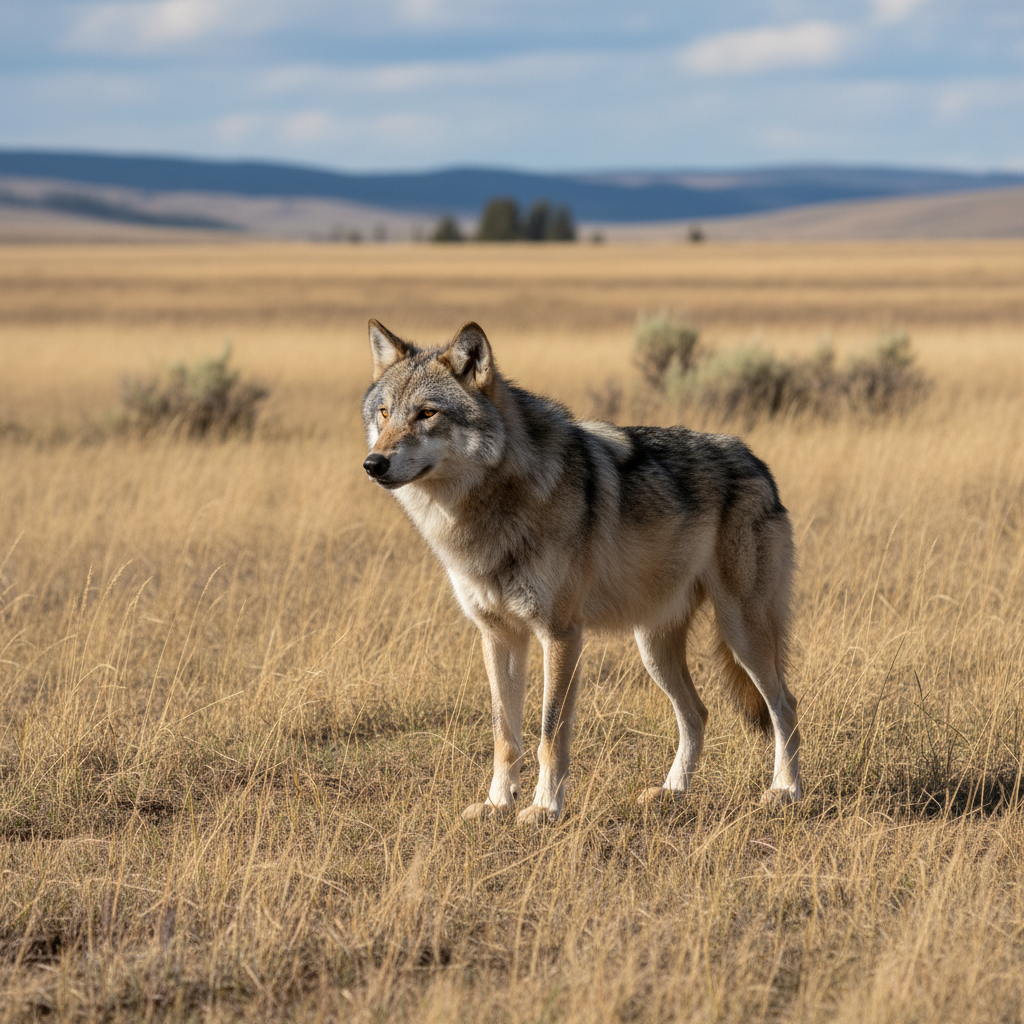
The reintroduction of gray wolves to Yellowstone in 1995 is considered one of the greatest conservation success stories in American history. Wolf presence restored degraded stream banks (by keeping elk herds moving and preventing overgrazing), brought back willows and aspens, and increased biodiversity in a cascade of effects called a "trophic cascade."
Grizzly Bears
Grizzly bears require vast, connected wilderness to thrive. In the lower 48, they exist only in Montana, Idaho, Wyoming, and Washington. Viewing a grizzly in the wild — especially a mother with cubs — is a transformative experience that inspires lifelong conservation commitment.
Bald Eagles
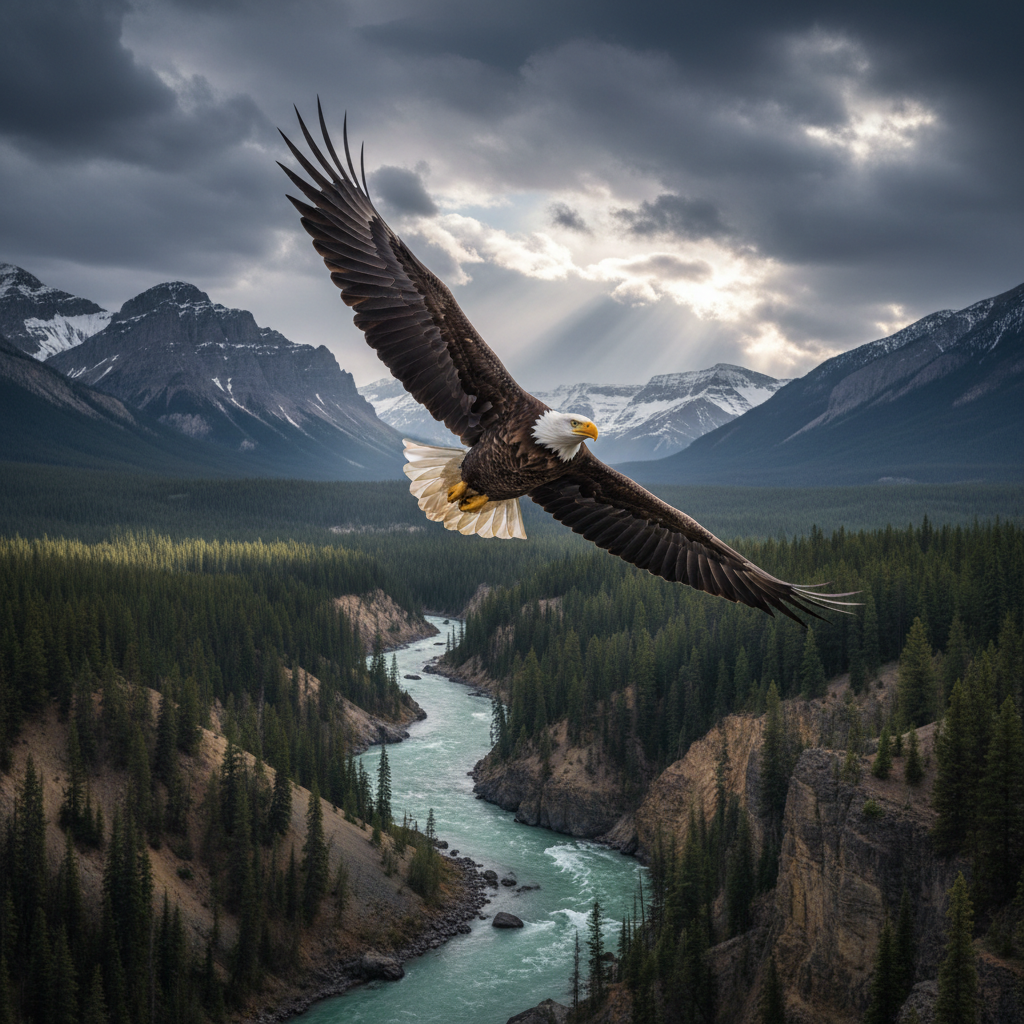
Once nearly extinct due to DDT poisoning, bald eagles recovered to a healthy population following the pesticide's ban in 1972. Today, they're seen throughout North America along rivers, lakeshores, and coasts. Alaska has the densest population; the Chilkat Bald Eagle Preserve hosts over 3,000 eagles in November and December.
Moose
The largest member of the deer family, moose are most reliably found near ponds, marshy areas, and willow thickets in early morning. Grand Teton, Glacier, and Denali are top viewing locations. During the rut in September–October, bulls can be unpredictably aggressive.
Essential Gear for Wildlife Watching
- Binoculars: 8x42 or 10x42 are ideal for most situations
- Spotting scope: Critical for Yellowstone wolf watching (20–60x magnification)
- Camera with telephoto lens: 400mm+ for quality wildlife shots at safe distances
- Field guide: Regional wildlife ID guides enhance every outing
- Bear spray: Required for all backcountry hiking in grizzly country
- Quiet clothing: Avoid bright colors and rustling synthetic fabrics near skittish species
Frequently Asked Questions
Q: What is the best time of day to see wildlife? A: Dawn and dusk — the "golden hours" — are when most mammals are most active. Be at your viewing location before sunrise.
Q: Is it safe to watch bears in national parks? A: Yes, if you maintain proper distance (100 yards minimum) and never approach, feed, or position yourself between a bear and its cubs or food source.
Q: Do I need a permit to watch wildlife in national parks? A: No permit is needed for general wildlife viewing. Backcountry camping requires permits in most parks.
Q: What should I do if a bear approaches me? A: Stand tall, speak calmly, and slowly back away. Do not run. If a grizzly makes contact, play dead; if a black bear attacks, fight back.
Q: Can I use drones to photograph wildlife? A: Drones are prohibited in all national parks. They stress wildlife and are banned on all NPS-managed lands.
Conclusion
North America's wildlife is among the most extraordinary on the planet — and unlike most of the world, much of it is accessible to everyday visitors through a remarkable network of public lands. From Yellowstone's wolves to the Smokies' bears, every encounter is a reminder of what we stand to lose if we fail to protect wild habitat.
Visit. Watch. Give back. Your presence, done responsibly, is itself an act of conservation.
Related reading: Best National Parks for Families | Leave No Trace Complete Guide | How to Read a Topographic Map