How to Plan Your First Family Camping Trip: A Complete Step-by-Step Guide
Planning your first family camping trip? This step-by-step guide covers campsite selection, gear, activities, and everything to make it a success.
June 2, 2026
How to Plan Your First Family Camping Trip: A Complete Step-by-Step Guide
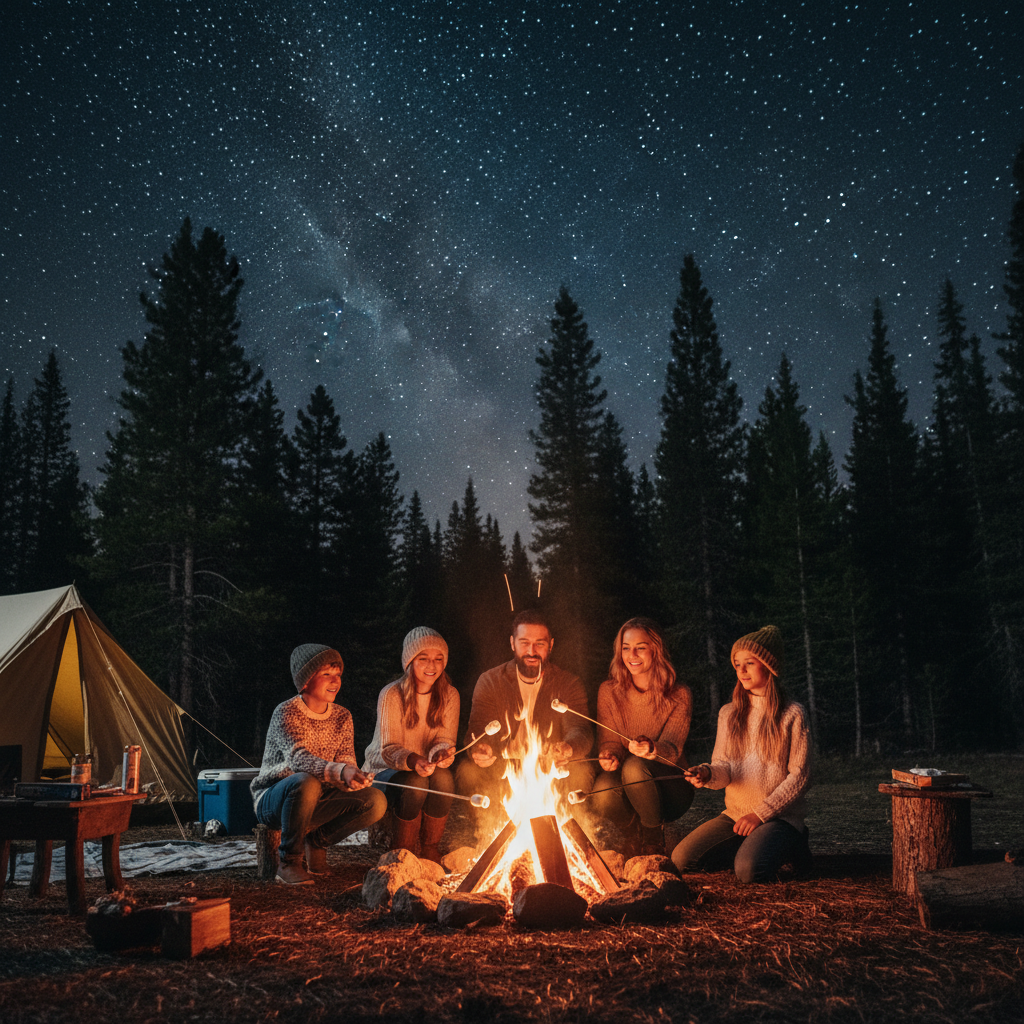
There's a particular kind of magic in a child's first night under the stars. Away from screens, schedules, and the noise of everyday life, families in the outdoors tend to rediscover each other — the old-fashioned way.
But let's be honest: planning a camping trip with kids can feel overwhelming the first time. Different gear needs, food logistics, the reality of sleeping bags and sleeping pads, the question of what to do if it rains — there's a lot to think about. This guide makes the process manageable and enjoyable, breaking it down into clear steps from first idea to first night under canvas.
Step 1: Choose the Right Campsite for Families
Your first family camping trip should be comfortable, not challenging. Save the remote backcountry adventure for later — for your first trip, choose a well-developed campground with:
- Flush toilets or good pit toilets nearby
- Running water at or near the campsite
- Established fire rings and picnic tables
- Flat, clear tent pads so sleeping is comfortable
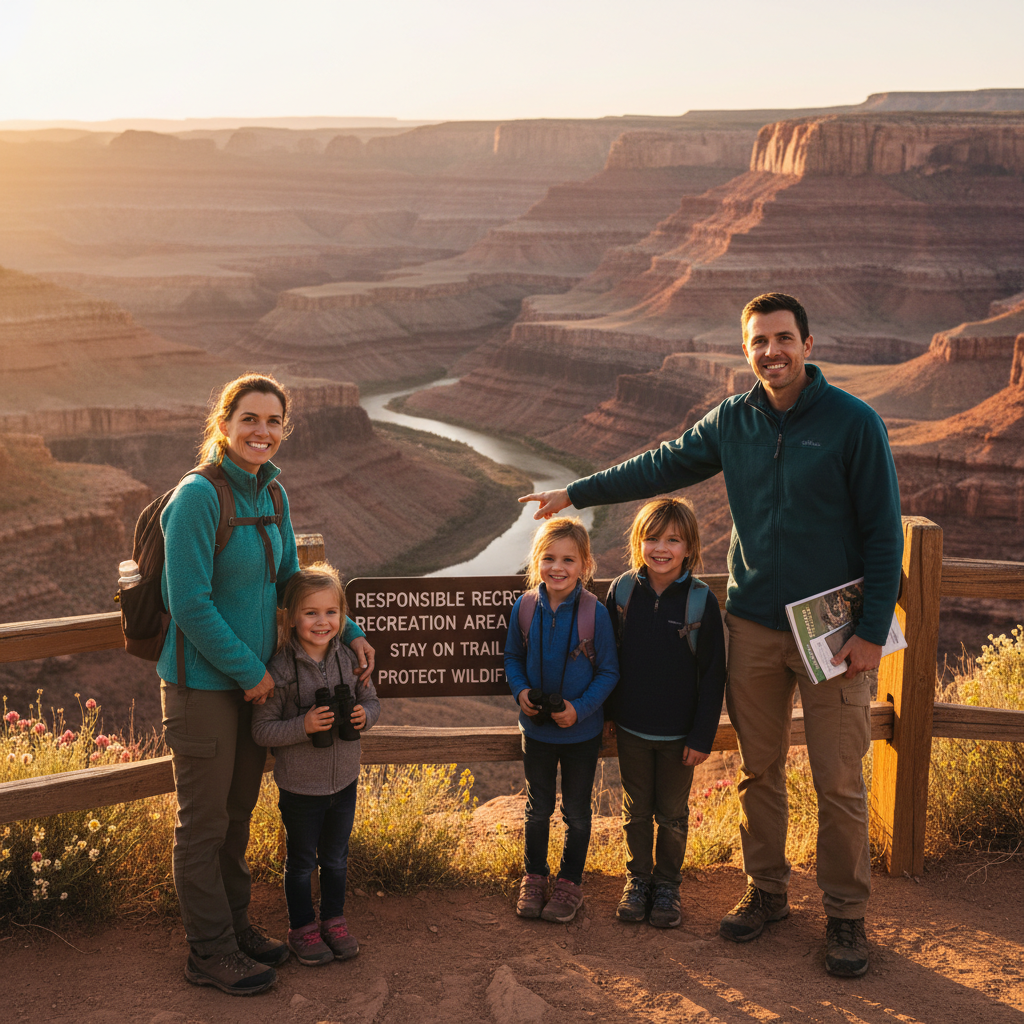
- Activities nearby — a lake, short trails, a beach, or a visitor center
Where to search for family campsites:
- Recreation.gov — All federal land campgrounds (national parks, forests, BLM)
- Reserve America — State park campgrounds
- The Dyrt — Comprehensive campground reviews with real user photos
- Hipcamp — Private land camping with unique farm and ranch options
Booking tips:
- Book early. Popular campsites at national parks can fill up six months in advance.
- Check the cancellation policy. Weather happens; you want flexibility.
- Read recent reviews. Conditions change; a site that was great two years ago may have issues now.
Step 2: Build Your Family Camping Gear List
You don't need to buy everything at once — and you definitely don't need to buy the most expensive versions of anything for your first trip. Here's what to prioritize:
Shelter and sleeping:
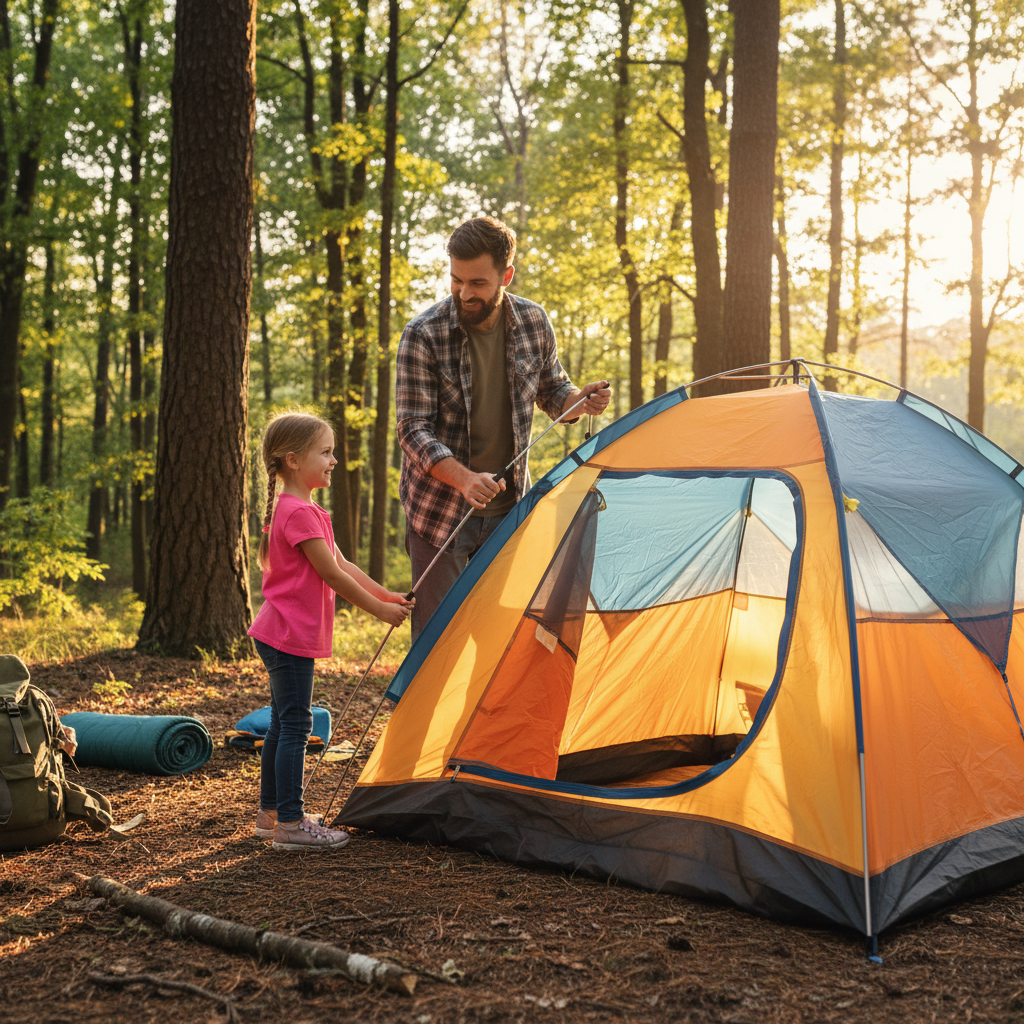
- Tent: A 4-person tent for a family of 3–4 gives you breathing room. Look for a freestanding design with a rainfly that covers all the way to the ground.
- Sleeping bags: Check the temperature rating — go 10–20°F below the expected nighttime low. Children sleep cold.
- Sleeping pads: Often overlooked but critical. They insulate you from the cold ground and dramatically improve sleep quality.
- Pillows: Small compressible pillows for comfort, or pack pillowcases and stuff them with soft clothing.
Kitchen:
- Camp stove and fuel: A two-burner propane stove is the family-friendliest option for a first trip.
- Cookware set: One pot, one pan, lid that doubles as a second pan.
- Utensils: Serving spoon, spatula, and a set per person.
- Cooler: A quality cooler keeps food safe for 3–5 days with proper ice management.
- Firestarter: Matches in a waterproof case, plus a lighter as backup.
Clothing (per person):
- Two pairs of moisture-wicking base layers
- Fleece or insulating layer
- Rain jacket
- Durable pants and shorts
- Warm hat and gloves (even in summer at higher elevations)
- Hiking boots or trail shoes
Step 3: Plan Your Meals
Food is one of the best parts of camping — and one of the most common points of stress. Plan every meal before you leave home.
Family camping meal ideas:
Breakfasts:
- Scrambled eggs and bacon over the camp stove
- Overnight oats in mason jars (prep at home, refrigerate in cooler)
- Pancakes from mix — kids love making them
Lunches:
- Deli sandwiches (day 1–2 while bread is fresh)
- Wraps with peanut butter and honey
- Crackers, cheese, salami, and fruit
Dinners:
- Foil packet meals: chicken, potatoes, and vegetables sealed in foil and cooked over coals
- Dutch oven chili
- Hot dogs and corn on the cob over the fire
- Pasta with jarred sauce — quick and universally liked
Desserts:
- Classic s'mores
- Campfire banana boats (bananas with chocolate and marshmallows, wrapped in foil)
Food safety in the field:
- Keep the cooler below 40°F. Add block ice rather than cubed — it lasts longer.
- Keep meat in sealed bags at the bottom of the cooler.
- Refrigerate leftovers within 2 hours — or toss them.
- Store all food in your car or a bear box overnight (even at developed campgrounds).
Step 4: Plan Kid-Friendly Activities
The best camping trip is one where kids are engaged and curious. Have activities ready but leave plenty of unstructured time — boredom often leads to the best nature exploration.
Nature activities:
- Nature scavenger hunts: Find 5 types of leaves, a feather, an insect, a rock with a stripe, etc.
- Bird watching: A simple beginner's field guide and binoculars transform any walk.
- Star gazing: Download a star-gazing app before you lose cell service and use it to identify constellations.
- Fishing: A basic rod, bobber, and worms can keep kids occupied for hours.
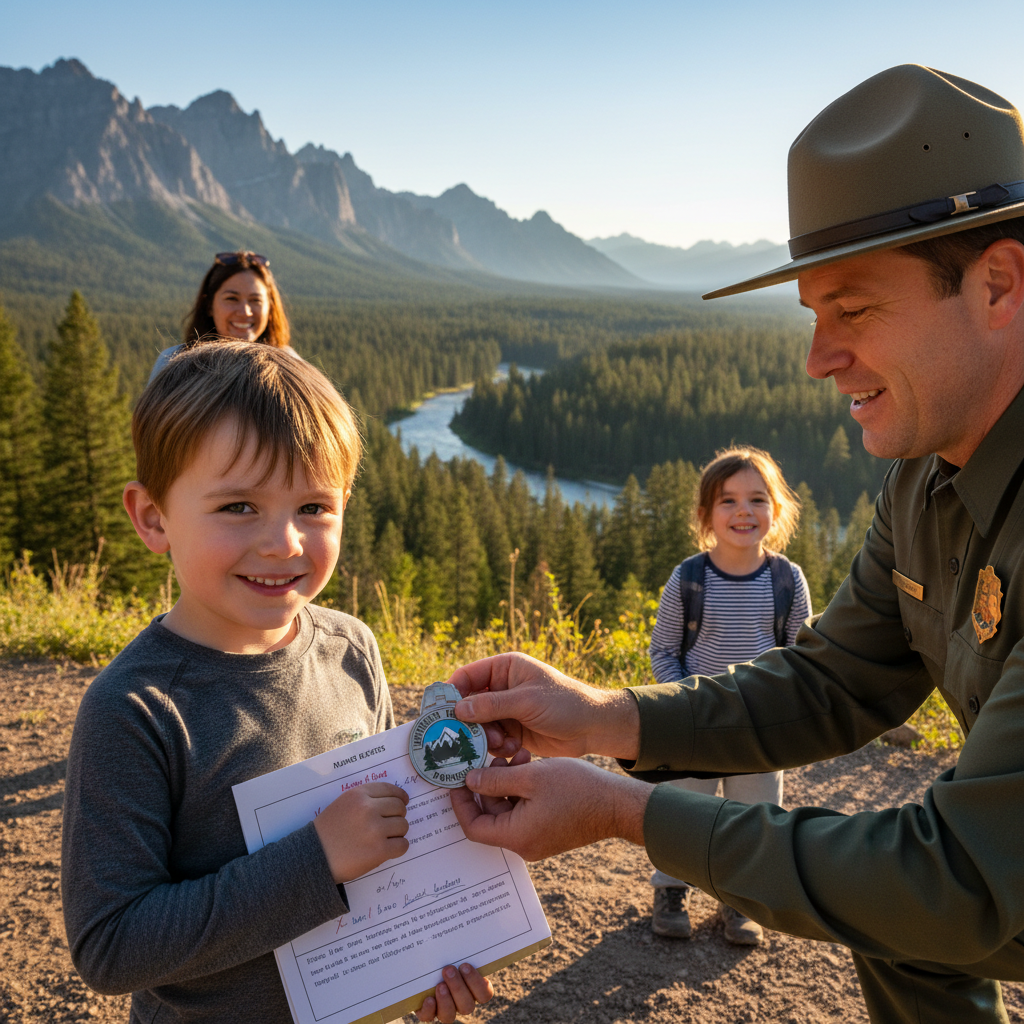
- Junior Ranger programs: Available at almost every national park and many state parks. Kids complete activities and earn an official badge.
Evening activities:
- Campfire stories
- Glow stick activities
- Simple card games by lantern light
Step 5: Set Up Camp Like a Pro
Arriving at your campsite with a plan saves stress. Follow this sequence:
- Scout the site first before unloading — find the best tent spot (flat, away from drainage, under some shade but not directly under large dead branches)
- Set up the tent before anything else (while there's still daylight)
- Set up the kitchen area downwind and away from the tent
- Establish the fire ring area
- Talk to kids about boundaries — where they can explore vs. where they need to check in first
Setting up the tent:
- Practice at home first, especially if you've never done it before
- Orient the door away from the prevailing wind direction
- Use a footprint under the tent to protect the floor
- Stake all corners before adding the rainfly
Step 6: Prepare for What Could Go Wrong
The best family camping trips happen when you're prepared for reality.
Weather: Check the forecast daily in the week before your trip. Have a rain plan — tarps create covered kitchen areas, and some of the best camping memories happen in the rain.
Insects: Pack DEET or picaridin insect repellent. At buggy campsites, mesh head nets are worth their weight in gold.
Bears and wildlife: Know whether you're in bear country. Store all food, scented items (including toothpaste), and trash in a bear box or your locked car overnight.
Minor injuries: Bring a basic first aid kit including moleskin for blisters, antihistamine for insect reactions, and pain reliever.
Kids who don't sleep: This is basically inevitable the first night. Bring good ear plugs and have a "it gets better" mindset.
Frequently Asked Questions
Q: What age is appropriate for a first camping trip? A: There's no minimum age. Families with infants camp successfully with the right gear. The key is choosing an accessible, comfortable campground and managing expectations for the first trip.
Q: How do we handle bathroom situations with young kids? A: Start with campgrounds that have flush toilets. If using pit toilets, familiarize kids at home with the concept. Bring a portable potty for toddlers as backup.
Q: What do we do if it rains the whole trip? A: Have a tarp for covered outdoor space, embrace it, and remember: gear dries. The story of the rainy camping trip is always a better memory than a perfectly sunny one.
Q: How much does a first camping trip cost? A: Campsite fees range from $15–50 per night. Budget camping gear for a family of four can be assembled for $400–$700 if bought new; less at outdoor gear secondhand shops.
Conclusion
Your first family camping trip will probably not be perfect — and that's exactly what makes it great. Something will go sideways: the air mattress will deflate, someone will forget the can opener, it might rain. And years from now, those are the moments your kids will talk about with the biggest smiles.
The outdoors is forgiving of mistakes. It's generous with experiences. And it gives families something no resort or theme park can: the simple, irreplaceable joy of being alive and present in the natural world together.
Related reading: Essential Camping Gear for Beginners | Best National Parks for Families | Leave No Trace Guide