water filtration systems for hiking
Stay safe in the wilderness with our comprehensive guide to the best water filtration systems for hiking, covering everything from microfilters to chemical treatments.
August 11, 2026
Introduction to Water Filtration for Hikers
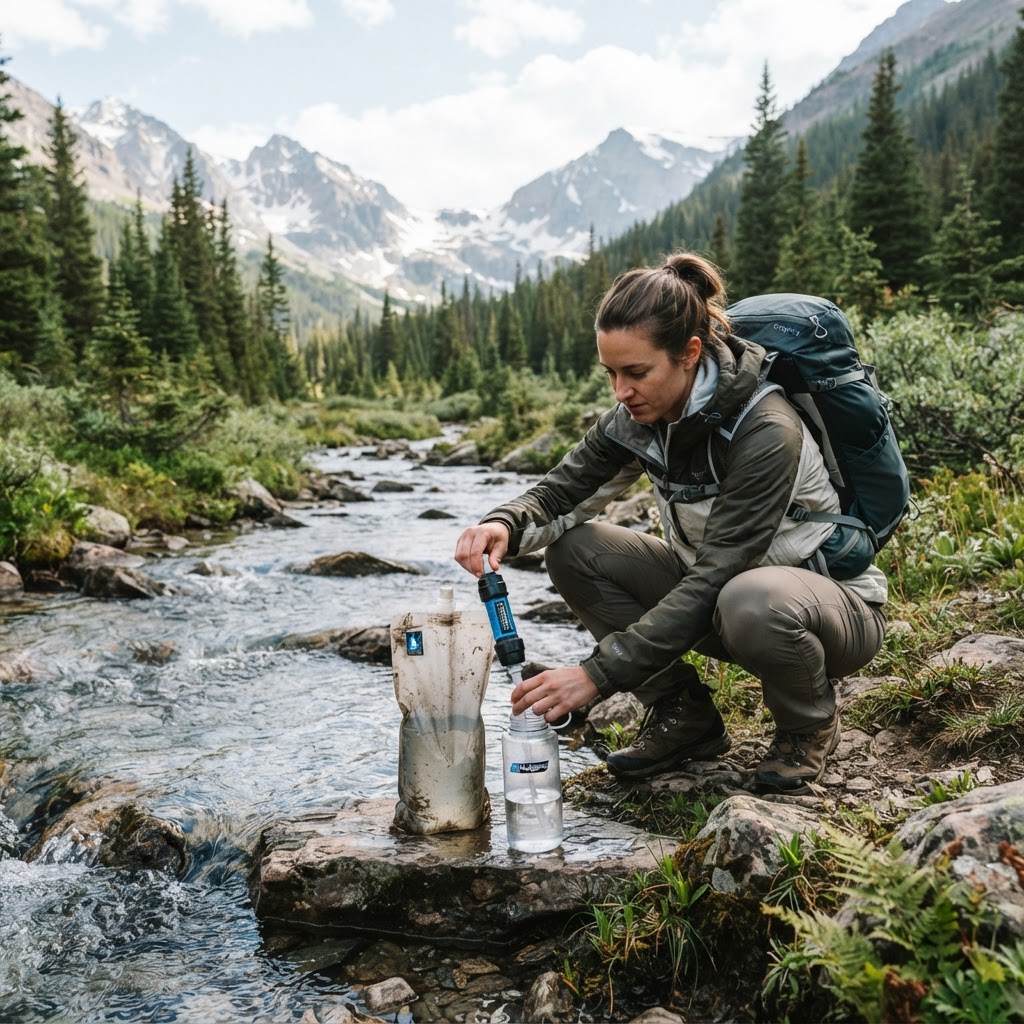
When you are deep in the backcountry, carrying enough water for a multi-day trip is impossible due to weight. This is where mastering water filtration systems for hiking becomes a critical skill for any outdoor enthusiast. Whether you are exploring remote trails or how to plan a backcountry camping trip, access to clean, safe drinking water is the most important survival factor. Without a reliable way to remove bacteria, protozoa, and viruses, you risk severe illness that can turn a dream adventure into a life-threatening emergency. In this guide, we break down the best technology, testing criteria, and top-rated systems to keep you hydrated and healthy.
Understanding the Threats: Why You Need to Filter
Natural water sources often look crystal clear, but they are frequently contaminated with pathogens like Giardia, Cryptosporidium, and E. coli. These microscopic hitchhikers come from wildlife feces, livestock runoff, and soil bacteria. While hiking essentials for summer often focus on clothing and navigation, your filtration system is your primary line of defense against waterborne disease.
Types of Water Filtration and Purification Systems
Hollow Fiber Membranes (Microfilters)
These are the most popular systems for weight-conscious hikers. They work by pushing water through tiny tubes that trap bacteria and protozoa. They are lightweight and fast but do not typically kill viruses.
Chemical Tablets and Drops
Chlorine dioxide tablets or iodine drops are excellent backups. They are extremely lightweight and effective against viruses, but they take time to work—often up to four hours for full efficacy against parasites like Cryptosporidium.
UV Purifiers
Using ultraviolet light, these devices disrupt the DNA of pathogens, rendering them harmless. They are incredibly fast but require battery power and clear water to be fully effective.
Gravity Filters
Perfect for groups or families, these systems use gravity to pull water through a filter. If you are camping with kids checklist in mind, this is your best option as it produces high volumes of water with minimal physical effort.
How to Choose the Right System for Your Needs
Consider your trip type, group size, and location. For solo ultralight hikers, a squeeze-style filter is sufficient. If you are exploring sustainable travel in national parks, ensure you choose a reusable system to reduce single-use plastic waste. Many hikers also opt for eco-friendly outdoor gear brands that prioritize long-lasting filter elements.
Essential Maintenance Tips
- Backflush regularly: Ensure you know how to clean your filter's membrane on the trail.
- Avoid freezing: If a hollow fiber filter freezes while wet, the expanding ice can crack the membrane, rendering it useless.
- Dry thoroughly: Store your filters completely dry to prevent mold growth between trips.
Packing Your Gear
When preparing for your next trip, don't just focus on the best hiking backpacks for women; ensure your hydration setup is easily accessible. If you plan on survival cooking tools to have during your trip, remember that boiling is a viable, albeit fuel-intensive, method of purification. If you are preparing for a relaxing trip involving campfire cooking tips and tricks, a large gravity filter setup will serve you well. For those organizing what to pack for a camping weekend, never leave home without an extra chemical backup.
Frequently Asked Questions
1. Can I drink from a running stream without filtering?
No. Even fast-moving water can contain high levels of pathogens. Always filter or purify to avoid illness.
2. Do I need to remove viruses?
In most parts of North America, bacterial and protozoan protection is sufficient. If you travel internationally, ensure your system also removes viruses.
3. How often should I replace my filter?
Most filters have a liter capacity rating (e.g., 1,000 liters). Track your usage and replace the cartridge when you reach the manufacturer's limit.
4. What is the difference between filtering and purifying?
Filtering removes physical contaminants and pathogens like bacteria/protozoa. Purifying additionally kills viruses, which are too small for standard microfilters.
Disclosure: Some links in this article may be affiliate links. If you purchase through them, we may earn a commission at no extra cost to you.