what to pack for a camping weekend
Embarking on a camping trip, even just for a weekend, is an incredible way to disconnect from the daily grind and reconnect with nature. But before you can enjoy the crackling campfire and starry skies, you need to ensure you have the right gear.
August 3, 2026
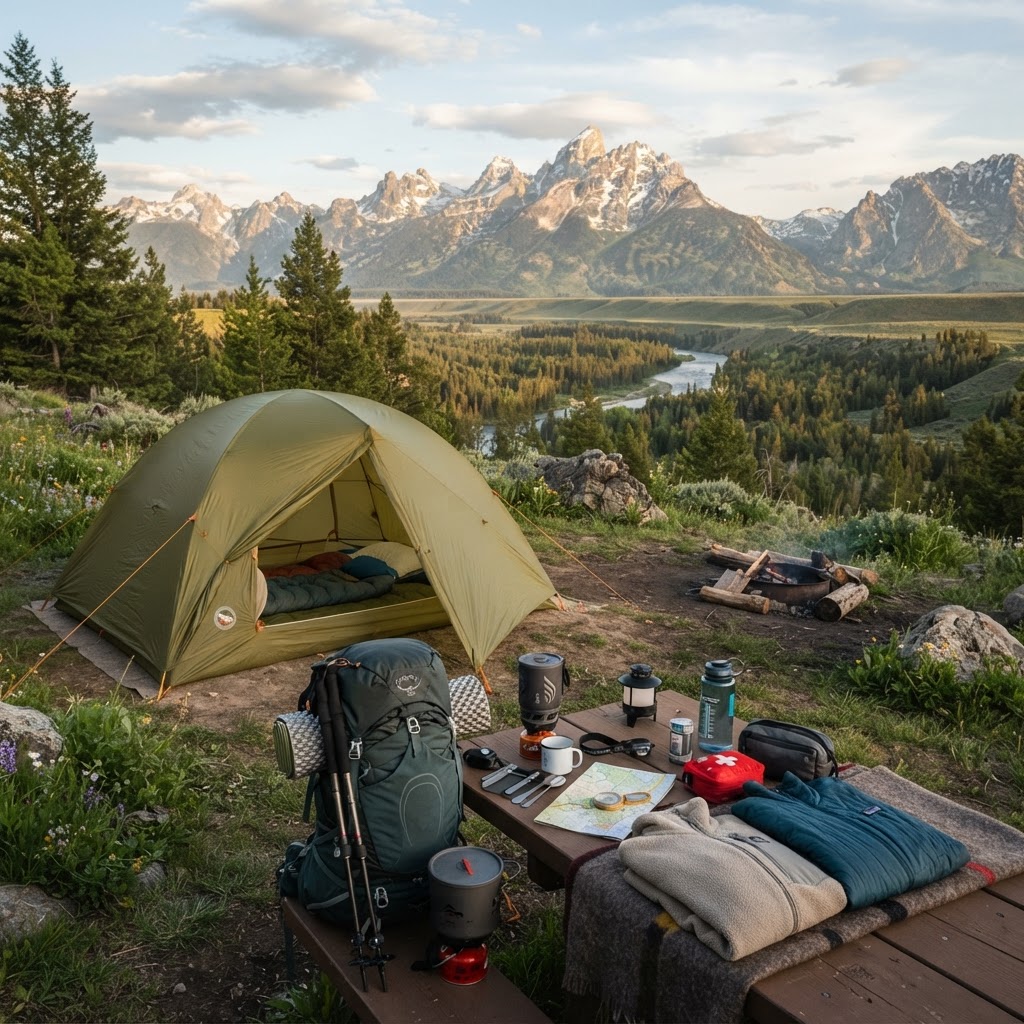
What to Pack for a Camping Weekend
Embarking on a camping trip, even just for a weekend, is an incredible way to disconnect from the daily grind and reconnect with nature. But before you can enjoy the crackling campfire and starry skies, you need to ensure you have the right gear. Knowing what to pack for a camping weekend can feel overwhelming, especially if you're new to the outdoors. This comprehensive guide will break down everything you need, from essential shelter and sleeping arrangements to cooking equipment and personal items, ensuring your short adventure is comfortable, safe, and memorable. We'll cover the must-haves and helpful extras, tailored for a 2-3 day getaway.
The Absolute Essentials: Shelter, Sleep, and Safety
These are the non-negotiables. Without these, your weekend camping trip might be a lot less enjoyable, or even unsafe.
Shelter: Your Home Away From Home
Your tent is your primary shelter from the elements. For a weekend trip, consider the size and ease of setup. Investing in a quality tent is crucial for comfort and protection.
- Tent: Choose a tent that's slightly larger than the number of people expected to sleep in it for extra comfort. For families, consider options like the best family camping tents. Ensure it's waterproof and has good ventilation.
- Footprint/Ground Tarp: Placed under your tent, this protects the tent floor from abrasion and moisture, extending its lifespan.
- Tent Stakes & Guylines: Most tents come with these, but having extras or sturdier ones can be beneficial, especially in windy conditions.
Sleeping System: Cozy Comfort Under the Stars
Getting a good night's sleep is vital. The right sleeping gear will make all the difference.
- Sleeping Bag: Choose a sleeping bag rated for the expected nighttime temperatures. If you tend to get cold, opt for a bag with a lower temperature rating than you anticipate needing.
- Sleeping Pad: This is essential for both comfort and insulation. It provides a cushion between you and the hard ground, and more importantly, prevents body heat from escaping into the cold earth.
- Pillow: While you can improvise, a camping pillow or even a stuff sack filled with soft clothes can significantly improve sleep quality.
Safety First: Be Prepared for Anything
Safety should always be your top priority when venturing outdoors. Being prepared can prevent minor issues from becoming major problems.
- First-Aid Kit: A well-stocked kit is non-negotiable. Include bandages, antiseptic wipes, pain relievers, gauze, medical tape, any personal medications, and consider adding blister treatment and insect bite relief.
- Navigation Tools: Even for a short trip, know where you are going. This includes a map of the area, a compass, and a GPS device or smartphone with downloaded offline maps.
- Headlamp or Flashlight: Crucial for navigating your campsite after dark, finding things in your tent, or for late-night bathroom breaks. Always pack extra batteries.
- Multi-tool or Knife: Incredibly versatile for repairs, food preparation, and various other tasks. A good multi-tool can be a lifesaver.
- Sun Protection: Sunscreen, sunglasses, and a wide-brimmed hat are important, even on cloudy days, to protect against UV exposure.
- Insect Repellent: Essential for warding off mosquitoes, ticks, and other biting insects, especially in warmer months.
- Fire Starter: Waterproof matches, a lighter, and/or a ferro rod. Knowing survival skills every outdoor adventurer should know can be invaluable here.
Clothing: Layering for Comfort and Versatility
Weather can change rapidly, especially in the outdoors. Packing layers allows you to adapt to varying temperatures and conditions.
Base Layers
These are worn next to your skin and are designed to wick moisture away. Avoid cotton, as it holds moisture and can make you cold.
- Moisture-Wicking T-shirts & Long-Sleeve Shirts: Synthetic materials or merino wool are excellent choices.
- Thermal Underwear (Top & Bottom): Essential for cooler evenings and mornings, or if overnight temperatures are expected to drop significantly.
Mid Layers
These provide insulation and warmth.
- Fleece Jacket or Pullover: A classic choice for its warmth and breathability.
- Insulated Vest: Adds core warmth without restricting arm movement.
Outer Layers
These protect you from wind and rain.
- Waterproof & Windproof Jacket: A breathable rain shell is essential. Look for features like adjustable hoods and cuffs.
- Waterproof Pants: Keep your legs dry and comfortable during rain showers.
Bottoms
- Hiking Pants or Shorts: Durable, quick-drying materials are best. Convertible pants (that zip off into shorts) offer versatility.
- Comfortable Camp Pants/Sweatpants: For relaxing around the campfire or sleeping.
Footwear
Proper footwear is critical for comfort and preventing injuries. Consider the terrain and weather.
- Hiking Boots or Trail Shoes: Broken-in and comfortable. For wet conditions, check out the top hiking boots for wet weather.
- Camp Shoes/Sandals: Something comfortable to wear around the campsite, allowing your feet to breathe.
- Socks: Several pairs of wool or synthetic hiking socks. Avoid cotton!
Other Clothing Items
- Hat: A warm beanie for cold weather, and a sun hat for warm, sunny days.
- Gloves: Lightweight or insulated, depending on the expected temperatures.
- Bandana or Buff: Can be used as a headband, neck gaiter, or for various other purposes.
Cooking and Food: Fueling Your Adventure
Camping food doesn't have to be complicated. A well-planned meal system makes cooking enjoyable and efficient.
Cooking Equipment
Having the right tools makes outdoor cooking a breeze. Explore our guide to outdoor cooking gear for camping.
- Camp Stove & Fuel: A reliable camp stove is essential. Ensure you have enough fuel for your trip.
- Cookware: A pot and/or pan suitable for camping. Nesting sets are great for saving space.
- Utensils: Spatula, stirring spoon, knife, cutting board. Consider multi-functional tools.
- Plates, Bowls, Mugs: Reusable options are best for how to reduce waste while camping.
- Biodegradable Soap & Sponge: For cleaning up.
- Water Bottles or Hydration Reservoir: Stay hydrated. Consider a water filter or purification tablets if you'll be near a water source.
- Cooler & Ice Packs: To keep perishable food fresh.
- Trash Bags: Pack it in, pack it out! Essential for Leave No Trace principles.
Food Storage
- Bear Canister or Bear Bag (if required): Crucial in bear country to protect your food and wildlife.
- Resealable Bags & Containers: For organizing and storing food.
Meal Planning
Plan your meals ahead of time to avoid overpacking or underpacking food. Simple, one-pot meals are ideal for weekend trips. Think about breakfast, lunch, dinner, and snacks. Having some survival cooking tools to have can be very useful.
Personal Items & Hygiene: Staying Comfortable and Clean
These items contribute to your overall comfort and well-being.
Toiletries
Keep it minimal and eco-friendly.
- Toothbrush & Biodegradable Toothpaste
- Small Bar of Soap or Biodegradable Body Wash
- Small Towel (quick-drying)
- Toilet Paper: Pack more than you think you'll need, and store it in a waterproof bag.
- Hand Sanitizer
- Personal Medications
- Any other personal hygiene items (e.g., contact lenses and solution, feminine hygiene products)
Comfort Items
- Camp Chair: For comfortable seating around the fire or campsite.
- Book or Games: For downtime.
- Camera: To capture memories.
- Portable Power Bank: To charge electronics like phones or GPS devices.
Optional, But Recommended Items
These aren't strictly essential for survival, but they can greatly enhance your camping experience.
- Camp Table: Provides a stable surface for cooking and eating.
- Lantern: For ambient light around the campsite.
- Hammock: For ultimate relaxation.
- Duct Tape: The ultimate repair tool.
- Rope or Cordage: Useful for clotheslines, securing gear, and more.
- Camp Axe or Saw: For processing firewood (check regulations first).
- Binoculars: For wildlife viewing.
- Camp Shovel: For digging catholes for waste or managing a campfire.
Packing Strategy: The Minimalist Approach for a Weekend
For a weekend trip, the goal is to pack efficiently without sacrificing comfort or safety. Consider the minimalist hiking gear checklist for inspiration.
- Multi-use Items: Opt for gear that serves multiple purposes (e.g., a bandana as a pot holder, a buff as a hat). This is a core principle of how to start eco-living on a budget.
- Test Your Gear: Before you leave, set up your tent and test your stove to ensure everything is in working order.
- Pack in Layers: Organize your backpack or duffel bag so that items you need quick access to are at the top.
- Waterproof Everything: Use dry bags or sturdy plastic bags to protect sensitive items like electronics, matches, and extra clothing.
- Share Gear: If camping with others, coordinate to avoid duplicating heavy or bulky items like tents, stoves, or first-aid kits.
Final Thoughts: Enjoy Your Weekend Escape
Packing for a camping weekend doesn't have to be a chore. By following this guide, you can ensure you have all the necessary items for a comfortable and safe adventure. Remember to always practice Leave No Trace principles to help preserve the beauty of our natural spaces for future generations. So, pack smart, leave your worries behind, and enjoy the great outdoors!
Frequently Asked Questions (FAQ)
Q1: What is the most important thing to pack for a camping weekend?
A1: The most important thing to pack is a comprehensive first-aid kit. While shelter, food, and water are crucial, having a well-stocked first-aid kit ensures you can handle minor injuries or emergencies, making your trip safe and enjoyable.
Q2: How much food should I pack for a two-day camping trip?
A2: For a two-day (which typically means two breakfasts, two lunches, and two dinners) camping trip, plan for three meals per day plus snacks. Pack non-perishable, easy-to-prepare items. It's always better to have a little extra than to run out.
Q3: What if I forget something important for my camping trip?
A3: Assess the item's necessity. If it's critical for safety (like a first-aid item or navigation tool), see if it can be purchased at a nearby general store or outdoor shop. For comfort items, you might have to make do or improvise. This is where knowing basic survival skills every outdoor adventurer should know can be very useful.
Q4: How do I keep my tent organized on a short camping trip?
A4: Use stuff sacks or packing cubes for different categories of gear (clothes, toiletries, food). Keep essentials like your headlamp and multi-tool easily accessible. A small collapsible bin can also serve as a