how to start eco-living on a budget
Discover how to start eco-living on a budget by implementing simple, sustainable habits that save you money and protect the planet.
July 30, 2026
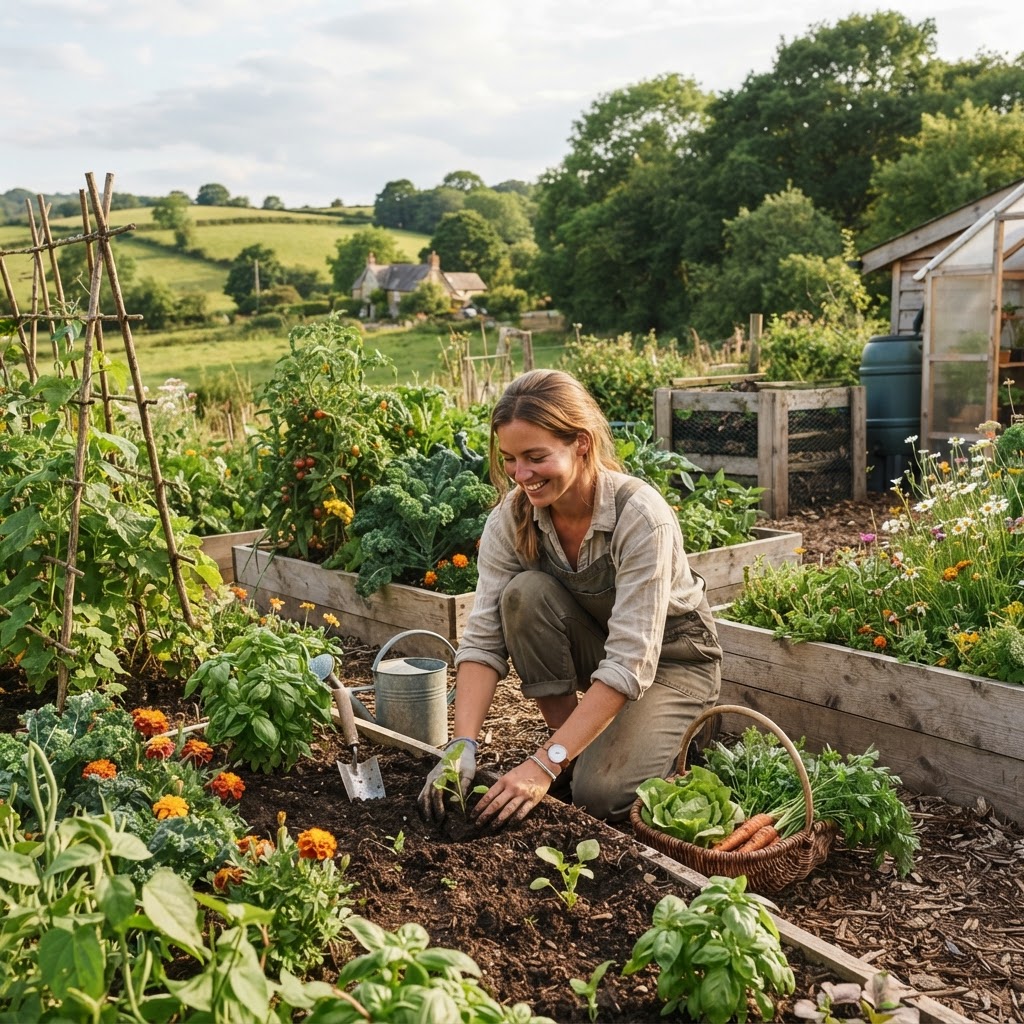
Introduction to Sustainable Living Without Breaking the Bank
Many people believe that adopting a sustainable lifestyle requires expensive equipment or pricey organic food, but learning how to start eco-living on a budget is actually about shifting your mindset. Eco-living is fundamentally about consumption reduction, which paradoxically saves you money. By prioritizing experiences over material goods and intentional shopping over impulse buys, you can significantly reduce your environmental footprint while padding your savings account. Whether you are prepping for a prepping for a national park road trip or simply trying to make your daily home life greener, small, consistent changes have the biggest impact.
The Power of Minimalism
At the core of eco-living is the concept of 'less is more.' Minimalism isn't just about aesthetic; it is about questioning every purchase. Before buying something new, ask yourself if it is a necessity or a want. When you do need gear, look into a minimalist hiking gear checklist to understand how to maximize utility without unnecessary clutter. By avoiding fast fashion and cheap plastic goods, you save money and keep waste out of landfills.
Rethinking Your Kitchen Habits
Food waste is one of the biggest contributors to household environmental impact. Start by meal planning to ensure you only buy what you will eat. Buying in bulk not only saves money but also reduces packaging. When considering popular outdoor cooking methods, focus on simple, whole foods. If you enjoy time in nature, learning how to reduce waste while camping is a crucial skill that also translates well to your kitchen at home. Investing in a few pieces of high-quality outdoor cooking gear for camping once is far cheaper than buying disposable options every time you head into the wilderness.
Energy Efficiency at Home
Your home is the easiest place to start saving energy. Small tweaks like switching to LED bulbs, unplugging 'vampire' electronics, and line-drying your clothes can shave dollars off your utility bill every month. You do not need to install expensive solar panels to start living greener; you just need to be more conscious of your daily consumption patterns. Proper insulation and mindful temperature control are free habits that yield long-term financial and ecological rewards.
Conscious Adventure Travel
For outdoor enthusiasts, being eco-conscious doesn't mean stopping your adventures. It means changing how you adventure. Consider choosing locations closer to home to reduce carbon emissions from transportation. When packing, use an adventure travel packing guide to ensure you only bring essentials, keeping your pack light and efficient. Even something as small as choosing the right camping light options for backpackers, such as solar-powered or rechargeable LED lanterns, can eliminate the need for disposable batteries.
Shopping Secondhand and Upcycling
One of the most effective ways to lower your ecological footprint is by extending the lifecycle of products. From clothing to outdoor equipment, purchasing secondhand items saves resources and money. Before buying brand new, check online marketplaces or local thrift stores. Many best family camping tents can be found in excellent condition on the used market for a fraction of the original price. Learning to repair your gear is another essential skill; look into survival skills every outdoor adventurer should know to learn how to patch tents or fix stoves instead of discarding them.
Getting Active in Nature
Eco-living is a lifestyle that promotes health and wellness. Instead of gym memberships or expensive indoor hobbies, utilize the public trails available to you. Exploring the best hiking trails for beginners provides excellent exercise and mental health benefits for free. Being out in nature also fosters a deeper appreciation for the environment, which naturally encourages a more sustainable lifestyle.
FAQ Section
Does eco-living really save money?
Yes. By reducing consumption, buying less, and choosing long-lasting items, you naturally spend less money over time compared to the constant cycle of buying and discarding disposable products.
Is it hard to start living sustainably?
It is as hard as you make it. Start with one or two small changes, such as composting or eliminating single-use plastics, and build from there. It is a journey, not a destination.
Can I be eco-friendly if I am on a very tight budget?
Absolutely. Some of the most sustainable actions, such as using less water, turning off lights, and walking instead of driving, are completely free.
Where can I find affordable eco-friendly gear?
Check local thrift stores, gear swap groups on social media, and online marketplaces. Many people sell high-quality, lightly used outdoor gear for very affordable prices.
Disclosure: Some links in this article may be affiliate links. If you purchase through them, we may earn a commission at no extra cost to you.