camping light options for backpackers
Choosing the right light is crucial for backpackers. Explore our comprehensive guide to camping light options, comparing headlamps, lanterns, and other portable solutions to brighten your wilderness journey.
July 23, 2026
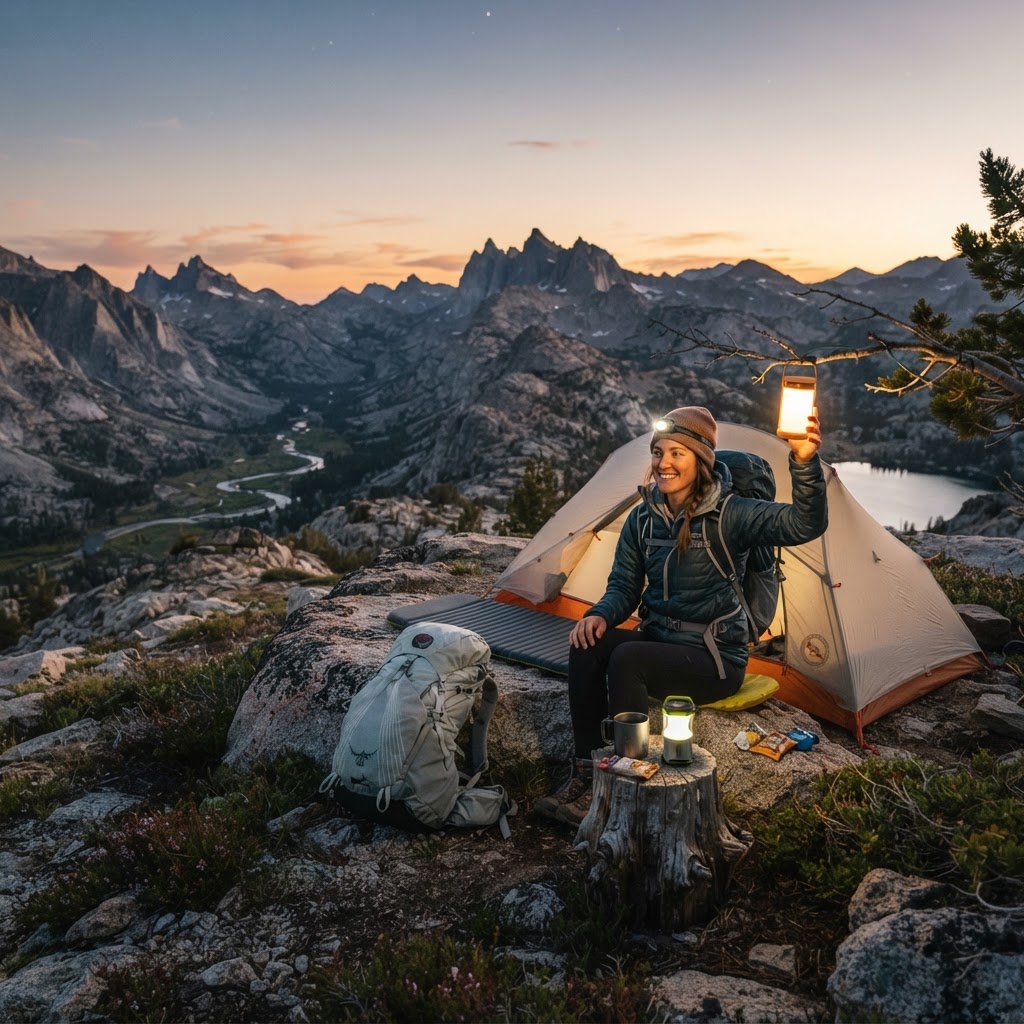
Embarking on a backpacking trip into the heart of the wilderness is an exhilarating experience, but as dusk settles, reliable illumination becomes less of a luxury and more of a necessity. Choosing the right camping light options for backpackers is crucial for safety, navigation, camp tasks, and even enhancing the ambiance of your backcountry retreat. The right light can make the difference between a seamless evening and a frustrating fumbling in the dark. With an overwhelming array of choices on the market, understanding the nuances of different lighting solutions is key to making an informed decision that perfectly suits your adventure style and ultralight aspirations.
From hands-free headlamps to versatile lanterns and compact flashlights, each lighting option offers unique advantages and disadvantages for the discerning backpacker. This comprehensive guide will delve deep into the world of portable illumination, comparing the best options available, highlighting critical features, and offering practical advice to ensure you never get left in the dark.
Why Reliable Lighting is Crucial for Backpackers
For anyone venturing into the wilderness, especially on multi-day trips, reliable lighting is more than just a convenience; it's a fundamental safety tool. Here's why:
- Navigation and Safety: When daylight fades, even familiar trails can become treacherous. A good light source helps you identify hazards, stay on the path, and avoid falls. It's an indispensable component of any creating a survival kit for hiking trips.
- Camp Setup and Breakdown: Pitching a tent, organizing gear, or breaking camp in low light conditions can be a struggle without adequate illumination. Hands-free options are particularly valuable here.
- Cooking and Hydration: Preparing meals and purifying water are essential camp chores that require good visibility. Trying to cook with inadequate light can be inefficient and even dangerous, especially with hot liquids or sharp utensils. You might also want to consult guides on popular outdoor cooking methods for evening meals.
- Emergency Situations: In an unexpected emergency, such as a lost trail, injury, or unexpected nightfall, a reliable light can be a beacon for rescuers or help you signal for assistance.
- Comfort and Enjoyment: Beyond the practicalities, a well-lit camp enhances the overall experience. Reading, journaling, or simply enjoying the starry sky from the comfort of your tent are all made better with the right light.
Just as you meticulously plan your adventure travel packing guide, selecting the right light requires careful consideration of your specific trip and needs.
Types of Camping Lights for Backpackers
Let's break down the primary categories of lighting suitable for backpacking:
Headlamps: The Backpacker's Best Friend
The headlamp is arguably the quintessential backpacking light. Its hands-free operation makes it indispensable for setting up camp in the dark, cooking a meal, or navigating a moonless trail. They are compact, lightweight, and designed for directional lighting.
Pros:
- Hands-free: The biggest advantage, allowing you to perform tasks without needing to hold a light.
- Directional Light: The beam follows your line of sight.
- Lightweight & Compact: Easily fits into any pack.
- Versatile: Many models offer multiple light modes (spot, flood, red light, strobe).
Cons:
- Limited Area Illumination: Primarily designed to light what you're looking at, not a wide area.
- Battery Life: High-lumen settings can drain batteries quickly.
Key Features to Look For:
- Lumens: For general backpacking, 100-300 lumens is often sufficient. Higher lumens are good for technical activities or faster movement. For example, the Black Diamond Spot 400 Headlamp offers a powerful beam.
- Beam Type: Look for a combination of spot (focused for distance) and flood (wide for close-up tasks) beams.
- Battery Type & Life: Rechargeable (USB-C is common now) vs. disposable AA/AAA. Consider models with a long battery life on lower settings.
- IPX Rating: Indicates water resistance. IPX4 is splash-resistant, IPX7 is submersible. Aim for at least IPX4.
- Weight: Every gram counts for backpackers.
- Red Light Mode: Preserves night vision and is less disruptive to others in camp.
Lanterns (Compact & Lightweight)
While traditional lanterns might seem too bulky for backpacking, modern advancements have introduced compact, lightweight, and often collapsible LED lanterns perfect for illuminating your tent or campsite. They provide ambient, 360-degree light.
Pros:
- Area Illumination: Great for lighting up a tent or small campsite, fostering a sense of community.
- Comfort: Provides a softer, more even light than a headlamp.
- Versatile: Many can be hung inside tents or from branches.
Cons:
- Not Hands-Free: Requires a surface or hanging point.
- Less Directional: Not ideal for trail navigation.
- Bulkier: Even compact models are generally larger than headlamps.
Key Features to Look For:
- Collapsible/Inflatable Design: Saves space in your pack, like the popular Luci Outdoor 2.0 Inflatable Solar Lantern.
- Brightness Settings: Dimmable options to conserve battery or adjust ambiance.
- Hook/Loop for Hanging: Essential for tent lighting.
- Power Source: Rechargeable via USB, solar-powered, or battery-operated.
Flashlights (Compact & Rechargeable)
Though often overshadowed by headlamps, a compact flashlight can be a valuable secondary light source or a primary choice for those who prefer holding their light. Modern LED flashlights are incredibly bright and efficient.
Pros:
- Powerful Beam: Often offers a more focused and intense beam than a headlamp.
- Durability: Many are built to be extremely robust.
- Tactical Applications: Some models have specific features useful in emergencies.
Cons:
- Not Hands-Free: Requires one hand to operate.
- Less Convenient: Can be awkward for camp tasks.
Key Features to Look For:
- Lumens & Throw: How bright it is and how far the beam reaches.
- Size & Weight: Prioritize compact, lightweight models for backpacking. The Streamlight MicroStream USB Rechargeable Flashlight is a great example of a compact, bright option.
- Rechargeable: USB charging is a must for convenience.
- Durability: Look for aircraft-grade aluminum construction and good water resistance.
String Lights/Fairy Lights (Mood Lighting)
For those who prioritize camp ambiance and are willing to carry a little extra, lightweight LED string lights can transform a campsite into a cozy haven. They’re not for primary illumination but excel at creating a welcoming atmosphere.
Pros:
- Ambiance: Creates a warm, inviting glow.
- Decorative: Adds a personal touch to your camp.
- Low Power Draw: Usually very energy-efficient.
Cons:
- Minimal Practical Light: Not suitable for tasks or navigation.
- Added Weight/Bulk: A luxury item.
Key Features to Look For:
- USB Rechargeable: Avoids carrying extra batteries.
- Compact Storage: Look for models that pack down small, like the Goal Zero Crush Light Chroma, which can often double as a small lantern.
- Durability: Especially water-resistant for outdoor use.
Solar-Powered Lights
Embracing sustainability, solar-powered lights offer an eco-friendly way to keep your camp illuminated, particularly on longer trips where resupply is difficult. These often come in lantern or string light formats, though some headlamps also feature small solar panels.
Pros:
- Sustainable: Harnesses renewable energy.
- Cost-Effective: No need for disposable batteries.
- Reliable for Extended Trips: As long as there's sun.
Cons:
- Reliance on Sunlight: Performance suffers in cloudy weather or dense forest.
- Charging Time: Can take several hours to fully charge.
- Often Lower Output: May not be as bright as battery-powered alternatives.
Key Features to Look For:
- Efficient Solar Panel: Larger panels generally charge faster.
- Battery Capacity: A good internal battery ensures power even after dark.
- Integrated Design: All-in-one units like the Luci Inflatable Solar Lantern mentioned earlier are excellent examples of best outdoor gear for eco-conscious campers.
Multi-purpose Lights (e.g., Power Bank + Light)
Innovation has led to many gear items pulling double duty. Some lights now integrate features like a power bank for charging your phone or other small electronics, a bug zapper, or even a Bluetooth speaker. While these can add weight, their versatility might be appealing for some.
Pros:
- Space Saving: Reduces the number of items you need to carry.
- Convenience: All-in-one solution.
Cons:
- Added Weight: The extra features often come with a weight penalty.
- Single Point of Failure: If one component breaks, you might lose both functions.
Key Features to Look For:
- Battery Capacity: Ensure the power bank component has sufficient mAh for your needs.
- Weight-to-Function Ratio: Evaluate if the added features justify the extra weight for your specific trip. For example, some compact lanterns like the Goal Zero Lighthouse Micro Flash combine a flashlight and lantern with USB charging capability.
Key Factors When Choosing Your Backpacking Light
Making the best choice comes down to balancing several critical factors against your personal needs and trip specifics.
Weight and Size
For backpackers, every ounce counts. Opt for the lightest and most compact option that still meets your performance requirements. Headlamps typically win in this category, followed by collapsible lanterns and mini-flashlights. Consider the overall volume a light takes up in your pack, not just its weight.
Lumens and Beam Type
- Lumens: A measure of brightness. For general camp tasks and walking, 50-150 lumens is fine. For night hiking or searching, 200-400+ lumens might be desirable. Don't fall into the trap of always needing the brightest; often, lower lumens are sufficient and save battery.
- Beam Type:
- Spot Beam: Concentrated, good for distance and navigation.
- Flood Beam: Wide, diffused light, ideal for close-up tasks like cooking or reading.
- Red Light: Essential for preserving night vision and not disturbing others in camp or wildlife. Many headlamps have this feature.
Battery Life and Power Source
This is paramount for multi-day trips.
- Rechargeable Batteries (USB-C): Increasingly popular and convenient. Look for models with integrated USB-C charging. Consider carrying a lightweight power bank like an Anker PowerCore Slim 10000 to top up your devices and lights. This is especially useful for a long weekend, or even prepping for a national park road trip.
- Disposable Batteries (AA/AAA): Reliable, easy to swap out, but generate waste. Carry spares. Make sure to dispose of them properly and consider building an eco-friendly campsite.
- Hybrid Systems: Some lights can use both rechargeable packs and disposable batteries, offering excellent flexibility.
Durability and Water Resistance (IPX Rating)
Your light will be exposed to the elements. Look for:
- Robust Construction: Impact-resistant materials that can withstand drops.
- IPX Rating: Indicates resistance to dust and water. IPX4 (splash-proof) is a minimum for backpacking, but IPX7 (submersible) offers superior protection against heavy rain or accidental drops in puddles.
Ease of Use and Features
- Simple Interface: Intuitive buttons for changing modes, even with gloves on.
- Lock Mode: Prevents accidental activation in your pack.
- Dimming: Ability to adjust brightness for different tasks and battery conservation.
- Battery Indicator: Essential for monitoring remaining power.
Cost
While budget is always a factor, consider your light an investment in safety and comfort. Higher-end models often offer better durability, features, and battery performance. However, there are excellent mid-range options that provide great value.
Tips for Maximizing Your Backpacking Light's Performance
Once you've chosen your ideal light, here's how to get the most out of it:
- Carry a Backup: Always have a small, lightweight backup light (even a tiny keychain flashlight) or a fully charged secondary headlamp. This is non-negotiable for safety.
- Spare Batteries/Power Bank: If using disposable batteries, pack spares. If rechargeable, carry a power bank or ensure you have charging capabilities.
- Protect from Elements: Keep your light in a dry bag or a protected pocket when not in use, especially if its IPX rating isn't top-tier.
- Use Red Light Wisely: Engage red light mode whenever possible to preserve night vision and avoid blinding fellow campers.
- Test Before You Go: Always ensure your lights are fully charged and functioning before hitting the trail.
- Learn Your Light: Familiarize yourself with all its modes and functions before you're fumbling in the dark.
Recommended Setups for Different Trips
Ultralight Thru-Hike
- Primary: An ultralight, rechargeable headlamp (150-250 lumens) with a red light mode. Prioritize weight and battery efficiency. Consider models that use a standard rechargeable battery that can be swapped out with a spare or charged via a small solar panel or power bank.
- Backup: A tiny, coin-cell powered keychain flashlight.
Weekend Backpacking Trip
- Primary: A versatile rechargeable headlamp (200-400 lumens) with multiple beam patterns and a robust IPX rating.
- Secondary/Camp: A compact, collapsible LED lantern for ambient tent or camp lighting. Many options are USB rechargeable.
- Backup: A small, reliable flashlight or a basic disposable battery headlamp.
Family or Group Backpacking
- Primary (Each Person): A comfortable, reliable headlamp with red light for each family member.
- Camp Lighting: One or two larger, brighter rechargeable lanterns for the main camp area, possibly with string lights for ambiance.
- Emergency: A powerful, durable flashlight or a multi-purpose lantern that can also charge devices.
FAQ: Your Backpacking Light Questions Answered
Q1: How many lumens do I really need for backpacking?
A: For most backpacking activities like setting up camp, cooking, and walking on trails, 100-200 lumens is perfectly adequate. If you plan on technical night hiking, route finding, or moving quickly in unfamiliar terrain, 300-500 lumens might be more appropriate. Remember that higher lumens drain batteries faster, so having multiple settings is key.
Q2: Is it better to have a rechargeable light or one that uses disposable batteries?
A: Both have merits. Rechargeable lights (especially USB-C compatible) are more eco-friendly and convenient for shorter trips or if you carry a power bank. They're part of building an eco-friendly campsite. Lights using disposable batteries (AA/AAA) are excellent for extended trips where charging might be impossible, as you can easily swap in new batteries. Many modern lights offer hybrid systems, allowing for both.
Q3: What is an IPX rating, and how important is it for a camping light?
A: The IPX rating indicates a light's resistance to water ingress. IPX4 means splash-resistant (good for light rain), while IPX7 means it can be submerged in up to 1 meter of water for 30 minutes. For backpacking, an IPX4 rating is a minimum, but an IPX7 or higher provides superior protection against heavy downpours or accidental drops in water, ensuring your light works when you need it most.
Q4: Should I bring a headlamp and a lantern, or just one?
A: For most multi-day backpacking trips, bringing both a headlamp and a compact lantern (or a light with both functions) is the ideal setup. The headlamp is indispensable for hands-free tasks and navigation, while the lantern provides comfortable ambient lighting for your tent or shared camp space, significantly enhancing comfort and usability after dark.
Q5: How can I make my light's battery last longer?
A: Always use the lowest necessary brightness setting; often, less light is needed than you think. Utilize the red light mode to preserve night vision when moving around camp. Turn off your light when not in active use. In colder temperatures, keep spare batteries (or the light itself) close to your body to prolong their life, as cold reduces battery efficiency.
Conclusion
Selecting the perfect camping light options for backpackers is a decision that significantly impacts your safety, comfort, and overall enjoyment in the wilderness. By understanding the different types of lights available – from the indispensable headlamp to the cozy camp lantern – and evaluating them against critical factors like weight, lumens, battery life, and durability, you can confidently choose the illumination that best suits your needs.
Remember, your light isn't just about seeing in the dark; it's about navigating safely, performing essential tasks with ease, and creating a memorable experience under the stars. Invest wisely, plan ahead, and let your chosen light guide you through countless wilderness adventures with SaveLGW Wilderness.
Disclosure: Some links in this article may be affiliate links. If you purchase through them, we may earn a commission at no extra cost to you.