building an eco-friendly campsite
Discover how to build an eco-friendly campsite and embrace sustainable outdoor adventures. Learn essential Leave No Trace principles and practical tips for minimizing your impact.
July 13, 2026
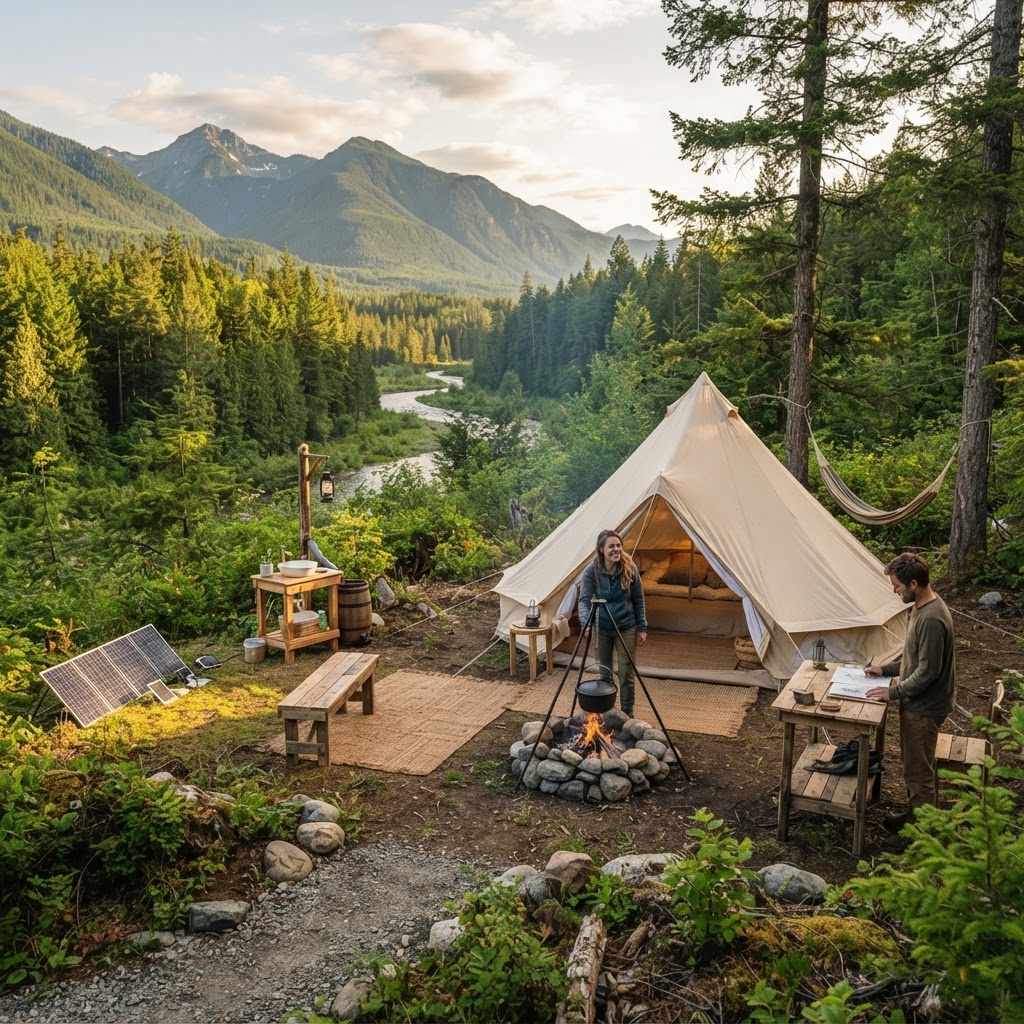
Building an Eco-Friendly Campsite: Your Guide to Sustainable Adventures
Embarking on an outdoor adventure is a fantastic way to connect with nature, but it comes with a responsibility to protect the very environment we cherish. Building an eco-friendly campsite isn't just a trend; it's a crucial practice for preserving wild spaces for future generations. As outdoor enthusiasts, we can significantly reduce our impact by making conscious choices before, during, and after our trips. This guide will walk you through everything you need to know to set up a campsite that leaves no trace and respects the delicate ecosystems around you.
Understanding the Principles of Leave No Trace
Before we delve into the specifics of building an eco-friendly campsite, it's essential to grasp the core principles of Leave No Trace (LNT). These seven principles are the bedrock of responsible outdoor recreation:
- Plan Ahead and Prepare: This involves researching your destination, understanding regulations, packing appropriately (including essentials like survival gear for winter hiking if applicable), and knowing the weather forecast. Proper planning minimizes unexpected impacts.
- Travel and Camp on Durable Surfaces: Stick to established trails and campsites. Avoid trampling vegetation and sensitive areas. When camping, use existing fire rings and tent pads whenever possible.
- Dispose of Waste Properly: Pack it in, pack it out. This applies to all trash, food scraps, and even biodegradable items. Properly dispose of human waste by digging catholes or using designated facilities.
- Leave What You Find: Resist the urge to take natural souvenirs like rocks, plants, or artifacts. Observe and appreciate, but do not disturb.
- Minimize Campfire Impacts: Use established fire rings. Keep fires small and manageable. Ensure fires are completely out before leaving.
- Respect Wildlife: Observe animals from a distance. Never feed them, as it disrupts their natural behaviors and diets. Store food securely to prevent attracting animals.
- Be Considerate of Other Visitors: Keep noise levels down and respect others' experiences. Follow hiking etiquette in national parks to ensure a positive experience for everyone.
These LNT principles are the foundation for building any campsite, especially an eco-friendly one.
Choosing the Right Location for Your Eco-Campsite
Location is paramount when building an eco-friendly campsite. The goal is to minimize your footprint on the natural environment. This means selecting a spot that is already accustomed to human use or is naturally resilient.
Utilizing Established Campsites
The most eco-friendly choice is to use designated campsites. These areas have already been cleared and are designed to handle camping traffic. They often come with amenities like fire rings and may have established tent pads. By using these, you prevent the creation of new, potentially damaging sites.
Dispersed Camping Responsibly
If designated sites aren't available or suitable, dispersed camping (camping outside of designated campgrounds) requires extra vigilance. Always research local regulations regarding dispersed camping. Look for areas that:
- Are at least 200 feet from water sources: This protects riparian ecosystems and water quality.
- Are on durable surfaces: This includes established dirt paths, rock, dry grasses, or snow. Avoid camping on fragile vegetation like moss or wildflowers.
- Have minimal vegetation impact: Choose spots where you won't need to clear brush or disturb plants significantly.
- Are out of sight of trails and other campers: This minimizes visual impact and offers a more solitary experience.
When setting up a dispersed campsite, consider the terrain. Avoid setting up in drainages or areas prone to flooding.
Setting Up Your Tent: Minimizing Ground Impact
Your tent is your temporary home, and how you set it up can make a difference. The key is to minimize damage to the ground beneath it.
Tent Footprints and Groundsheets
Using a tent footprint or a groundsheet is highly recommended. This protective layer shields your tent floor from abrasion and moisture, prolonging its life. More importantly, it prevents wear and tear on the ground where your tent is pitched. Ensure the footprint doesn't extend beyond the tent's drip line, as this can channel water under your tent and create erosion.
Avoiding Sensitive Vegetation
As mentioned, never set up your tent on delicate plants, wildflowers, or meadows. Look for bare ground, rock, or well-worn dirt areas. If you must camp in a vegetated area, spread out your impact. Consider setting up on different surfaces if you're camping with a group, rather than concentrating everyone on one small patch.
Site Selection within an Established Area
Even within a designated campsite, choose the most durable surface for your tent. Look for existing tent pads or areas that are already bare earth. Avoid pitching your tent on grass if possible, especially if it looks sparse or stressed.
Creating an Eco-Friendly Cooking and Food Area
Food preparation and consumption are major areas where campers can impact the environment. An eco-friendly approach focuses on cleanliness, waste reduction, and minimizing attractants for wildlife.
Utilizing Existing Fire Rings or Portable Stoves
When it comes to cooking, the most sustainable option is to use a portable camping stove. These are efficient, controllable, and eliminate the need for a campfire for cooking. Stoves like propane or butane models are readily available and easy to use. Check out options like the Best Eco-Friendly Outdoor Gear for Sustainable Adventures for recommendations.
If campfires are permitted and you choose to use one for cooking, always use an established fire ring. Never build a new fire ring, as this scarifies the land. Keep fires small and contained. Learn about creating outdoor cooking stations for efficiency.
Food Storage and Waste Management
Proper food storage is critical for preventing encounters with wildlife. Use bear-resistant canisters or bags where required, or hang your food properly from a tree away from your campsite. Never store food inside your tent.
All food scraps, wrappers, and packaging must be packed out. Even