hiking etiquette in national parks
Discover the essential rules of hiking etiquette in national parks to ensure a safe, enjoyable, and responsible experience for you and the environment. Learn how to protect natural resources and wildlife while exploring.
July 7, 2026
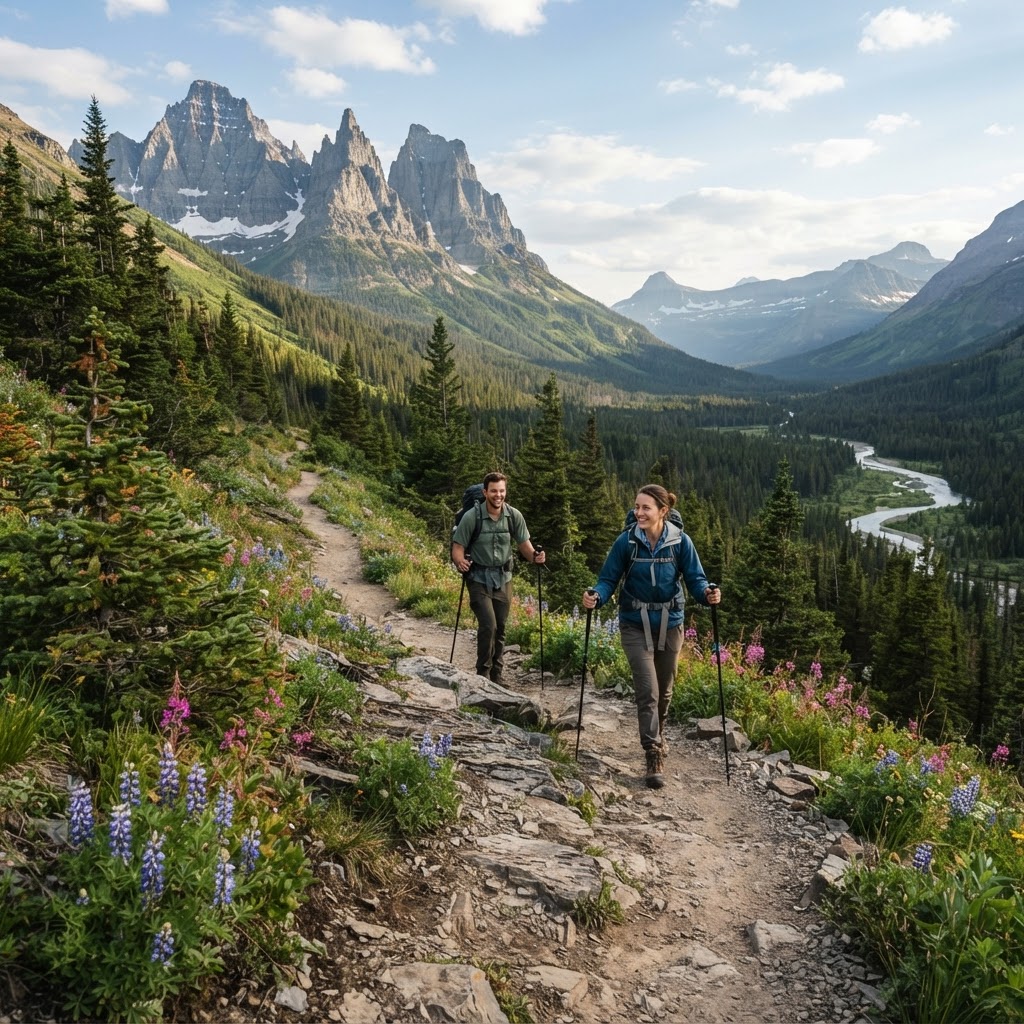
Hiking Etiquette in National Parks: A Guide to Responsible Exploration
Welcome to the wild heart of America! National parks are treasures, offering unparalleled beauty, diverse wildlife, and adventures that stir the soul. Whether you're a seasoned trekker or embarking on your first trail, understanding and practicing hiking etiquette in national parks is crucial for preserving these magnificent landscapes and ensuring a positive experience for everyone. It's about respecting nature, fellow visitors, and the delicate ecosystems that make these parks so special. This guide will equip you with the knowledge to navigate trails responsibly, leaving only footprints and taking only memories.
Why Hiking Etiquette Matters
National parks are more than just pretty places; they are living, breathing ecosystems. Trails are designed to guide visitors through these environments with minimal impact. Adhering to hiking etiquette is not just a set of rules; it's a commitment to conservation. It ensures that:
- The Environment is Protected: Following Leave No Trace principles prevents erosion, protects vegetation, and keeps waterways clean.
- Wildlife is Safe: Respecting animal habitats and distances ensures their well-being and prevents habituation.
- Visitor Experiences are Enhanced: Courtesy on the trail makes for a more pleasant and safer journey for all.
- Parks Remain Accessible: Responsible behavior helps preserve the natural state of the parks for future generations.
The Golden Rules of the Trail: Leave No Trace Principles
The foundation of responsible hiking is the seven Leave No Trace principles. These are universally applicable guidelines for enjoying the outdoors responsibly.
1. Plan Ahead and Prepare
This is the first and most important step. Proper planning minimizes your impact and maximizes your safety. Before you even set foot on the trail, consider:
- Route Selection: Choose a trail that matches your fitness level and experience. Use resources to understand the difficulty, length, and elevation gain. You can find great advice on how to choose the perfect hiking route for your adventure.
- Weather Conditions: Check the forecast and be prepared for changes. This is especially critical for longer hikes or those in mountainous terrain. Knowing how to survive a thunderstorm while camping: essential tips can be life-saving.
- Gear: Pack appropriately. A well-packed backpack ensures you have essentials like water, food, navigation tools, and first-aid. Refer to our how to pack for a hiking trip: essential gear checklist.
- Park Regulations: Familiarize yourself with specific park rules, including trail closures, permit requirements, and wildlife safety guidelines.
- Group Size: Consider traveling in smaller groups to minimize impact, especially on popular or sensitive trails.
2. Travel and Camp on Durable Surfaces
Trails are built to withstand foot traffic. Stick to them!
- Stay on the Trail: Never cut switchbacks or create new paths. This causes erosion and damages vegetation.
- Hike Single File: Especially on narrow trails, walk in a single file behind the person in front of you.
- Use Established Campsites: If you plan to camp, use designated campsites. If dispersed camping is allowed, choose sites that are already impacted, at least 200 feet from water sources and trails.
- Avoid Fragile Areas: Steer clear of meadows, wetlands, and other sensitive ecosystems.