How to Pack for a Hiking Trip: Essential Gear Checklist
Discover how to pack effectively for your hiking trip with our comprehensive checklist and tips for optimal outdoor adventure enjoyment.
June 28, 2026
How to Pack for a Hiking Trip: Essential Gear Checklist
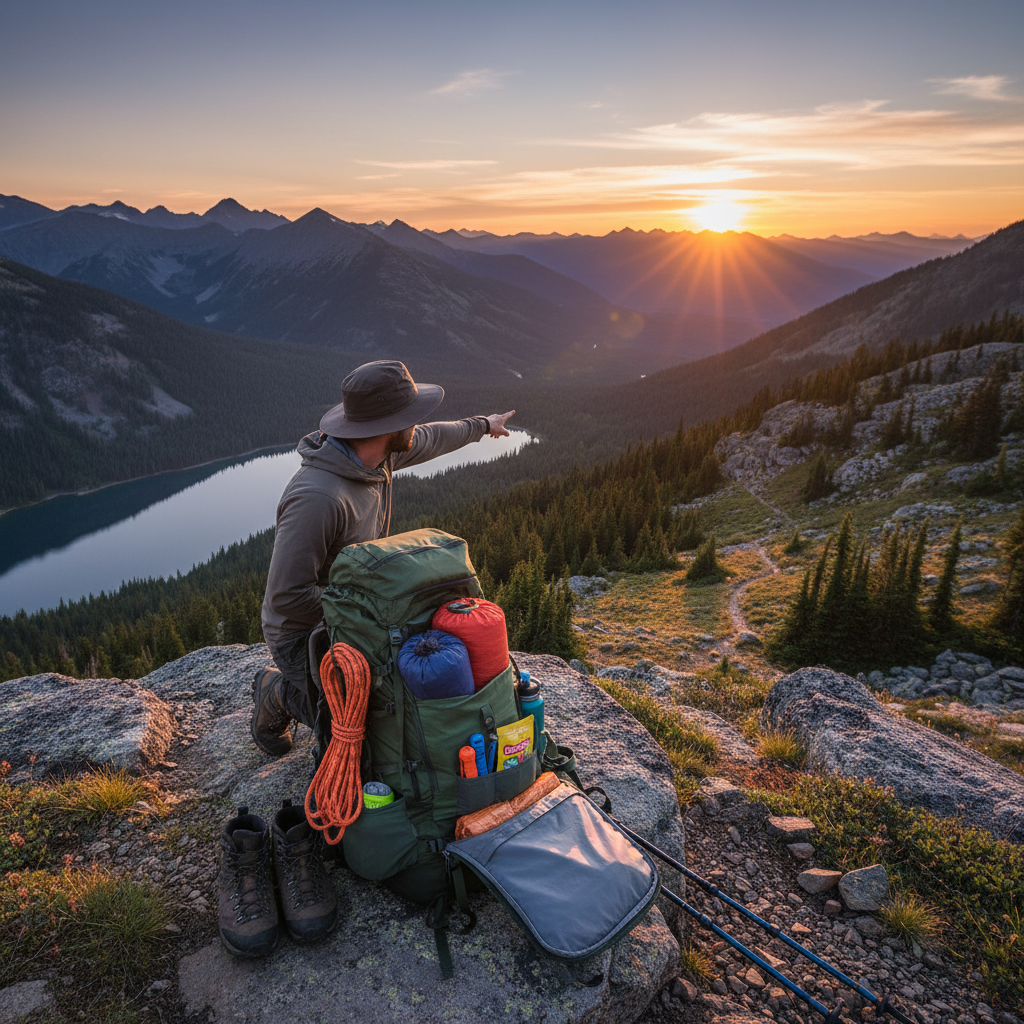
Hiking can be an invigorating escape into nature, allowing you to explore the wilderness while getting some exercise. However, knowing how to pack for a hiking trip can make all the difference between an enjoyable adventure and a harrowing experience. In this guide, we'll break down everything you need to know, from essential gear to packing tips.
Understanding Your Hiking Adventure
Before we dive into the specifics of what to pack, it's crucial to understand the nature of your hiking trip. Are you going on a day hike or an extended backpacking adventure? This will determine how much gear you need to bring.
Day Hikes vs. Backpacking Trips
- Day Hikes: Usually last from just a few hours to a full day. You will only need essentials for food, water, and first aid.
- Backpacking Trips: Spanning several days, these require more extensive gear, including sleeping essentials and cooking tools.
Essential Gear for Your Hiking Trip
Packing for a hiking trip involves a mix of essential gear and personal items tailored to your needs. Below, we categorize the necessary items to help you stay organized.
1. Clothing
Your clothing choices can significantly affect your comfort during a hike. Opt for moisture-wicking and layered clothing. Here’s a breakdown:
Base Layer
- Moisture-wicking T-shirt: A lightweight shirt that pulls sweat away from your body.
- Underwear: Choose breathable fabrics for comfort.
Insulating Layer
- Fleece jacket or sweater: Ideal for colder climates; easy to pack.
Outer Layer
- Waterproof jacket: Essential for sudden downpours.
- Hiking pants or shorts: Choose durable, quick-drying materials.
2. Footwear
- Hiking Boots: Sturdy boots with good ankle support are necessary for uneven terrain. Consider waterproof options for wet conditions.
- Socks: Invest in thick, moisture-wicking socks to prevent blisters.
3. Backpack
Choose a comfortable backpack that's appropriately sized for your trip:
- Daypack: 15-30 liters for day hikes.
- Backpacking Pack: 50+ liters for multi-day trips, ideally with a frame for improved weight distribution.
4. Navigation Tools
- Map and compass: Essential for offline navigation. Make sure you know how to use them.
- GPS device: Can be a handy alternative, but ensure you have backup methods.
- How to Read a Topographic Map: Complete Beginner's Guide for Hikers is a helpful resource.
5. Hydration and Nutrition
Water
- Water bottles or hydration bladder: Aim to drink at least 2 liters per day.
- Water filter or purification tablets: Important for long hikes where water sources are available.
Snacks
- Trail mix: Provides energy from nuts and dried fruits.
- Energy bars: Easy to pack and eat on the go.
- Dried fruits, beef jerky, and sandwiches can make excellent meal options for longer hikes.
6. Safety and First Aid
- First aid kit: A must-have for any hiking trip.
- Multi-tool or knife: For various uses including food preparation or as a repair tool.
- Wilderness First Aid Essentials: What Every Hiker Must Know is crucial reading for every hiker.
7. Shelter and Sleep (for Backpacking)
- Tent or hammock: Choose based on preference and location; both have pros and cons.
- Sleeping bag: Rated for the temperature conditions you expect.
- Sleeping pad: For insulation and comfort.
8. Personal Items
- Sunscreen: Protect your skin from UV rays.
- Insect repellent: Useful for avoiding bites, especially in the summer months.
- Toiletries: Pack minimal items, but don’t forget biodegradable soap.
- Trash bags: Always practice Leave No Trace principles—pack out what you pack in.
9. Emergency Gear
- Whistle: A small yet vital item to signal for help if needed.
- Headlamp/flashlight: With extra batteries, handy for early starts or extended hikes.
Packing Tips
As you prepare your gear, here are some packing tips to simplify the process:
- Organize by category: Use small bags or packing cubes to keep items organized within your larger backpack.
- Distribute weight evenly: Place heavier items closer to your back for better weight distribution.
- Make a checklist: Prior to your trip, make a full gear checklist to ensure you don’t forget anything.
How to Test Your Pack
Before your hiking trip, consider going on a practice hike with your packed items. This not only confirms that you have included everything but also allows you to test the weight and comfort of your gear.
Conclusion
Knowing how to pack for a hiking trip is essential for ensuring both your safety and enjoyment while exploring the outdoors. By following the guidelines laid out in this article and packing the appropriate gear, you can focus on what really matters—the adventure itself.
FAQs
1. What should I pack for a day hike?
For a day hike, pack water, snacks, a first aid kit, a map, navigation tools, and weather-appropriate clothing. A lightweight backpack can make carrying all these essentials easy.
2. How can I avoid blisters while hiking?
To prevent blisters, wear moisture-wicking socks, ensure your shoes fit properly, and avoid wet or damp conditions if possible.
3. Can I bring my dog on a hiking trip?
Yes, but always check trail regulations and ensure your dog is well-behaved and up-to-date on vaccinations. Bring enough food and water for your dog as well.
4. What is the best time of year to go hiking?
This depends on the region. However, spring and fall often provide milder weather and less crowded trails. Research the best seasons for your specific hiking location.
5. How do I choose the right hiking boots?
Look for boots that offer good ankle support, fit well, and are appropriate for the terrain you’ll be hiking. It’s advisable to try them on with the hiking socks you intend to use.
For detailed routes and tips, consider reading How to Choose the Perfect Hiking Route for Your Adventure.
Ready to find adventure? Dive into The Complete Guide to Hiking in National Parks: Planning, Permits, and Preparation for more insights.
Disclosure: Some links in this article may be affiliate links. If you purchase through them, we may earn a commission at no extra cost to you.