How to Survive a Thunderstorm While Camping: Essential Tips
Discover how to effectively survive a thunderstorm while camping with our essential tips and guidelines. Stay safe in the outdoors!
June 30, 2026
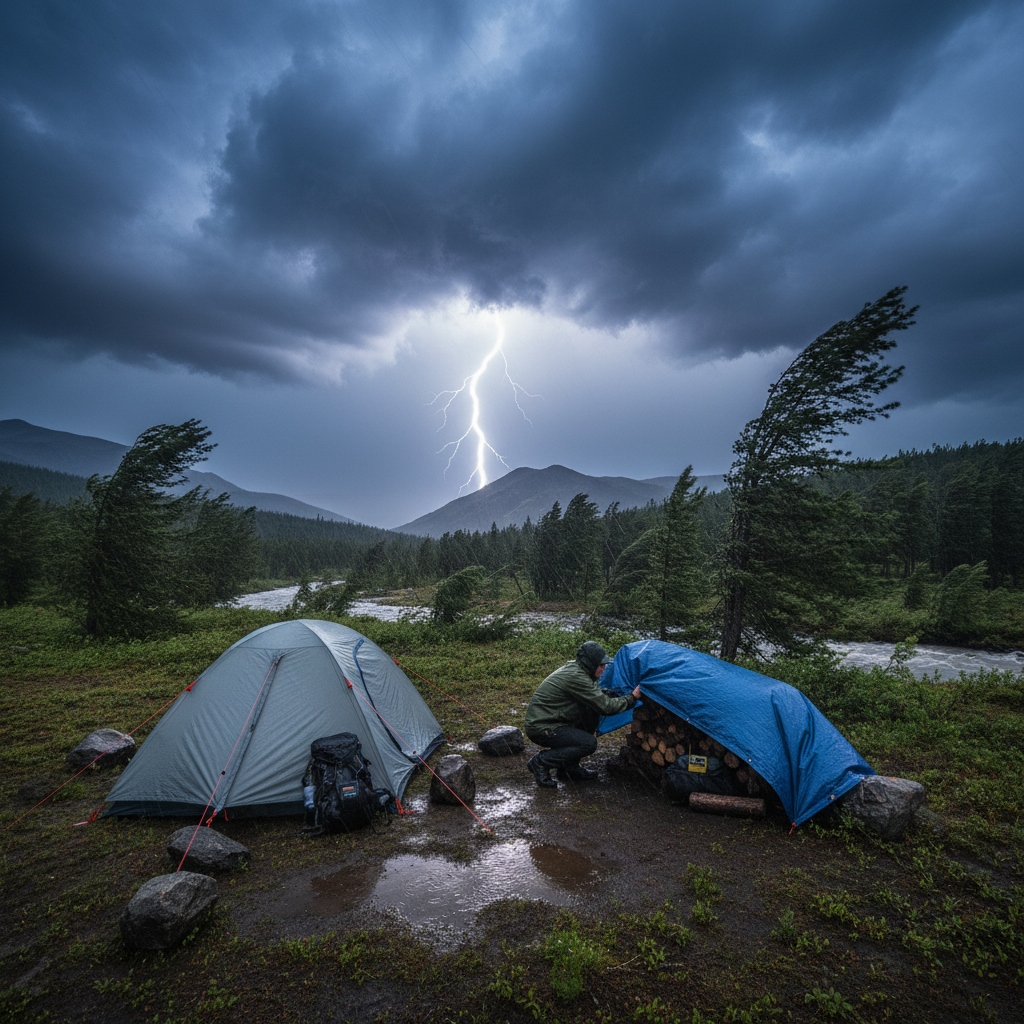
How to Survive a Thunderstorm While Camping: Essential Tips
When embarking on an outdoor adventure, knowing how to survive a thunderstorm while camping is crucial. Thunderstorms can arise unexpectedly, and being prepared can make the difference between a safe experience and a dangerous one. In this comprehensive guide, we’ll cover essential techniques, tips, and best practices to protect yourself and your loved ones during a thunderstorm in the wilderness.
Understanding Thunderstorms
What is a Thunderstorm?
A thunderstorm is a weather phenomenon characterized by lightning, thunder, wind, and often heavy rainfall. They can develop quickly, typically in warm, moist conditions. Understanding the signs of an approaching thunderstorm can help you prepare in advance.
Types of Thunderstorms
- Single-cell Thunderstorms: Short-lived and localized rainfall.
- Multi-cell Thunderstorm Clusters: Longer duration, can bring heavy rains and gusty winds.
- Supercell Thunderstorms: The most severe type, capable of producing tornadoes and hail.
Familiarizing yourself with these types can help you assess your risk while camping in different areas.
Before Your Camping Trip
Check the Weather Forecast
The first step in your camping preparations should be checking the weather forecast for thunderstorms. Many weather apps provide real-time updates, such as the National Weather Service or Weather.com. If thunderstorms are predicted, consider rescheduling your trip or planning activities accordingly.
Choose the Right Campsite
Selecting a campsite wisely can significantly impact your safety during a thunderstorm. Here are some tips:
- Avoid low-lying areas: These can quickly flood during heavy rainfall.
- Stay away from tall trees: Lightning often strikes the tallest object in an area, so consider safer locations where you’re not directly under potential danger.
- Look for natural windbreaks: Hills or rock formations can provide some protection against strong winds.
Prepare Your Gear
- Tents: Make sure your tent is waterproof and has a secure setup to withstand high winds.
- Clothing: Wear moisture-wicking and quick-drying clothing to stay warm if you get wet.
- Emergency Kit: Have a packed kit that includes a first-aid pack, flashlights, batteries, and non-perishable food items.
During the Thunderstorm
Recognizing the Signs
As a thunderstorm approaches, you might notice the temperature dropping, a change in wind direction, or the appearance of dark, towering clouds. If these signs occur, take immediate precautionary steps.
Seek Shelter
- Inside Your Tent: If you are at your campsite, retreat into your rainfly-secured tent. Stay away from the corners where water might pool.
- In Vehicles: If you are near your car, get inside. Cars act as Faraday cages, keeping you safe from lightning strikes.
- Avoid Overpasses and Bridges: Do not stay under these structures as they can be dangerous spots during heavy winds.
Stay Connected
Always keep your phone charged and utilize a portable power bank. Portable solar chargers are excellent for extended camping trips. Listening to weather updates can inform you of any changes or severe warnings.
Follow Safety Procedures
- Stay Low: If you cannot find permanent shelter, crouch down in a low place such as a ravine, away from trees.
- Avoid Water: Don't wade in streams or rivers due to the risk of flash floods.
After the Thunderstorm
Assessing Safety
Once the storm has passed, check your surroundings for any hazards, such as fallen trees or power lines. Stay inside your vehicle or tent until you’re sure it’s safe to venture out.
Clean Up and Evaluate Damage
If it’s safe, check your gear for any damage, particularly your tent and sleeping supplies. Secure anything that could blow away in the wind.
Continue Monitoring Weather
After the storm, be aware of additional weather forecasts. Sometimes storms can cluster or return, so stay vigilant, especially in mountainous regions.
Additional Resources
For more tips on planning your trips effectively and understanding the outdoors, check our guides such as How to Pack for a Hiking Trip: Essential Gear Checklist and How to Choose the Perfect Hiking Route for Your Adventure. These articles will help you select the best gear and make informed decisions for your adventures.
Frequently Asked Questions
What should I do if I get caught in a storm while hiking?
If you find yourself hiking during a storm, try to find a low area to crouch down in, away from any tall trees. Protect your head and stay as dry as possible.
Is it safe to cook during a thunderstorm?
It is not advisable to cook during a thunderstorm, especially if you are using an open flame. Wait until conditions are safe before resuming cooking.
How can I tell if a storm is severe?
Watch for dark clouds, hear frequent thunder, and feel sudden gusts of wind. Weather apps can provide alerts for severe storms as well.
Is my smartphone a reliable source of weather updates while camping?
Yes, smartphones can provide real-time updates if you have service. It’s wise to download offline maps or weather apps prior to your trip.
What emergency gear should I always have with me while camping?
Always have a first-aid kit, water purification system, non-perishable food, a multi-tool, and reliable emergency lighting.
Conclusion
Knowing how to survive a thunderstorm while camping is essential to ensure the safety and enjoyment of your outdoor adventures. By preparing ahead of time and staying informed during a storm, you can significantly mitigate risks and keep yourself and your companions safe. Remember that being conscious of your surroundings and weather patterns will go a long way in your wilderness experience. For more tips and advice, visit our blog section on Top Camping Spots in National Parks You Must Visit.
Disclosure: Some links in this article may be affiliate links. If you purchase through them, we may earn a commission at no extra cost to you.