how to reduce waste while camping
Discover practical strategies and actionable tips on how to reduce waste while camping. This guide covers everything from pre-trip planning and gear selection to campsite management, ensuring your outdoor adventures are as eco-friendly as possible.
July 24, 2026
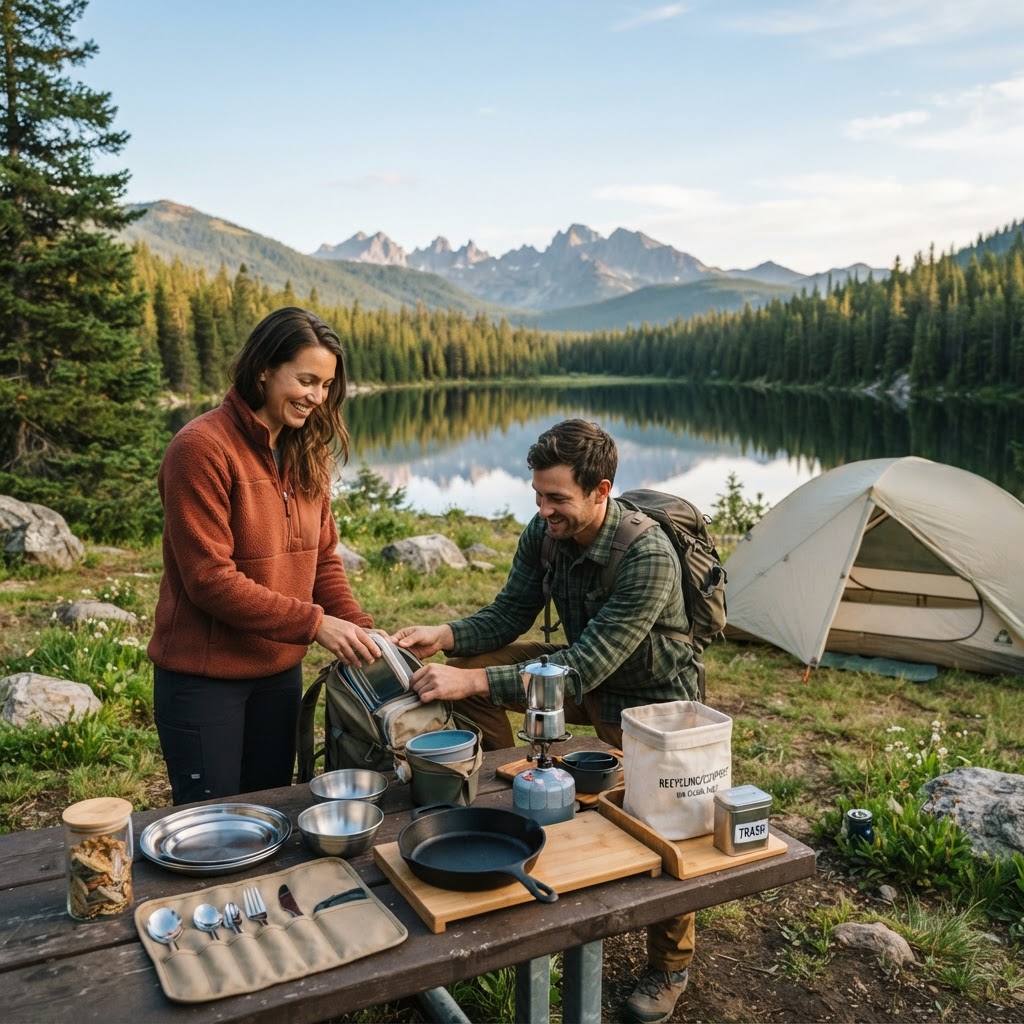
Camping offers an unparalleled opportunity to connect with nature, breathe fresh air, and escape the daily grind. However, with every adventure comes responsibility. As outdoor enthusiasts, we have a duty to protect the very environments we cherish. A significant part of this responsibility lies in understanding how to reduce waste while camping. From the food we pack to the gear we use, every decision can impact the delicate ecosystems around us. This comprehensive guide will equip you with practical strategies and actionable tips to minimize your environmental footprint, ensuring our wilderness areas remain pristine for generations to come.
Embracing the "Leave No Trace" Ethic
At the heart of low-waste camping is the principle of "Leave No Trace." This widely adopted framework outlines seven core principles for responsible outdoor recreation. While all principles are crucial, several directly address waste reduction:
- Plan Ahead and Prepare: This is arguably the most critical step for waste reduction. Careful planning can prevent waste before it even begins.
- Dispose of Waste Properly: This goes beyond just packing out your trash; it includes human waste, wastewater, and understanding what not to leave behind.
- Minimize Campfire Impacts: While campfires are iconic, their impact can be significant. Reducing reliance on fires for cooking or warmth can cut down on waste like unburnt wood and ash.
Adopting these principles is more than just following rules; it's a mindset that prioritizes conservation and respect for nature.
Pre-Trip Planning: The Foundation of Zero-Waste Camping
The secret to reducing waste doesn't start at the campsite; it begins long before you even leave home. Thorough preparation can drastically cut down on the amount of trash you generate.
Mindful Meal Planning and Food Preparation
Food often accounts for the largest portion of camping waste, from packaging to uneaten scraps. Smart meal planning is key:
- Buy in Bulk and Repackage: Purchase staples like pasta, rice, nuts, and dried fruit from bulk bins. Transfer them into reusable containers or cloth bags. This eliminates countless single-use plastic bags and boxes. Consider durable, lightweight containers that can serve multiple purposes once empty.
- Pre-Chop and Pre-Mix: Prepare ingredients at home. Chop vegetables, pre-mix dry ingredients for pancakes or oatmeal, and measure out spices. This reduces the need for packaging in the wilderness and saves valuable time and cleanup at the campsite. For inspiration on what to cook, check out our guide on popular outdoor cooking methods.
- Dehydrate Your Own Meals: For longer trips, dehydrating food can significantly reduce weight and volume, thus minimizing packaging. Homemade dehydrated meals are not only waste-free but often healthier and more cost-effective.
- Choose Whole Foods: Opt for fruits and vegetables with natural packaging (like oranges or bananas) over pre-packaged snacks. Peel and core fruits at home if possible.
- Plan Portions Carefully: Only bring what you'll eat. Leftovers, while sometimes unavoidable, add weight and can spoil, creating waste. Be realistic about your appetite and cooking capabilities.
Strategic Gear Selection and Packing
Your gear choices can also make a big difference in waste reduction.
- Invest in Durable, Reusable Gear: Prioritize quality items that will last for many seasons. This reduces the need for frequent replacements, saving resources and preventing landfill waste. When considering new purchases, explore our recommendations for best outdoor gear for eco-conscious campers.
- Multi-Purpose Items: Look for gear that serves more than one function. A bandana can be a pot holder, towel, or head covering. A spork combines two utensils. This reduces the total number of items you need to carry and, consequently, the potential for waste. When building out your essentials, consider items that could even contribute to creating a survival kit for hiking trips.
- Reusable Water Bottles and Filters: Ditch single-use plastic water bottles entirely. Invest in a durable reusable water bottle and consider a portable water filter or purification tablets for refilling from natural sources. This is a fundamental step for any environmentally conscious camper.
- Reusable Bags and Totes: Bring several reusable bags of various sizes. These can be used for groceries, laundry, or separating trash to be packed out. A dedicated mesh bag is great for drying dishes.
- Say No to Disposables: Avoid paper plates, plastic cutlery, and single-use wipes. Pack a small, lightweight set of reusable plates, bowls, and utensils. For insights on efficient packing, refer to our adventure travel packing guide.
- Consider Sustainable Lighting: Instead of battery-guzzling lanterns, opt for solar-powered or rechargeable options. Learn more about camping light options for backpackers.
Conscious Product Choices
- Biodegradable Soaps and Toiletries: Use eco-friendly, biodegradable soaps for washing dishes and personal hygiene. Always use them at least 200 feet away from water sources to prevent contamination. Look for solid shampoo bars and toothpaste tablets to eliminate plastic packaging.
- Rechargeable Batteries: For devices that require batteries, invest in rechargeable ones and a portable charger (solar-powered if possible). This dramatically reduces the number of disposable batteries polluting landfills.
- Natural Insect Repellents: Opt for natural, chemical-free insect repellents to avoid introducing harmful substances into the environment.
At the Campsite: Minimizing Your Footprint
Once you've arrived at your destination, continue your waste-reducing efforts with mindful practices.
Efficient Food and Water Management
- Proper Food Storage: Store food in airtight, bear-proof containers to prevent spoilage and attract wildlife. This minimizes waste from contaminated or scavenged food.
- Water-Wise Cooking and Cleaning: Use minimal water for cooking and cleaning. Scrape plates clean before washing. When washing, use a small basin and dispose of greywater by scattering it widely away from water sources. Explore handy outdoor cooking gadgets that can help minimize water usage.
- Composting Food Scraps (Where Permitted): In designated areas or if you have a portable composting system, compost fruit and vegetable scraps. Otherwise, all food waste, including organic matter, must be packed out. Never bury food scraps, as they attract animals and decompose slowly.
Waste Segregation and "Pack It Out"
This is the golden rule of low-impact camping: whatever you pack in, you pack out. And it's not just about trash.
- Separate Your Waste: Carry designated bags for different types of waste: recyclables, compostables (if you're packing them out for home composting), and non-recyclable trash. This makes proper disposal much easier once you're off the trail.
- Crush and Consolidate: Crush empty cans and bottles to save space. Fold down cardboard. The more compact your waste, the less space it takes up in your pack, encouraging you to pack it all out.
- Don't Forget the Small Stuff: Think beyond obvious trash. This includes fruit peels, nut shells, dental floss, cigarette butts, and even toilet paper (which can take years to decompose in some environments). Every tiny piece adds up.
Responsible Campsite Practices
- Fire Management: If fires are permitted and necessary, keep them small, use only dead and downed wood, and ensure they are completely extinguished. Better yet, use a camp stove for cooking to avoid burnable waste and reduce environmental impact. For tips on setting up an environmentally friendly space, read our guide on building an an eco-friendly campsite.
- Human Waste Disposal: In areas without facilities, dig a cat hole 6-8 inches deep and at least 200 feet from water, trails, and campsites. Pack out all toilet paper and feminine hygiene products. In some sensitive areas, you may need to pack out human waste using a WAG bag system.
- Minimizing Impact on Vegetation: Stay on marked trails and campsites. Avoid trampling plants or disturbing soil. This indirectly reduces waste by preserving the natural integrity of the environment.
Post-Trip Responsibilities: Beyond the Campsite
Your commitment to waste reduction doesn't end when you leave the wilderness. Proper disposal and care of your gear are crucial.
Proper Waste Disposal
Once you return from your trip, ensure that the waste you've packed out is disposed of correctly:
- Recycle: Take all sorted recyclables to appropriate recycling centers. Be aware that recycling rules vary by municipality.
- Compost: Compost any organic waste you've brought home, if applicable.
- Landfill: Dispose of non-recyclable, non-compostable waste in designated trash bins.
Gear Maintenance and Longevity
Proper care extends the life of your camping gear, reducing the need for replacements and contributing to less waste in the long run. Clean, dry, and store your equipment according to manufacturer instructions. Repair minor damages promptly rather than discarding items. Consider checking out our tips for prepping for a national park road trip to see how pre-trip and post-trip gear management plays a role.
Advanced Tips for the Eco-Conscious Camper
For those looking to take their low-waste efforts even further, here are some additional considerations:
- DIY Camping Gear: For the crafty and adventurous, consider making some of your own gear. This can be anything from simple stuff sacks to more complex items, allowing you to choose sustainable materials and avoid excessive packaging.
- Borrow or Rent Gear: If you only camp occasionally, consider borrowing gear from friends or renting from an outdoor outfitter. This reduces the overall consumption of new products and gives existing gear a longer lifespan.
- Support Eco-Friendly Brands: When you do need to buy new gear, research and support companies committed to sustainable manufacturing practices, ethical sourcing, and durable products. Look for certifications like B Corp or bluesign.
- Educate Others: Share your knowledge and passion for low-waste camping with friends, family, and fellow adventurers. Leading by example is one of the most powerful ways to inspire change. While you're at it, you might even inspire them to try some hiking challenges to try.
The Broader Impact: Why It Matters
Choosing how to reduce waste while camping isn't just about keeping your campsite tidy; it's about protecting the natural world. Less waste means less pollution, fewer resources consumed in manufacturing, and a healthier habitat for wildlife. It preserves the beauty and integrity of wilderness areas, ensuring that these invaluable spaces remain wild and accessible for future generations. By embracing these practices, we contribute to a larger movement of responsible outdoor recreation, showing respect for the planet and setting a powerful example for others, whether they prefer glamping vs traditional camping or anything in between.
Every small effort adds up to a significant positive impact. Let's commit to leaving our campsites better than we found them.
Frequently Asked Questions (FAQ)
Q1: What's the easiest way to start reducing waste while camping if I'm new to it?
A: The absolute easiest way to start is to focus on food packaging and water bottles. Repackage all food from its original packaging into reusable containers or bags at home. Bring a durable reusable water bottle and a water filter instead of disposable plastic bottles. These two steps alone will drastically cut down on your waste.
Q2: How do I handle food waste, especially organic scraps like fruit peels, in the wilderness?
A: The safest and most responsible method is to pack out all food waste, including organic scraps. While fruit peels and cores are biodegradable, they decompose slowly in many environments, can attract wildlife, and are considered litter in Leave No Trace principles. Bring a separate, sealable bag specifically for food scraps to pack them out. Only compost in designated facilities if available, otherwise, it's best to take it all home.
Q3: Are biodegradable or compostable products (like utensils or trash bags) truly eco-friendly for camping?
A: It depends. Many so-called "biodegradable" products require specific industrial composting conditions to break down, which are rarely found in natural environments. If buried or left in the wilderness, they can persist for a long time and still attract wildlife. The best approach is to avoid disposables altogether by bringing reusable items. If you must use a disposable, choose one that you are committed to packing out and disposing of correctly in an appropriate facility (e.g., a compostable bag taken to an industrial composting facility at home).
Q4: What about human waste in areas without toilets?
A: For solid human waste, the standard practice is to dig a "cat hole" 6-8 inches deep and at least 200 feet (about 70 paces) away from water sources, trails, and campsites. Cover it thoroughly with soil and natural materials. All toilet paper and feminine hygiene products must be packed out in a sealed bag. In some highly sensitive or high-traffic areas, packing out human waste using specialized WAG bags or similar systems is mandatory. Always check local regulations before your trip.
Q5: What essential gear should I prioritize for low-waste camping?
A: Prioritize durable, reusable items that replace disposables. Key items include a high-quality reusable water bottle and filter, sturdy reusable food containers and bags, a lightweight set of reusable plates, bowls, and utensils, a camp stove (to reduce campfire impact), and a dedicated trash bag for packing out waste. Investing in rechargeable batteries and a solar charger is also highly recommended.
Disclosure: Some links in this article may be affiliate links. If you purchase through them, we may earn a commission at no extra cost to you.