how to plan a backcountry camping trip
Learn the essential steps to successfully plan your first backcountry camping trip, from choosing the right gear to mastering Leave No Trace principles.
August 7, 2026
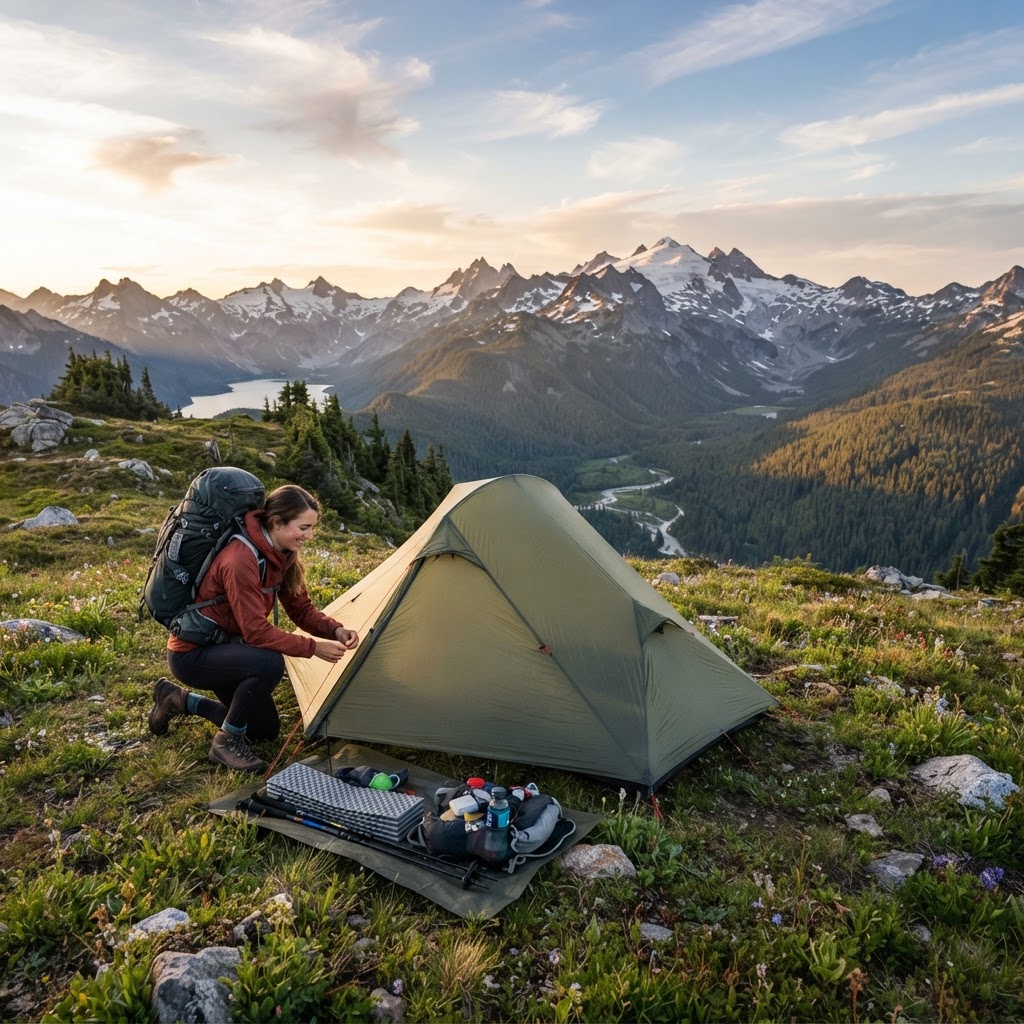
Introduction to Backcountry Adventures
Learning how to plan a backcountry camping trip is a transformative skill that unlocks the most pristine corners of the wilderness. Unlike developed campgrounds where amenities like bathrooms and picnic tables are readily available, the backcountry demands self-reliance, careful preparation, and a deep respect for the environment. Whether you are looking to escape the crowds found in national parks for family adventures or seeking a solitary escape, thorough planning is the cornerstone of a safe and rewarding experience.
Selecting Your Destination
Choosing the right location is the first step in your journey. If you are new to the wilderness, consider starting with best hiking trails for beginners that have well-marked paths and manageable elevation gain. Use mapping software like Gaia GPS or AllTrails to scout routes, keeping in mind that your physical fitness and the season will dictate how many miles you can safely cover in a day. Always verify if your destination requires a backcountry permit, as popular areas often implement quota systems to protect the ecosystem.
Essential Gear and Packing Strategy
Your packing list will differ significantly from car camping. Every ounce counts when you have to carry your gear on your back. To prepare effectively, start by reviewing our guide on what to pack for a camping weekend and adjust for weight. Investing in high-quality gear is vital; for instance, choosing the best hiking backpacks for women or men specifically designed for your torso length can prevent injury and fatigue. Furthermore, if you are hiking in challenging climates, don't forget to equip yourself with top hiking boots for wet weather.
Nutrition and Outdoor Cooking
Fueling your body is essential for multi-day treks. Unlike day hikes, you need high-calorie, lightweight food. When planning your meals, consider outdoor cooking gear for camping that minimizes bulk. Learn specific campfire cooking tips and tricks, but keep in mind that many backcountry areas have strict fire bans, so a reliable backpacking stove is mandatory. Always carry survival cooking tools to have in case of emergencies, and practice proper food storage techniques, such as using a bear canister or hanging a bear bag, to keep wildlife safe.
Practicing Leave No Trace
As stewards of the earth, it is our duty to practice sustainable travel in national parks and beyond. The Seven Principles of Leave No Trace are non-negotiable in the backcountry. This includes packing out all trash, disposing of human waste properly at least 200 feet from water sources, and leaving natural objects where you find them. By keeping your impact minimal, you ensure that these landscapes remain preserved for future generations.
Safety and Emergency Preparedness
Before heading out, create a detailed itinerary and leave it with a trusted friend or family member. Include your planned route, expected return time, and your gear list. Your emergency kit should include a first-aid kit, a satellite communicator or PLB, a navigation tool (map and compass), and extra layers for unpredictable weather. Prioritize learning basic wilderness first aid, as help can be hours or even days away.
FAQ Section
How much water should I carry?
While this depends on the terrain and heat, you should generally aim to carry at least two liters of water-carrying capacity, plus a reliable filtration system like a Sawyer Squeeze to purify water from natural sources.
How do I handle human waste in the backcountry?
Unless a specific area requires a WAG bag (packing it out), you should dig a cathole at least 6-8 inches deep and at least 200 feet away from any water source, trail, or campsite.
What is the most important piece of gear for beginners?
Footwear and navigation are paramount. Invest in comfortable, broken-in boots and learn how to use a physical map and compass before relying solely on GPS.
How do I choose the right campsite?
Choose a site that is already impacted to avoid trampling sensitive vegetation, and ensure you are at least 200 feet from lakes and streams to protect aquatic ecosystems.
Disclosure: Some links in this article may be affiliate links. If you purchase through them, we may earn a commission at no extra cost to you.