campfire cooking tips and tricks
Master the art of outdoor culinary excellence with our essential guide to campfire cooking tips and tricks, perfect for your next wilderness adventure.
August 4, 2026
Elevating Your Outdoor Culinary Experience
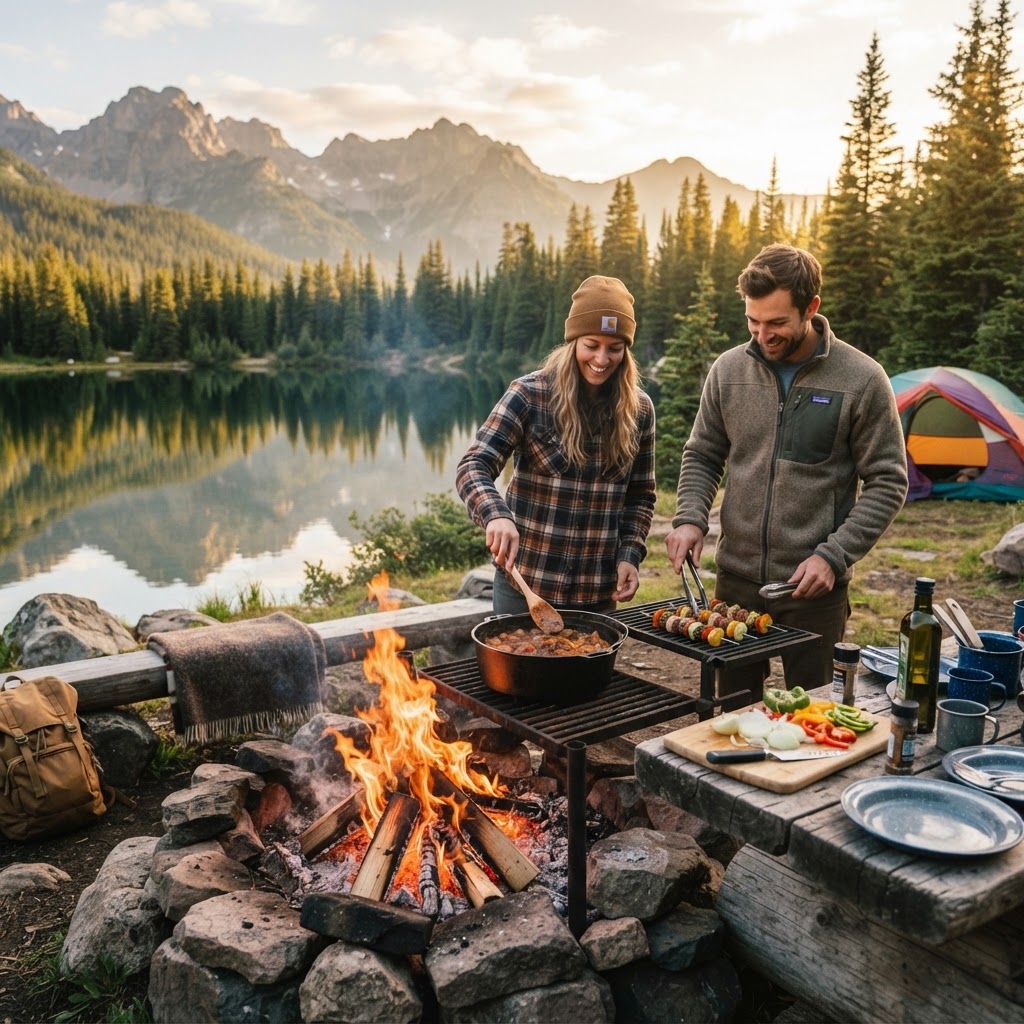
There is something primal and deeply satisfying about preparing a meal over an open flame. Mastering campfire cooking tips and tricks can transform your standard dehydrated meals into gourmet feasts, making every outdoor excursion memorable. Whether you are planning a weekend trip to one of the national parks for family adventures or simply heading into the backcountry, knowing how to manage your heat source is the most vital skill for any outdoor chef.
Preparing the Perfect Cooking Fire
Before you start, you must understand that not all fires are equal. A raging bonfire might look impressive, but it is rarely the best for cooking. For consistent heat, you need a bed of hot coals. Start by building your fire well in advance of when you plan to eat. Use seasoned hardwood like oak or hickory, which burns cleaner and produces longer-lasting coals than softwoods like pine, which can leave a bitter taste on your food.
Once your fire has burned down into glowing embers, spread them out evenly. This provides a steady, controllable heat source. If you are struggling with your fire, ensure you have the right survival skills every outdoor adventurer should know to build an efficient base.
Essential Tools for the Job
While you can cook with a simple stick, having the right outdoor cooking gear for camping makes a world of difference. Investing in a cast-iron skillet or a Dutch oven is a game changer. These heavy-duty tools retain heat exceptionally well, allowing for even cooking. For those looking for specialized equipment, check out our guide on survival cooking tools to have to ensure you are fully prepared for any environment.
Mastering Heat Control
Control is the secret ingredient in campfire cooking. Because you cannot simply turn a dial, you must adjust the distance between your food and the coals.
- Low Heat: Place your cookware several inches above the coals or on the periphery.
- Medium Heat: Direct placement over a bed of glowing, grey-tipped coals.
- High Heat: Directly in the heart of the embers.
Always remember to pack light but efficiently by checking our minimalist hiking gear checklist so your cooking equipment doesn't weigh you down on the trail.
Meal Planning and Prep Hacks
Preparation starts at home. Don't waste time chopping onions in the dark. Pre-chop your vegetables, marinate your meats, and store them in sealable bags before you leave. If you are wondering what to pack for a camping weekend, prioritize cooler space for prepped items that simplify your workflow at the campsite.
Safety First
Cooking outdoors involves fire, and fire requires respect. Always have a bucket of water or sand nearby. Ensure you are cooking in a designated fire ring and never leave your fire unattended. Practicing eco-friendly habits, which you can learn more about by reading how to start eco-living on a budget, includes ensuring you completely extinguish your fire with the "soak, stir, and touch" method.
FAQ: Campfire Cooking
Q: Can I cook directly on the coals? A: Yes, foods like onions, potatoes, and even thick steaks can be cooked directly on hot embers. This provides a smoky flavor and a nice char.
Q: How do I prevent my cast iron from sticking? A: Ensure your pan is well-seasoned with a thin layer of oil before you start. Maintain a consistent heat; too much heat causes sticking, while too little makes it harder to lift the food.
Q: What is the best fuel for cooking? A: Hardwood coals are best. Avoid treated lumber or trash, which can release toxic chemicals into your food.
Q: How do I know when the fire is ready? A: Your fire is ready when the flames have died down and the logs have transformed into glowing, white-grey embers.
Disclosure: Some links in this article may be affiliate links. If you purchase through them, we may earn a commission at no extra cost to you.