The Ultimate Guide to Hammock Camping: Tips & Tricks
Dive into the ultimate guide to hammock camping with tips, gear recommendations, and techniques for a comfortable experience amid nature.
June 27, 2026
The Ultimate Guide to Hammock Camping: Tips & Tricks
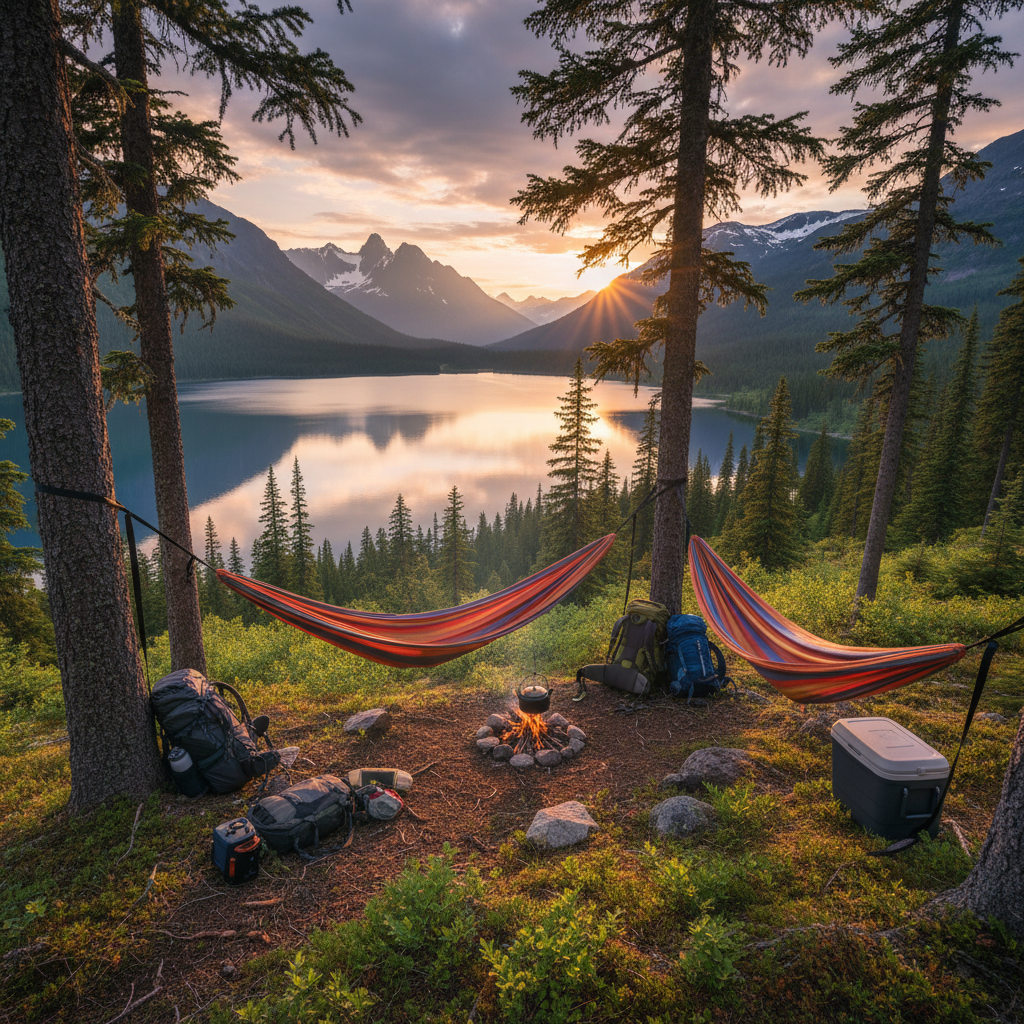
Hammock camping is an exhilarating way to experience the great outdoors, allowing you to gain a new perspective on your wilderness adventures. This comprehensive guide covers everything you need to know about hammock camping, making it the ultimate resource for enthusiasts and newcomers alike. From selecting the right gear to the best techniques for setting up your hammock, we’ll explore how to enjoy nature comfortably and safely.
What is Hammock Camping?
Hammock camping involves using a hammock instead of a traditional tent. It's an increasingly popular choice for outdoor enthusiasts who want to combine comfort with a unique camping experience. Whether you're lounging by a lake or traversing a mountain range, a hammock provides a convenient and portable sleeping solution.
Why Choose Hammock Camping?
- Lightweight and Portable: Hammocks are significantly lighter than tents, making them easier to carry on long hikes.
- Versatile Setup: You can set up a hammock almost anywhere there's suitable trees, allowing you to camp in locations with challenging terrain for tents.
- Better Ventilation: Hammocks keep you off the ground, providing ample airflow and reducing the risk of moisture buildup.
Types of Hammocks for Camping
When it comes to hammock camping, the right type of hammock can make all the difference. Here are some options:
- Single Hammocks: Lightweight and perfect for solo campers. They're compact but may not offer much room for movement.
- Double Hammocks: Ideal for couples or those who appreciate extra space.
- Enclosed Hammocks: These feature mosquito netting to keep bugs at bay and are great for camping in insect-heavy areas.
- Tarp Hammocks: Often used for more extreme weather, these include an attached tarp for weather protection.
Essential Gear for Hammock Camping
- Hammock: Choose one that fits your style and needs. Be sure to consider weight capacity and material.
- Suspension System: Straps, carabiners, and any necessary hardware for securing your hammock to trees. Look for lightweight options.
- Underquilt & Top Quilt: Insulation is essential for colder climates. Underquilts hang below your hammock, while top quilts keep you warm from above.
- Rain Fly/Tarp: A tarp protects your hammock and sleeping area from rain and wind. Make sure it’s waterproof and large enough to cover your setup.
- Bug Net: Essential in mosquito-heavy areas, bug nets provide protection without compromising airflow.
- Sleeping Pad: Some prefer to use a sleeping pad for extra comfort and insulation.
- Peak Shelf or Gear Sling: These options keep your gear organized and off the ground, preventing it from getting wet or dirty.
How to Set Up Your Hammock
Setting up your hammock requires some basic knowledge of knots and tree-hanging techniques. Here’s a step-by-step guide:
- Select Your Trees: Look for two healthy trees about 10-15 feet apart. Each tree should be at least 6 inches in diameter.
- Position Your Hammock: Use a suspension system to hang your hammock at a height that allows you to comfortably get in and out. A good guideline is to hang it at about 18 inches off the ground.
- Adjust the Tension: Make sure the hammock is taut without being overly tight. You should be able to sit down without touching the ground.
- Add the Rain Fly: If it looks like rain, place the tarp over your hammock and secure it with guylines to the ground.
- Set Up Your Gear: Once your hammock is secure, arrange your gear nearby in a way that’s easily accessible.
Best Locations for Hammock Camping
Choosing the right camping spot can enhance your hammock camping experience. Consider the following:
- Wooded Areas: Look for mature trees that provide good support and spacing.
- Near Water Sources: Camping near a lake or river provides beautiful scenery and easy access to water, but ensure you're at a safe distance to avoid flooding.
- National Parks: Several parks allow hammock camping, albeit with certain restrictions. Always check regulations before setting out. Learn more in our article on Hiking in National Parks.
- Backcountry Locations: For a true wilderness experience, venture into less-traveled areas. Always be aware of local flora and fauna to stay safe and respectful.
Tips for a Comfortable Night's Sleep
- Lay at an Angle: Laying at a slight angle in your hammock helps distribute your weight evenly and prevents discomfort.
- Use an Underquilt: Insulation is key to staying warm, particularly in cooler weather.
- Personality Touches: Bring a small pillow or stuff sack to add extra support.
Safety Considerations
- Tree Health: Avoid trees with signs of disease or significant damage.
- Hammock Stability: Always check your setup before getting in. It should feel secure and stable.
- Wildlife Awareness: Ensure you are familiar with local wildlife. You can read more about wildlife migration patterns in our guide on Understanding Wildlife Migration.
Common Mistakes to Avoid
- Poor Site Selection: Avoid camping too close to water or on steep slopes.
- Insufficient Insulation: Ensure you’re prepared for colder temperatures, as heat loss is faster in hammocks.
- Failure to Test Gear: Always set up and check your equipment before it’s time to sleep.
Frequently Asked Questions
1. Can I use a regular hammock for camping?
While regular hammocks may work, camping-specific hammocks are designed to offer more support and stability for overnight use.
2. Is hammock camping safe?
Yes, when done properly, hammock camping is safe. Just ensure you choose sturdy trees and set up correctly.
3. How do I keep warm while hammock camping?
Utilize an underquilt for insulation, wear appropriate clothing, and consider bringing a sleeping bag rated for cooler temperatures.
4. Can I hammock camp in winter?
Absolutely! With the right gear, like an underquilt and proper sleeping bags, winter hammock camping can be enjoyable.
5. Do I need special permits to hammock camp?
Permits can vary by location. Always check local regulations before your trip, especially in national parks.
Conclusion
Hammock camping is a rewarding way to immerse yourself in nature and enjoy the stunning views that come with it. Armed with the right knowledge and gear, your next outdoor adventure can be comfortable and exhilarating. For more tips on outdoor adventures, check out our article on How to Plan Your First Family Camping Trip. Happy camping!
Disclosure: Some links in this article may be affiliate links. If you purchase through them, we may earn a commission at no extra cost to you.