Why Old-Growth Forests Matter: Ancient Trees and the Fight to Save Them
Old-growth forests are among Earth's most precious ecosystems. Learn why these ancient trees matter and what's being done to protect the forests that remain.
June 2, 2026
Why Old-Growth Forests Matter: Ancient Trees and the Fight to Save Them
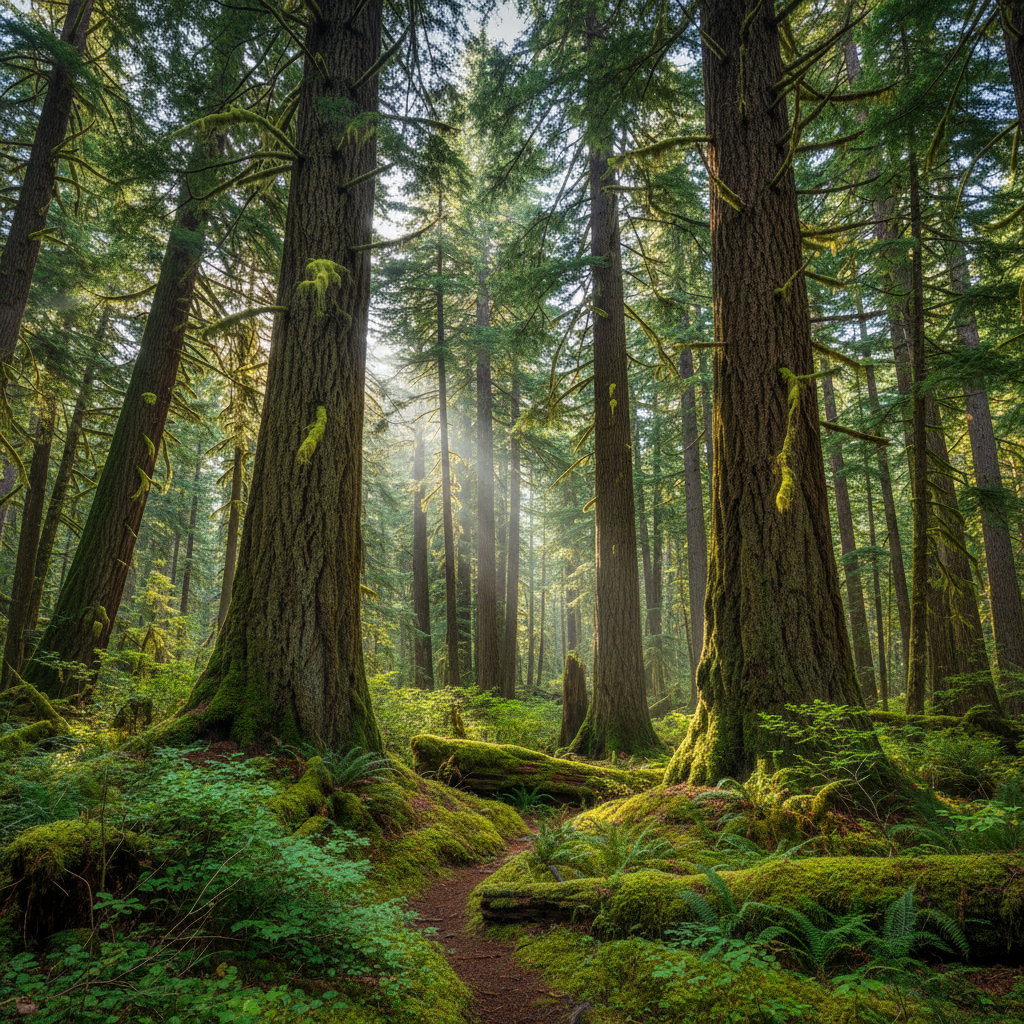
In the Pacific Northwest, there are Douglas fir trees standing today that were already 500 years old when Europeans first set foot in North America. In California's coastal ranges, some coast redwoods began growing before the Roman Empire fell. In the Appalachians, certain eastern hemlocks predate the founding of the United States by centuries.
These are old-growth forests — and they are disappearing faster than almost any other habitat on Earth.
Less than 3% of the contiguous United States still has intact old-growth forest. Globally, ancient forests covering an area the size of France are lost every single year. Understanding what we stand to lose — and what is being done to prevent it — matters to everyone who cares about the future of life on this planet.
What Exactly Is Old-Growth Forest?
Old-growth forest (also called primary forest, ancient forest, or virgin forest) is defined as a forest that has reached great age without significant human disturbance and as a result exhibits unique ecological features.
There's no single age that qualifies a forest as "old-growth" — it depends on the ecosystem. A Douglas fir forest may reach old-growth characteristics at 200 years. A hardwood forest in the Midwest may take 300 years. An eastern hemlock grove may require 400 years.
What distinguishes old-growth forests is not just age but structure:
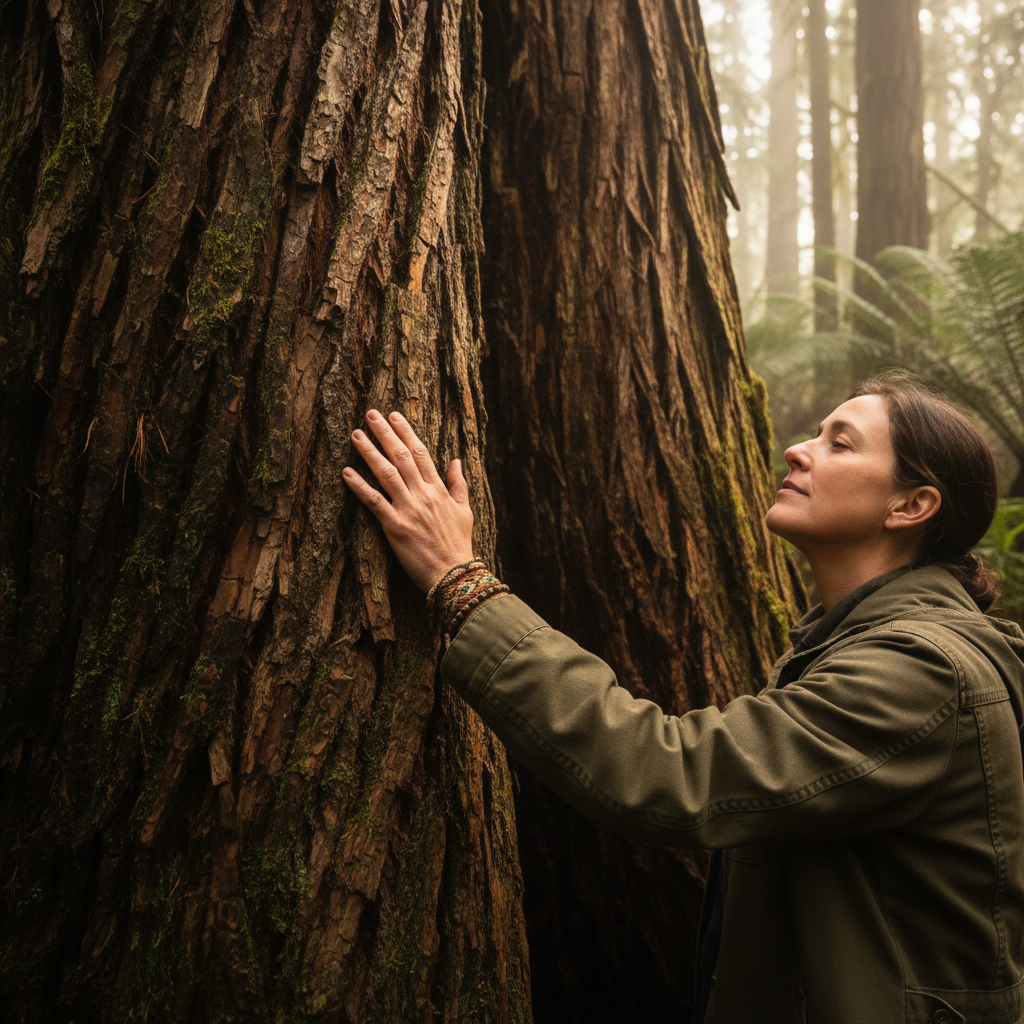
- Large, old trees with deeply furrowed bark and expansive canopies
- Snags and standing dead wood — home to woodpeckers, owls, bats, and insects
- Large fallen logs slowly decomposing over decades, becoming nurseries for new growth
- A complex multi-layered canopy with openings created by fallen giants
- Deep, rich soil built from centuries of decomposing organic matter
- Specialized species that exist only in these ecosystems
The Extraordinary Ecology of Ancient Forests
The Wood Wide Web
Old-growth forests harbor an extraordinary underground network of mycorrhizal fungi — the "wood wide web" — that connects trees of different species through their root systems. Through this network, established trees share nutrients and chemical signals with seedlings and neighboring trees. Old trees — sometimes called "mother trees" — are nodes in this network, supporting the regeneration of new growth.
When old-growth forests are logged, this network is severed. Replanted "managed forests" — neat rows of same-age trees — lack this infrastructure entirely.
Carbon Storage
Old-growth forests store more carbon per acre than any other forest type — including tropical rainforests. A single ancient Douglas fir can store 10 tons of carbon in its wood and bark alone. The soil beneath old-growth forests holds even more. When these trees are cut and the slash is burned, or the wood eventually decomposes, all of that stored carbon releases into the atmosphere as CO2.
Protecting old-growth forests is not just a conservation issue. It's a climate issue.
Species That Exist Nowhere Else
Many species have evolved specifically for old-growth conditions and cannot survive elsewhere:
- Northern spotted owl: Requires large old-growth trees for nesting; cannot breed in managed forests
- Marbled murrelet: A seabird that nests exclusively on large, mossy old-growth branches
- Pacific fisher: A forest carnivore that depends on large cavities in ancient trees
- Old-growth forest salamanders: Multiple species found only in the Pacific Northwest's ancient forests
- Hundreds of lichen and moss species that require centuries-old bark surfaces
The Threats Facing Ancient Forests
Logging
Logging remains the primary threat to old-growth forests globally. Although the most intense old-growth logging in the US occurred in the 20th century — when 90% of Pacific Northwest old-growth was cut — remaining old-growth on public lands continues to face logging proposals under "salvage," "thinning," and "fuel reduction" programs.
Climate Change
Drought stress and warming temperatures are enabling bark beetle outbreaks that kill old trees faster than they can recover. Increased wildfire frequency and intensity threatens the remaining large old-growth stands. Climate change doesn't just threaten future forests — it threatens the ancient ones still standing today.
Fragmentation
Even where old-growth is protected within park or wilderness boundaries, surrounding landscapes of clear-cuts, roads, and development fragment these forests into isolated patches too small to maintain viable wildlife populations. Northern spotted owls, for example, require territories of several thousand acres — they can't persist in a 500-acre old-growth island surrounded by a clear-cut.
Invasive Species
Invasive plants — English ivy, garlic mustard, Japanese knotweed — spread into old-growth stands along trails and roads, outcompeting native understory plants and threatening the regeneration of native trees.
Conservation Victories and Ongoing Battles
The Northwest Forest Plan (1994)
Following a decade of legal battles over the northern spotted owl, the 1994 Northwest Forest Plan created a framework protecting millions of acres of old-growth on federal lands in Oregon, Washington, and Northern California. Logging on federal old-growth dropped dramatically. Scientists credit the plan with stabilizing spotted owl populations in some areas.
The Roadless Rule
The 2001 Roadless Area Conservation Rule protected 58.5 million acres of national forest lands — including significant old-growth — from road construction and logging. It remains one of the most important conservation actions ever taken for American public forests.
The Old-Growth Forest Network
Founded by ecologist Joan Maloof, the Old-Growth Forest Network works to protect and identify old-growth forests on public lands across the Eastern United States, where old-growth is far rarer than in the West.
How to Experience Old-Growth Forests
If you've never stood at the base of a 400-year-old tree, put it on your list. These places have a quality of presence — a depth and silence — that's unlike anything else in nature.
Top old-growth experiences in North America:
- Hoh Rainforest, Olympic National Park, WA: Some of the most intact temperate old-growth on Earth
- Muir Woods National Monument, CA: Ancient coast redwoods accessible from San Francisco
- Congaree National Park, SC: The largest intact expanse of old-growth bottomland hardwood forest in the southeastern US
- Smoky Mountains old-growth: Scattered groves throughout the Appalachians
- Grove of the Patriarchs, Mt. Rainier National Park, WA: 1,000-year-old Douglas firs and western red cedars
- Carmanah Walbran Provincial Park, BC: Some of the tallest Sitka spruce trees in the world
How You Can Help
- Support conservation organizations that protect public forestlands: The Nature Conservancy, Pacific Forest Trust, Save the Redwoods League, American Forests
- Vote and advocate for policies that protect public lands and forests
- Choose certified wood products (FSC-certified) that come from responsibly managed forests
- Volunteer for forest restoration projects in your region
- Visit old-growth forests — public support for these places begins with people knowing them
Frequently Asked Questions
Q: Can old-growth forests be replanted after logging? A: No. Replanting creates a tree farm, not an old-growth forest. Old-growth ecosystems take hundreds of years to develop — their soil chemistry, dead wood structures, fungal networks, and species communities cannot be recreated in a human lifetime.
Q: How much old-growth forest is left in the United States? A: Estimates vary, but most ecologists agree that less than 10% of original old-growth forest in the continental US remains, concentrated mostly in the Pacific Northwest, Alaska, and scattered groves in the Appalachians.
Q: Is old-growth lumber legal to sell in the US? A: Timber from private land old-growth is generally legal to sell. Logging of old-growth on federal public lands is heavily restricted but not entirely prohibited.
Q: What's the oldest tree in the United States? A: Bristlecone pines in the White Mountains of California are the oldest known trees — some are over 5,000 years old.
Conclusion
Old-growth forests are not just beautiful. They are the accumulated biological capital of centuries — irreplaceable storehouses of carbon, biodiversity, and ecological complexity that sustain life in ways we're only beginning to understand. Losing them means losing something that cannot be replaced in our lifetimes, our children's lifetimes, or our grandchildren's lifetimes.
The ancient trees are still there. The fight to keep them is still ongoing. And everyone who walks beneath those towering crowns has a stake in how it ends.
Related: Best Eco-Friendly Outdoor Products | Leave No Trace Guide